By Day
The Butterflies
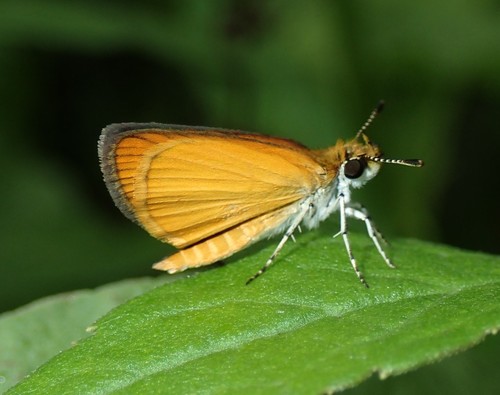
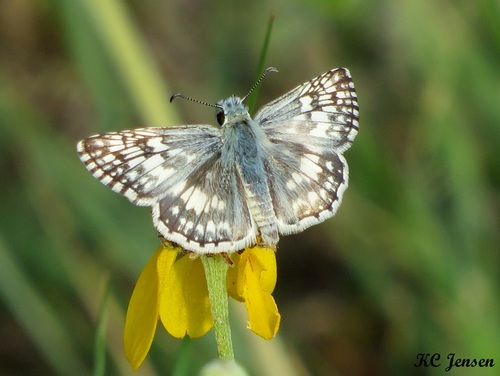
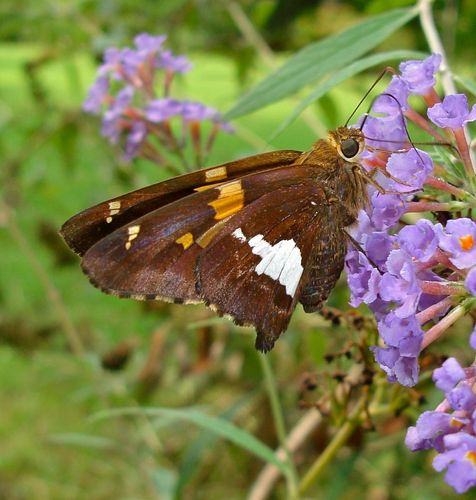
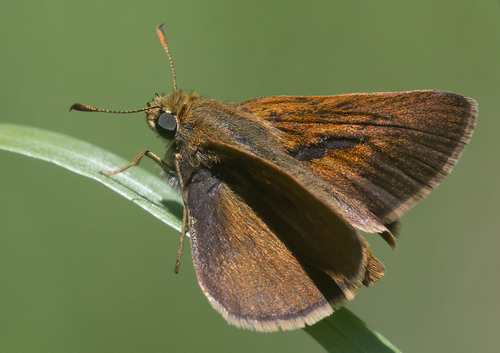
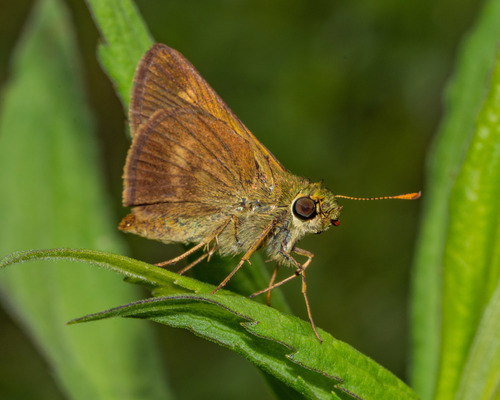
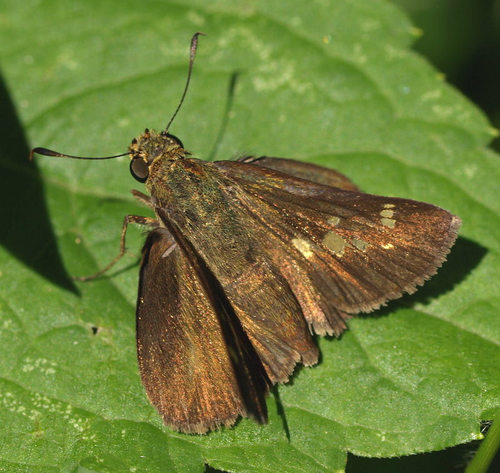
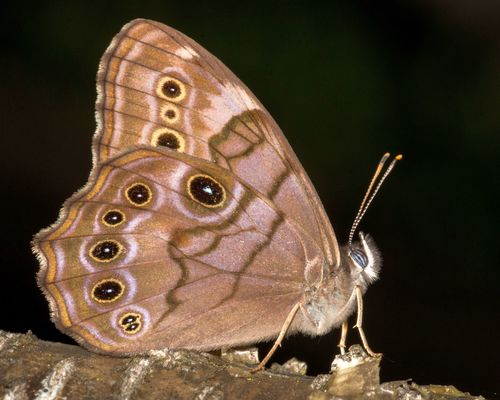
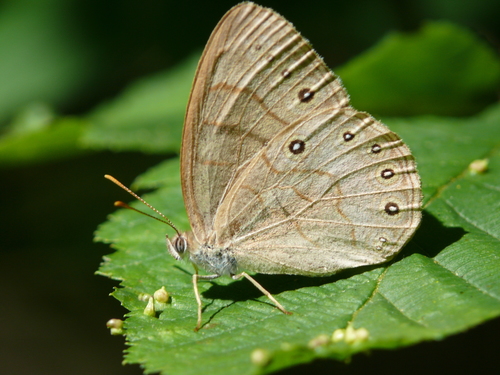
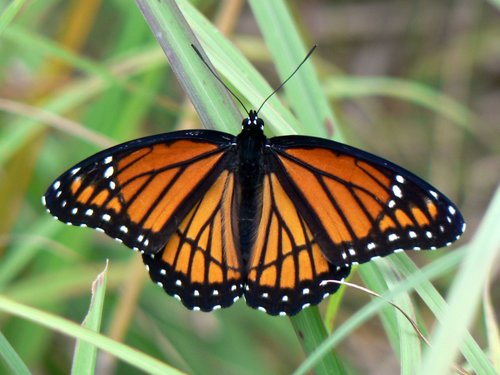
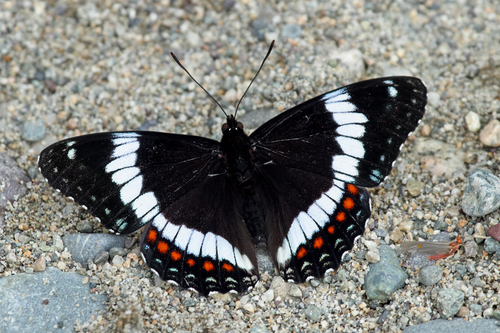
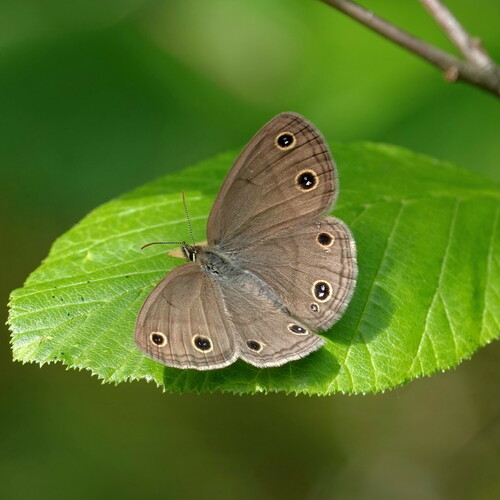
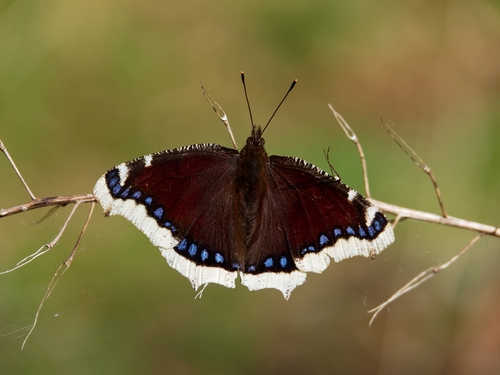
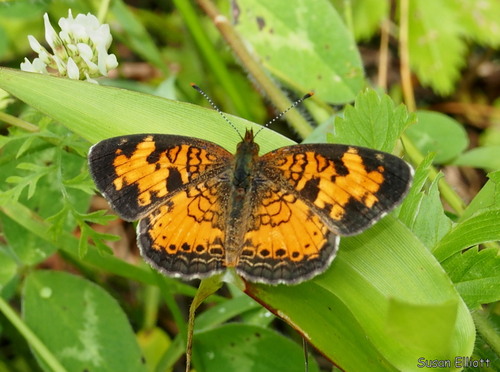
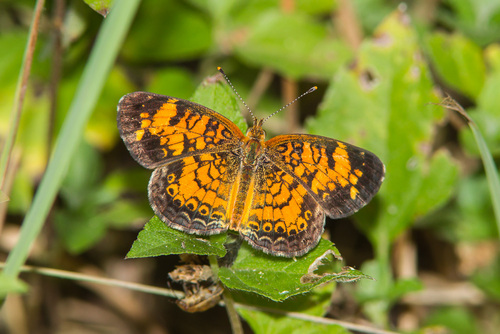
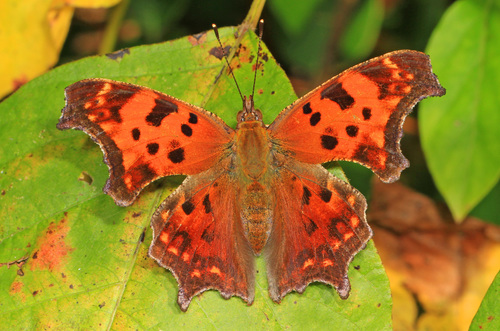
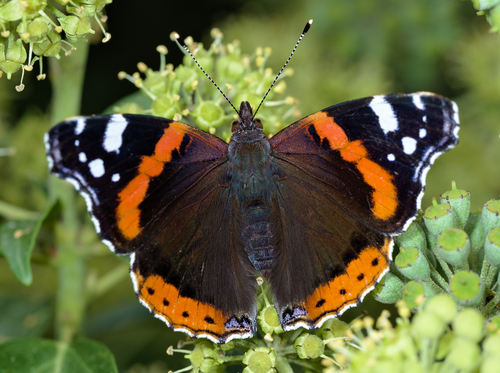
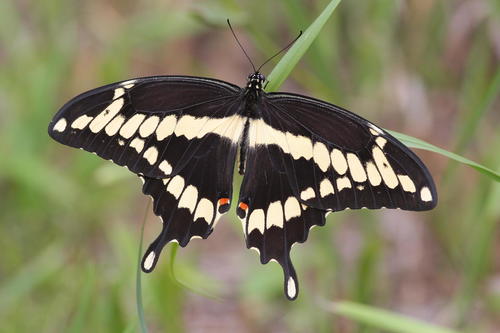
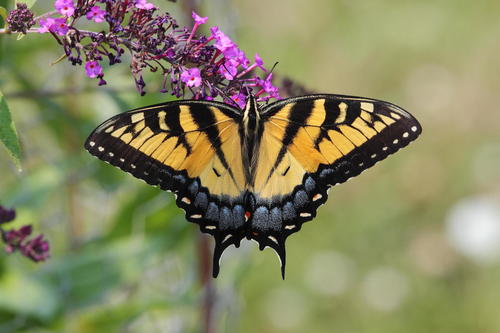
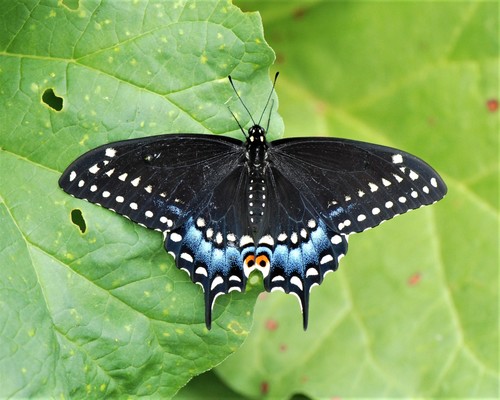
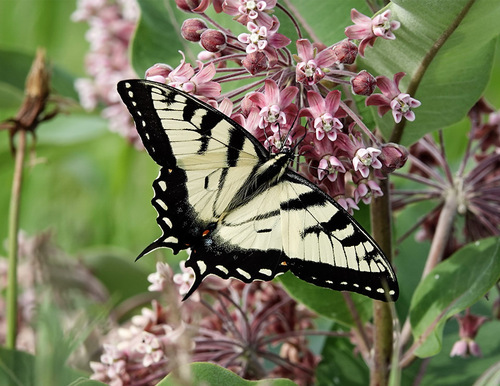
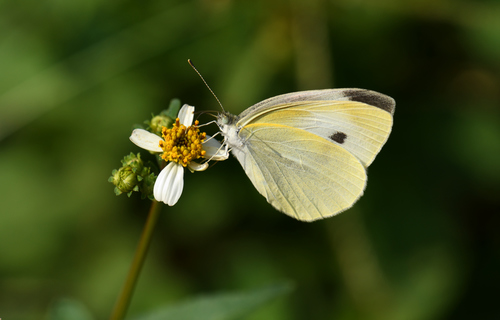
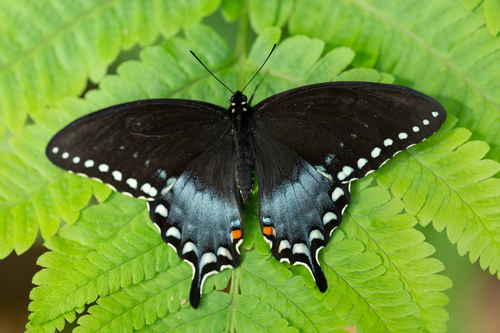
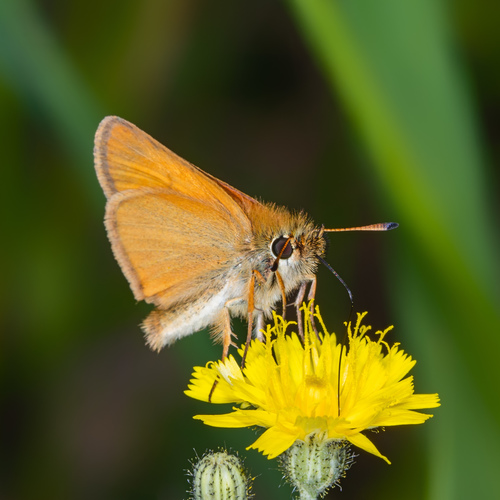
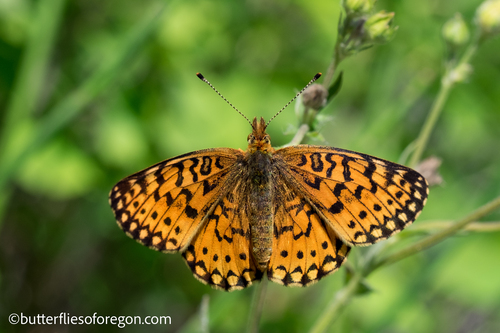
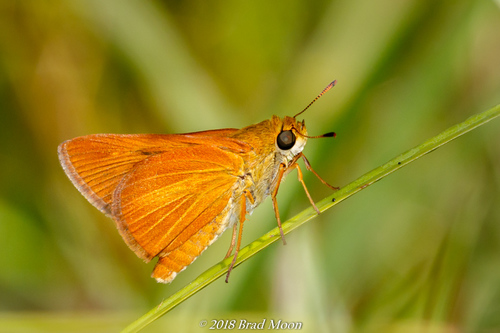
The butterfly list is still effort-limited. 29 species beside 882 moths says more about day-versus-night survey effort than habitat. Mourning Cloak and Red-spotted Admiral joined the list on August 9, followed by Least Skipper on August 11 and Black Swallowtail on August 13. The swallowtail record makes flowering parsley-family plants worth checking for eggs and larvae, but an adult alone doesn't establish host use here. Together the additions reward two complementary methods: fruit bait and shaded woodland-edge watches for admirals and anglewings, plus slow sunny passes through wet, grassy openings for small skippers. Photograph both wing surfaces and repeat the same route through late summer.
Yet to Find
Butterfly Gap List
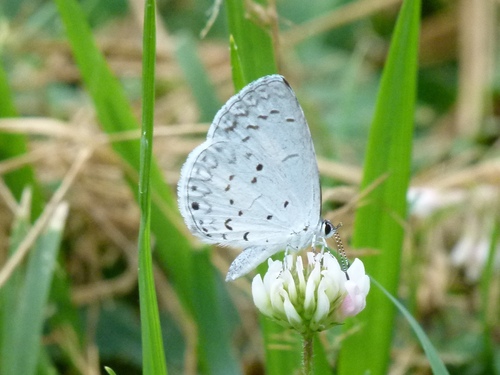
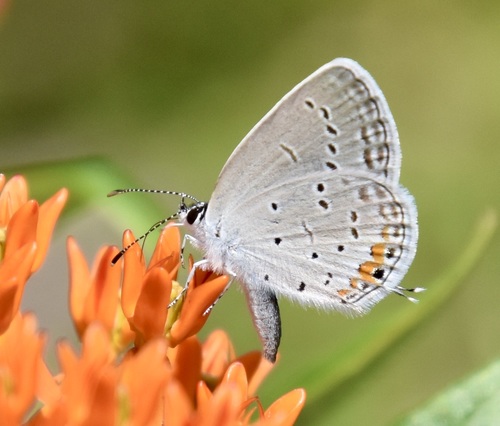
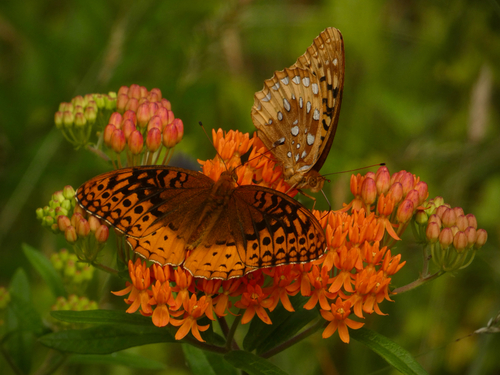
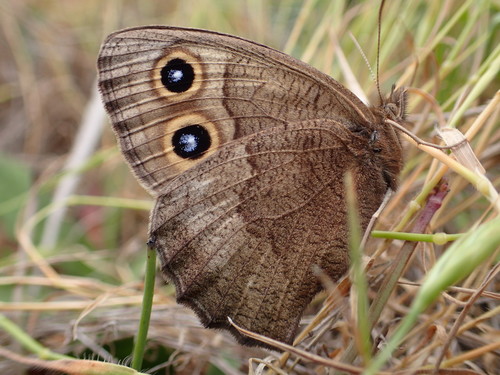
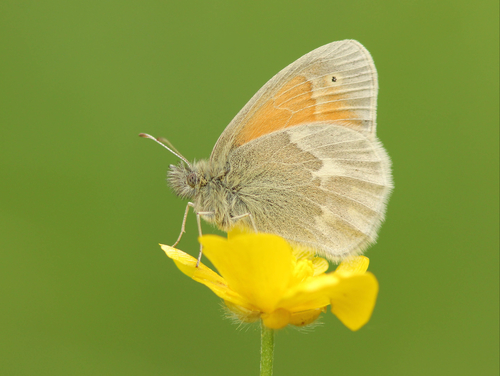
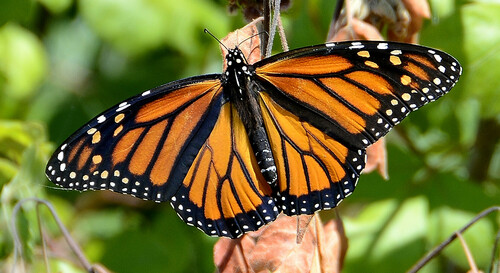
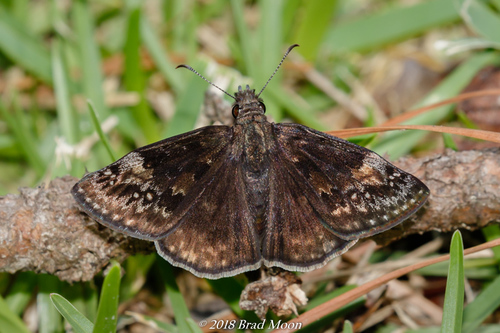
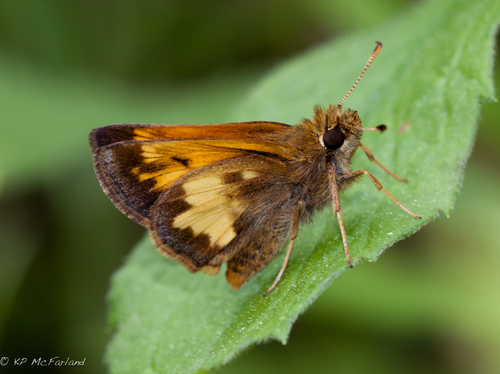
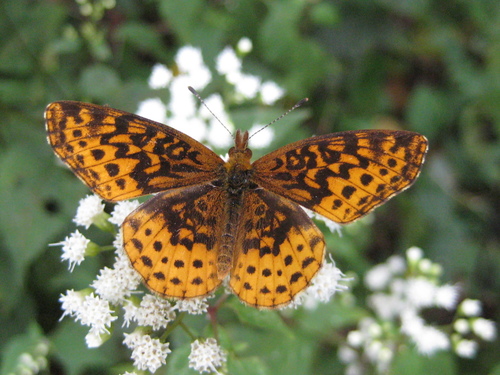
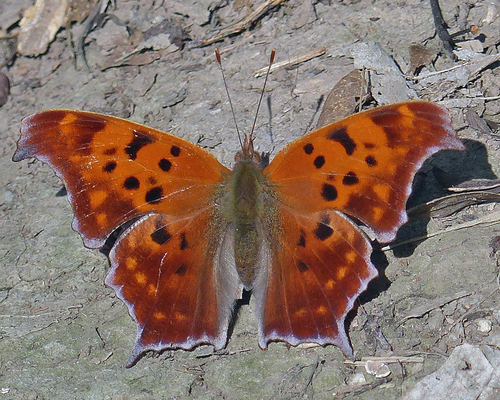
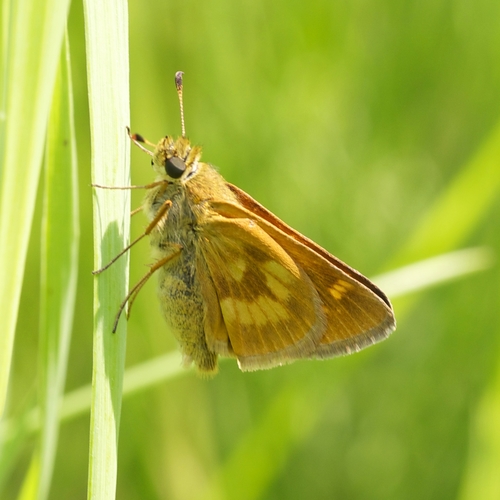
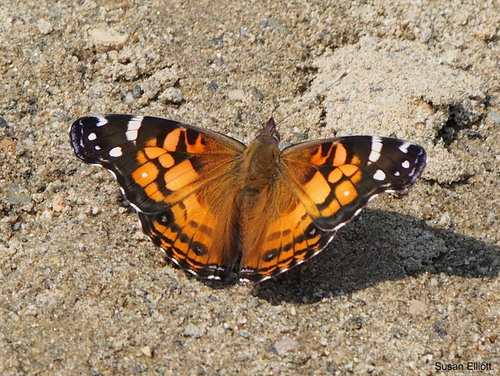
The regional pool is a target list, not a promise. Prioritize species whose season, habitat, and survey method fit the property: wet-edge skippers, oak-hickory hairstreaks, early-spring woodland adults, and conspicuous brushfoots. Regional frequency raises survey priority; it does not establish that a species occurs here.
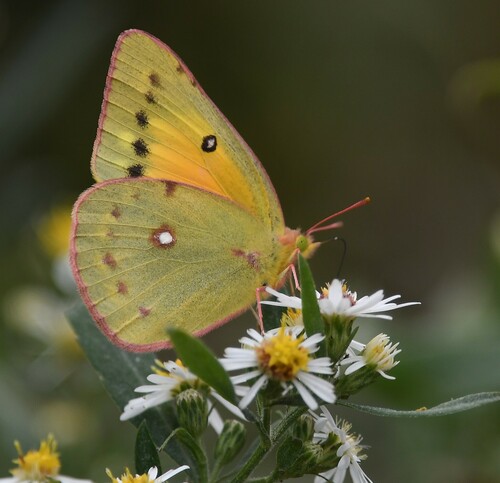
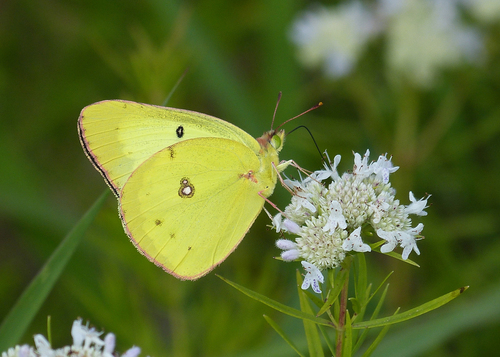
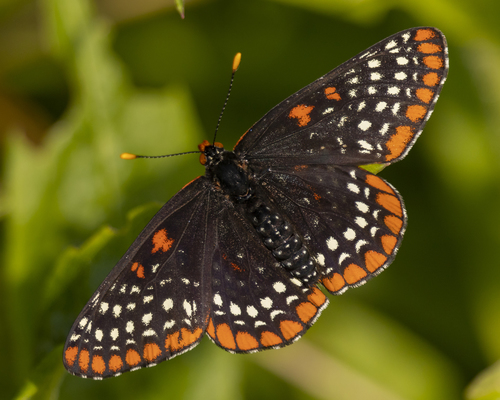
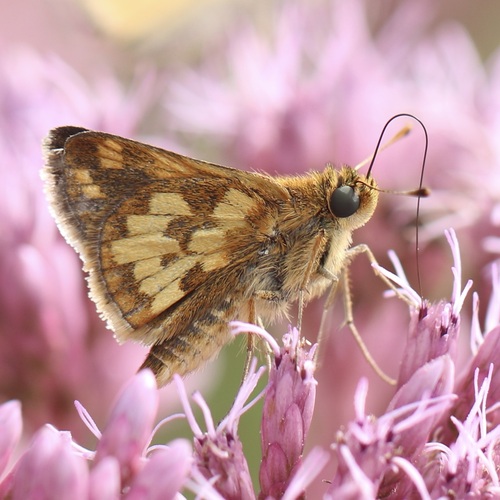
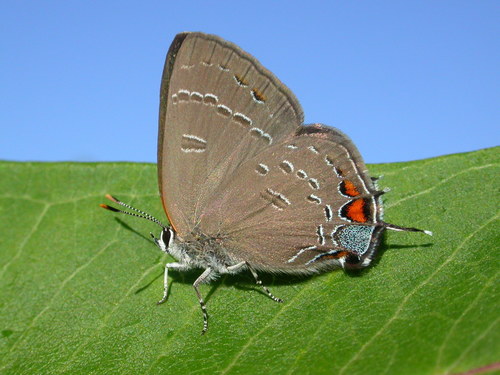
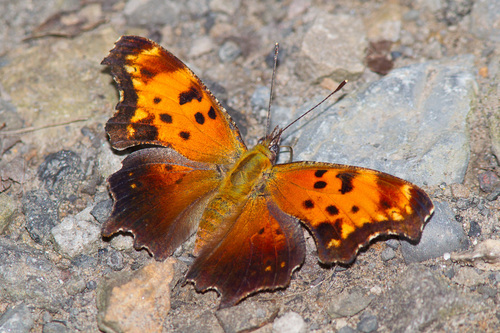
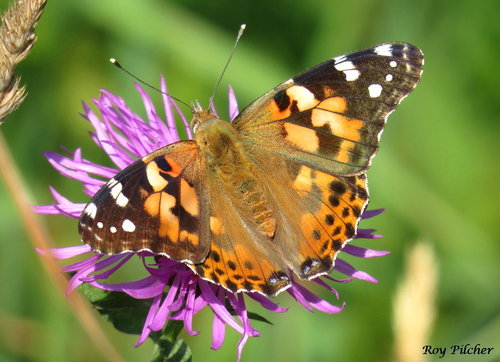
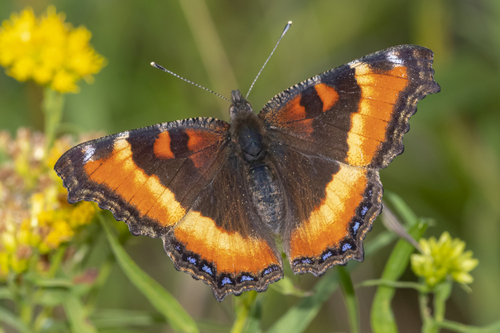
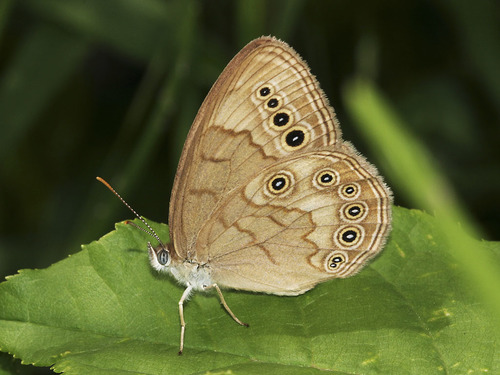
29 of 114 butterfly species recorded within ~50 miles have turned up here. The 30 species below are documented in the surrounding region but not yet here — ranked by how common they are nearby.

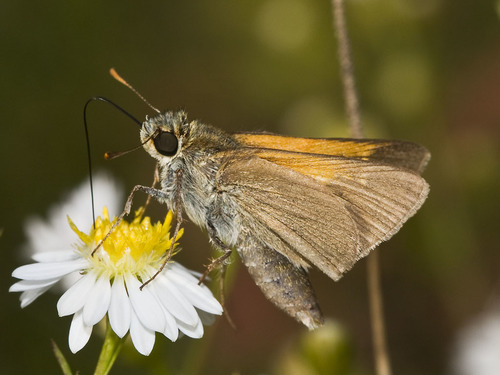
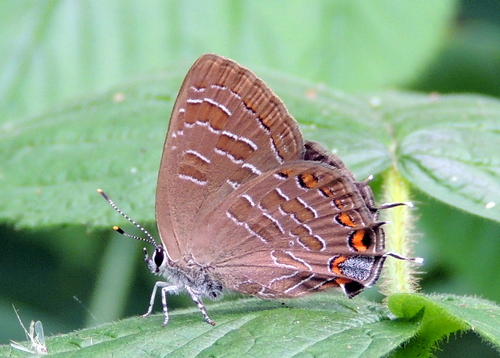
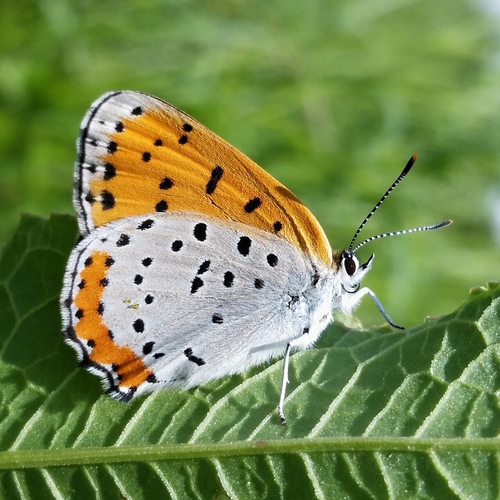
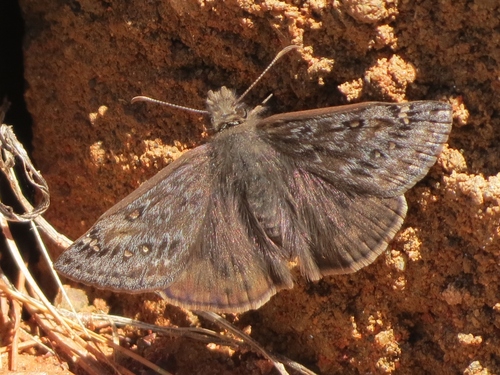
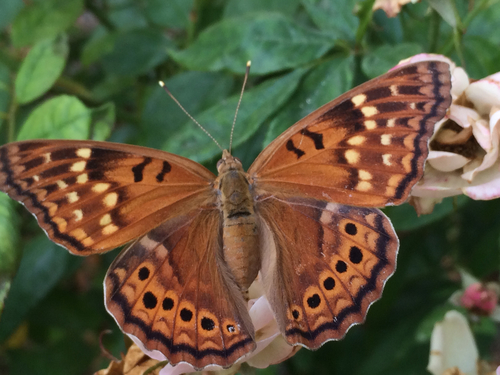
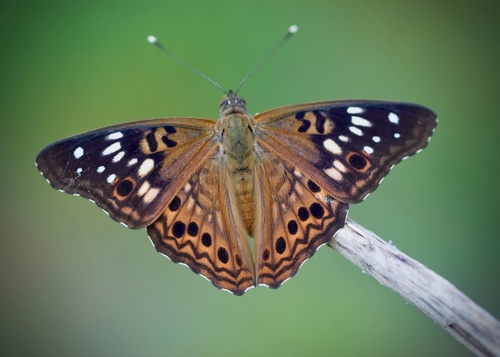
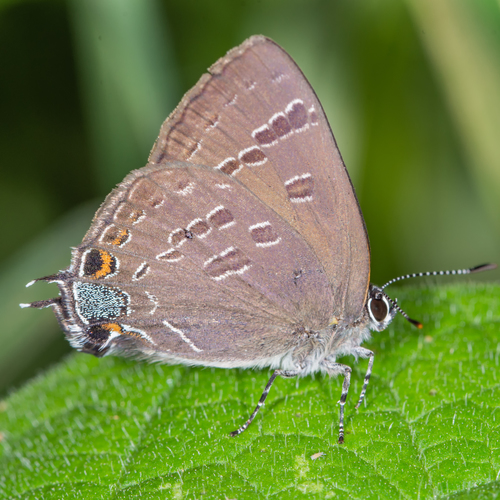
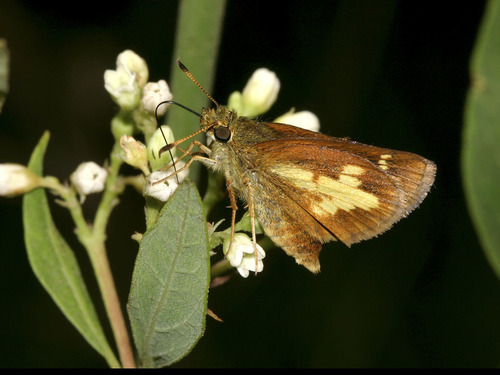
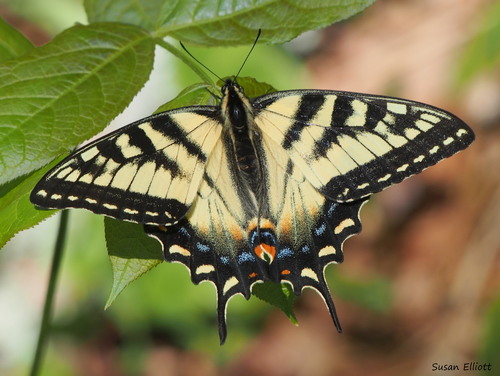
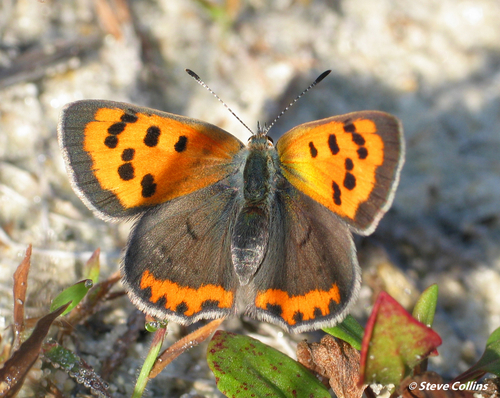
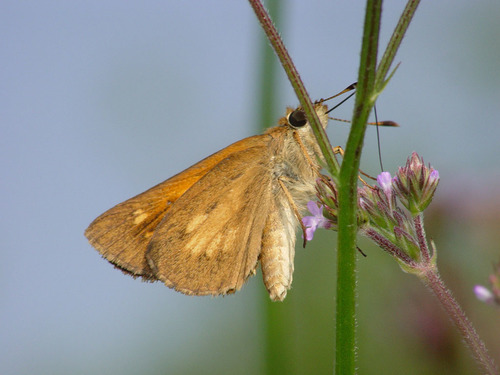
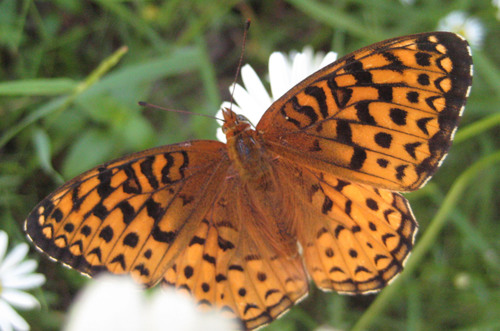
Find More
How to Find More
With 29 species confirmed, the daytime inventory is still early. Repeated sunny transects, dorsal and ventral photographs, fruit bait, puddling checks, and host-plant searches across spring, midsummer, and fall offer the best route to broader coverage.
Transect netting
A fixed walk along the sunlit upland edge and the mowed floodplain openings, hitting nectar patches (milkweed, dogbane, joe-pye, asters) and damp creek-bank mud.
Warm sunny days late April–September, 10 AM–3 PM, above 65°F with little wind; weekly visits to catch successive flights.
Most of the missing 40+ resident butterflies — whites and sulphurs, fritillaries and admirals, and the grass-skippers no one has netted.
Creek mud-puddling
Wet gravel bars, seep margins, and damp sandy mud along Michigan Creek and at spring seeps where minerals concentrate.
Hot sunny mid-summer afternoons, 75–90°F, low wind, especially the day after rain when fresh mud is exposed.
Puddling swallowtails, sulphurs, and the blues and hairstreaks (Celastrina, Satyrium, Cupido) drawn to mineral seeps.
Host-plant larval search
Known larval hosts on site: violets on the mesic slope, Salix and Populus on the floodplain, spicebush and Prunus along edges, grasses and sedges in openings.
May–August daytime; search leaf damage, rolled leaves, and frass, and rear larvae to adult.
Breeding residents missed by adult counts — fritillaries, viceroy and admirals, spicebush swallowtail, and cryptic satyrs.
Fermented-fruit traps
Van Someren-Rydon hanging traps baited with fermented banana, 3–5 m up at the mesic slope forest edge and along shaded floodplain woodland.
Mid-June through September; set in the morning and check daily, best on warm humid stretches.
Sap- and fruit-feeding woodland Nymphalidae that ignore flowers: hackberry and tawny emperors, mourning cloak and anglewings.
Early-spring edge watch
South-facing upland edge and sun-warmed forest openings where overwintered adults and first broods bask.
The first warm sunny days of March–April, above 55°F, late morning — the season the record barely covers.
Overwintering and early fliers: mourning cloak, commas and question mark, spring azure, and the elfins.
Dusk skipper survey
Grassy and sedge-dominated floodplain openings and the damp creek-edge meadow.
June–July, late afternoon into early evening when grass-skippers perch low; sunny, calm conditions.
Cryptic skippers (Poanes, Polites, Wallengrenia, Euphyes) tied to the floodplain graminoids.