On the Wing
Dragonflies & Damselflies
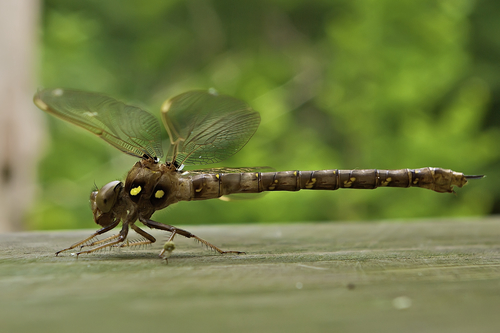
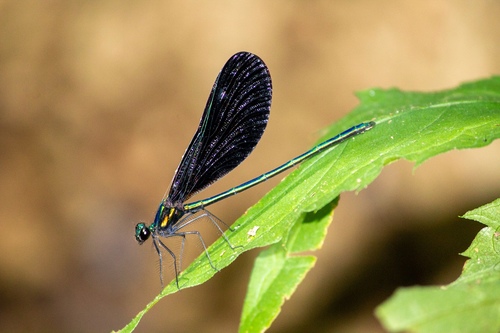
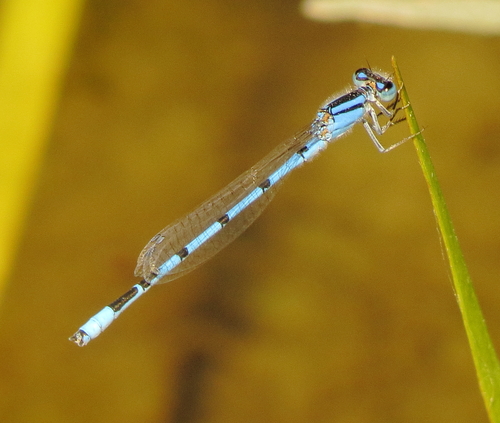
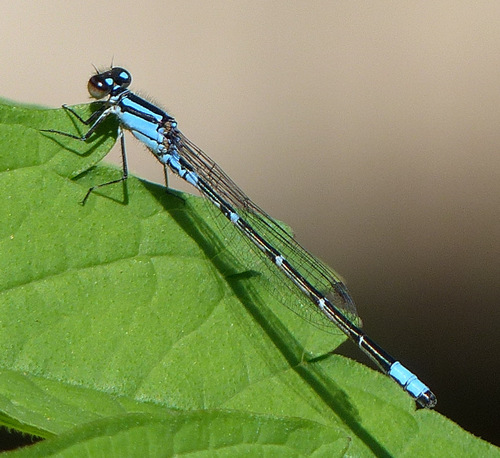
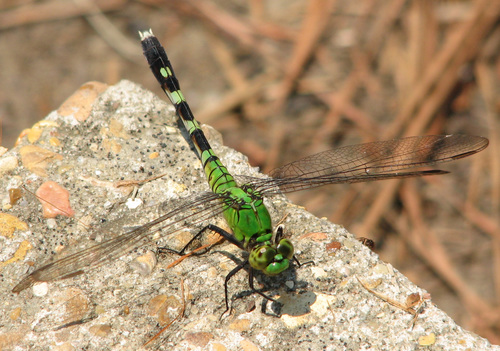
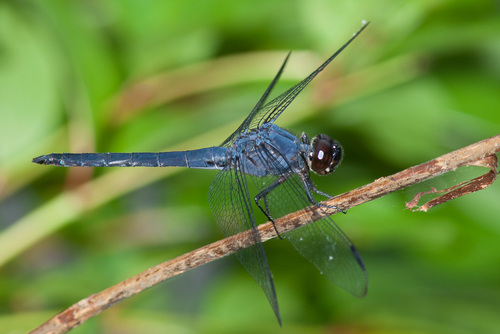
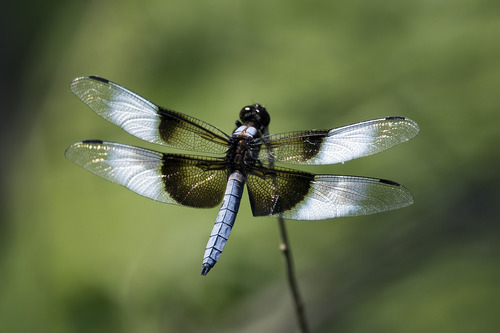
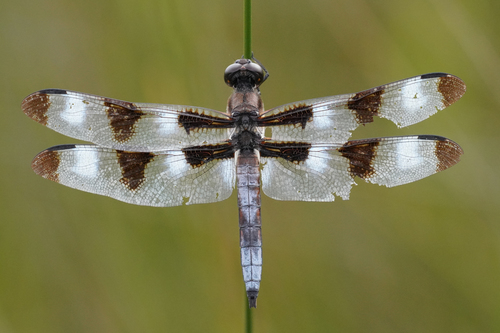
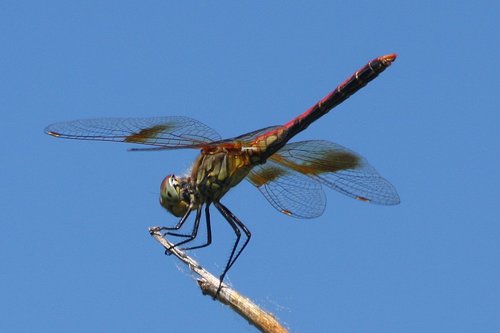
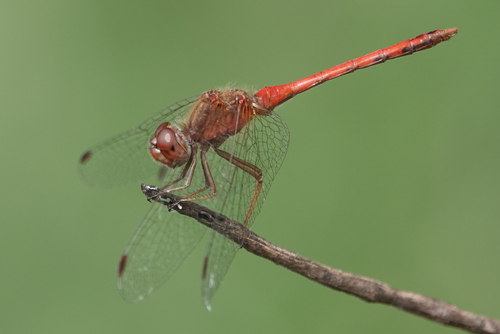
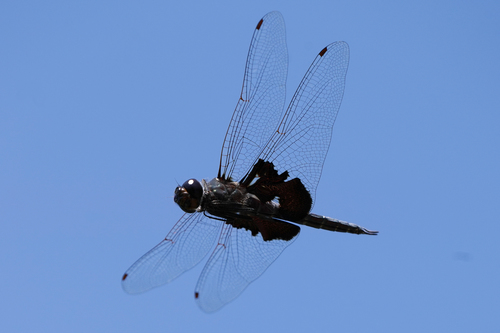
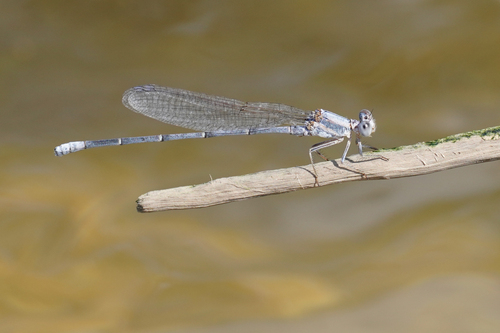
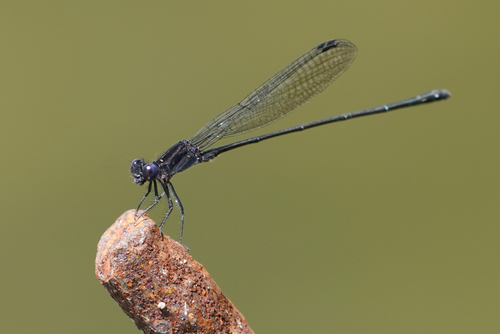
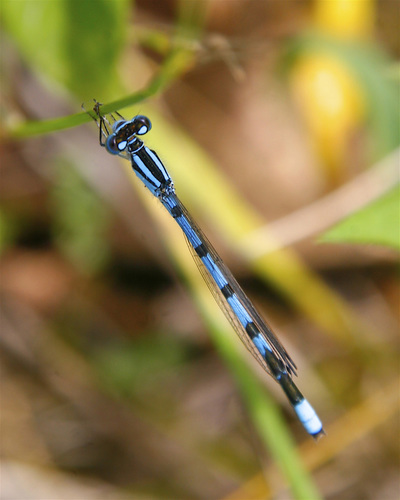
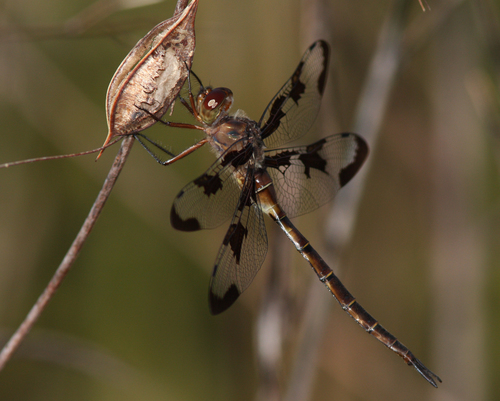
28 species already divide the property into distinct waters. Three August 21-23 records sharpen the next checks: provisional Fawn Darner and Familiar Bluet identifications would fit shaded moving water and quieter pond margins, while research-grade Black Saddlebags may still be a migrant or brief visitor. Adult occurrence does not show local emergence. Ebony Jewelwing follows the creek; spreadwings, bluets, forktails, and Aurora Damsel work quieter water; skimmers patrol sunny edges; darners and meadowhawks carry the season into fall. Repeated daytime circuits should add species quickly, while exuviae, tenerals, mating pairs, and oviposition will show which waters are actually producing them.

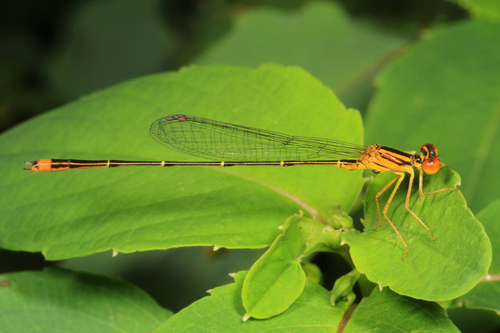
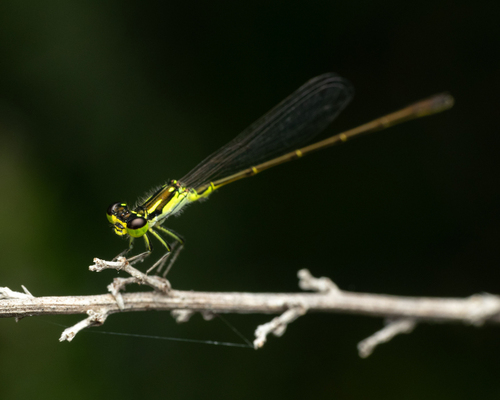
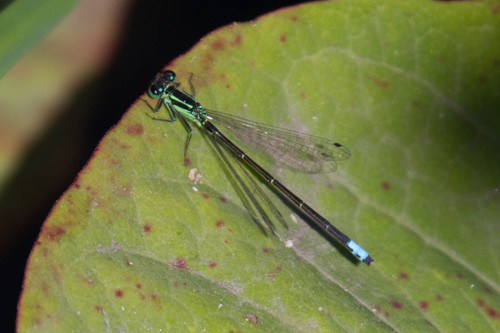
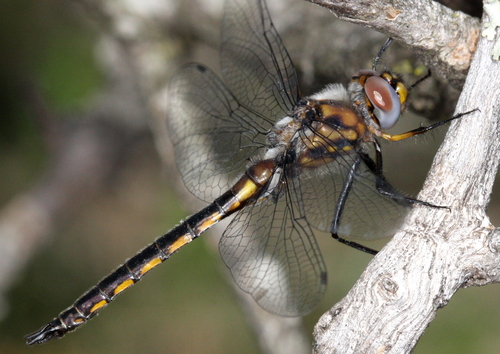
Yet to Find
Odonata Gap List
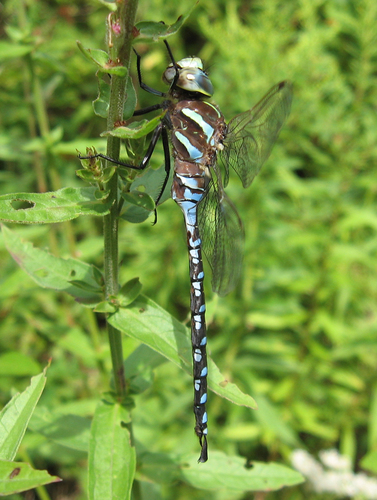
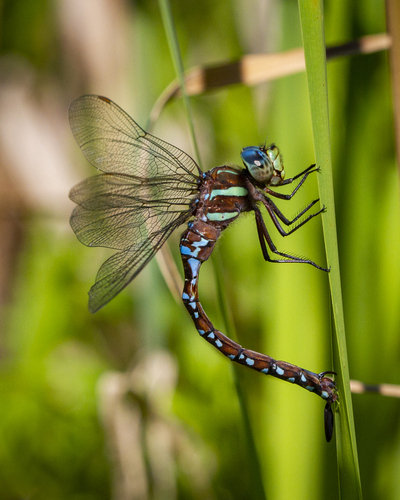
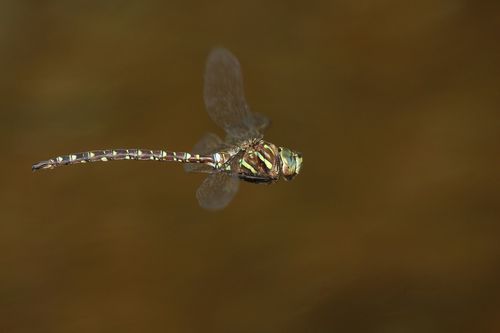
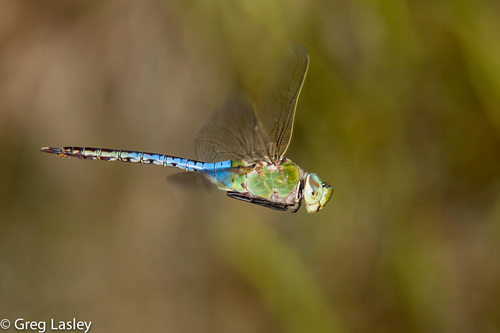
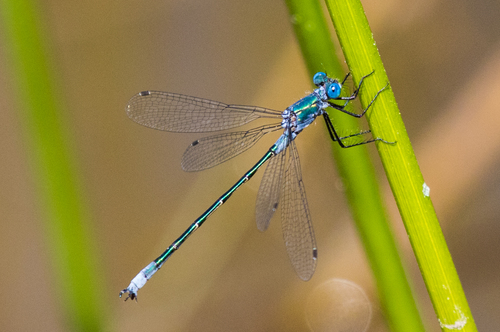
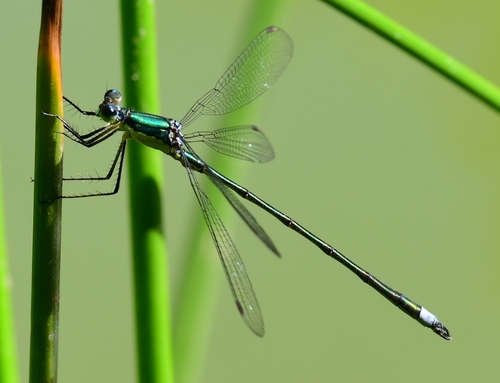
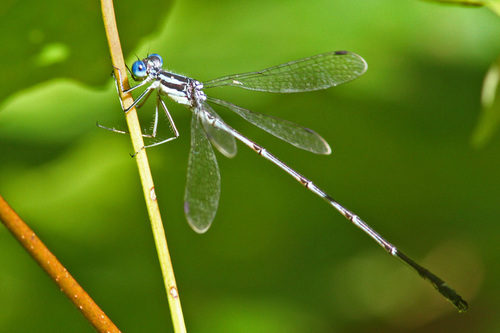
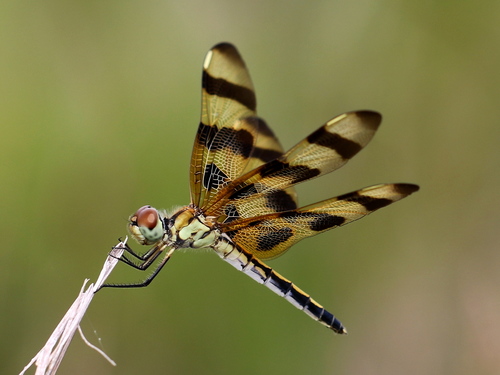
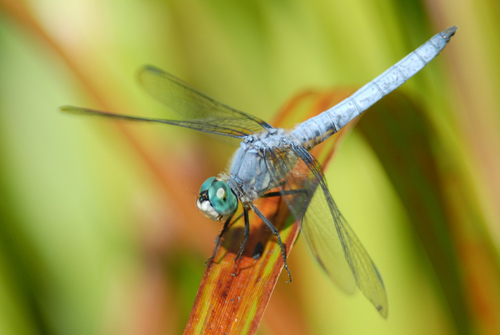
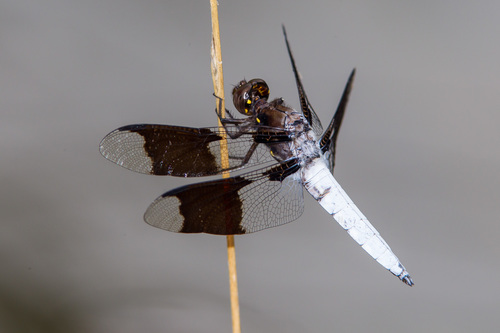
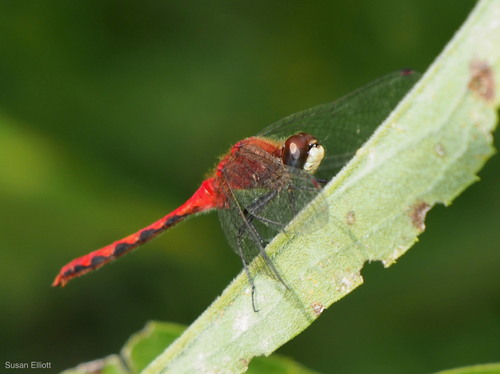
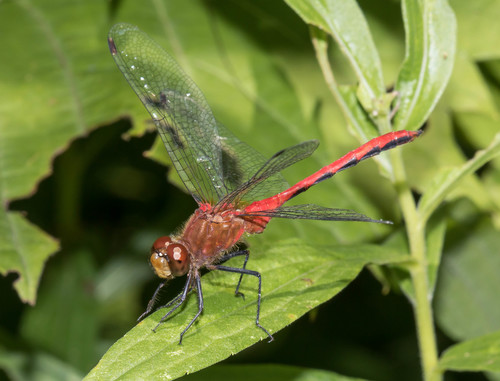
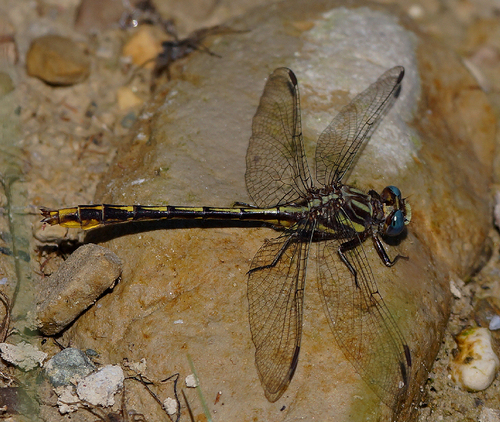
The regional list is a starting point, not a promise. Prioritize species tied to small ponds, shaded streams, seep-fed margins, and wet meadow rather than large lakes or broad rivers. Early clubtails and baskettails, summer bluets and skimmers, and late darners each need their own survey window.
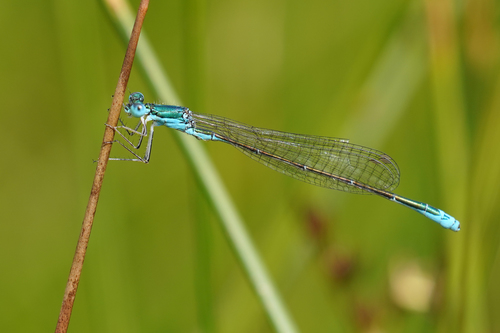
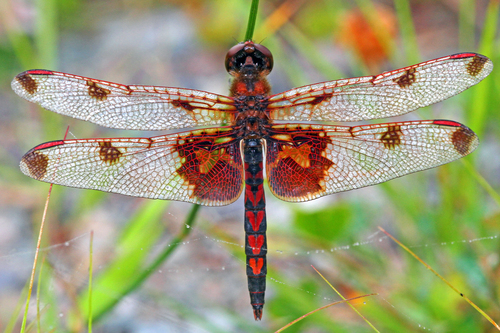
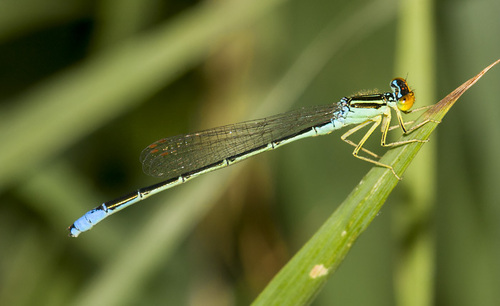
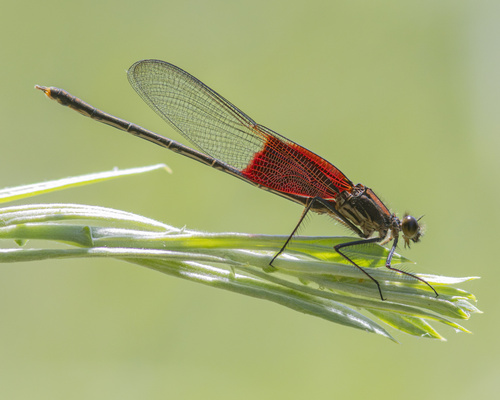
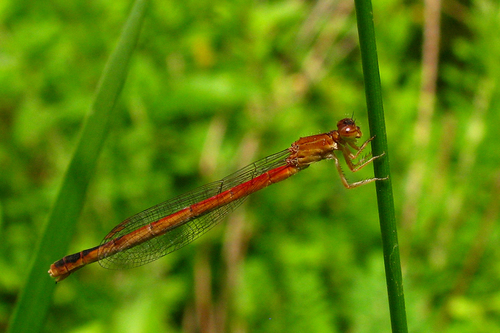
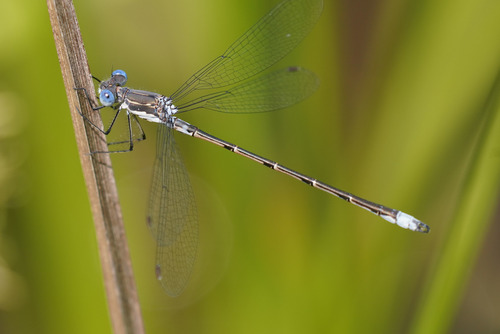
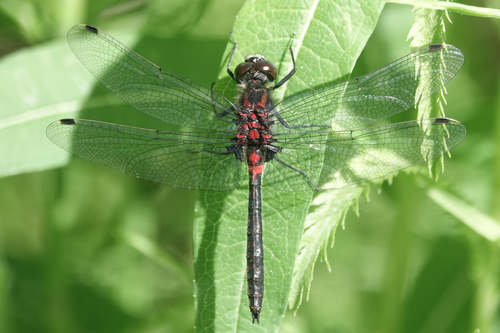
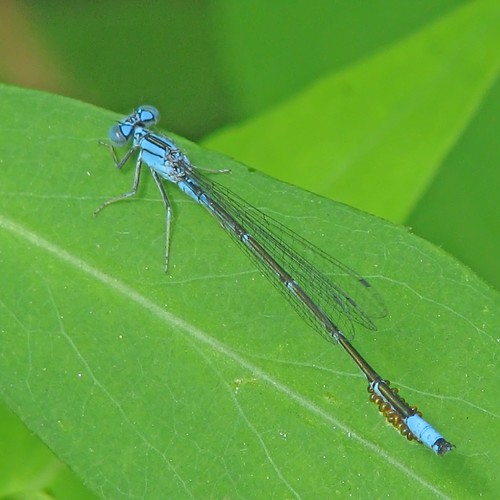
28 of 129 dragonfly and damselfly species recorded within ~50 miles have turned up here. The 30 species below are the most frequently documented nearby. Pond, creek, seep, and wet-meadow associations still decide which ones are realistic targets on these 30 acres.
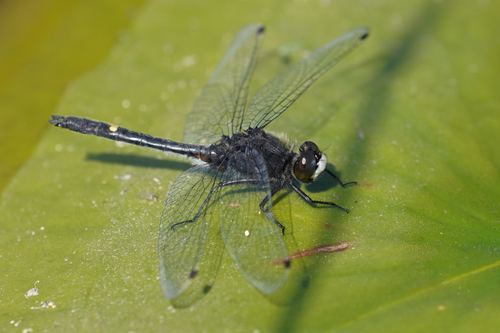
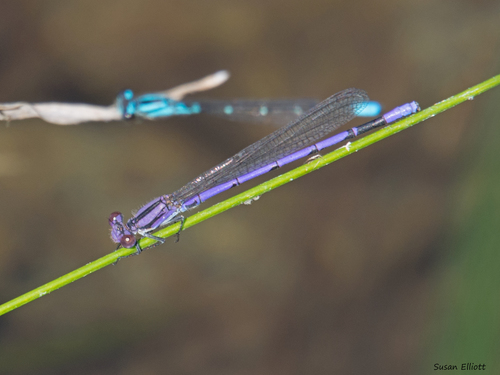
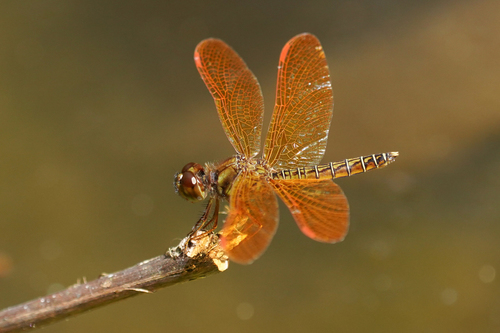
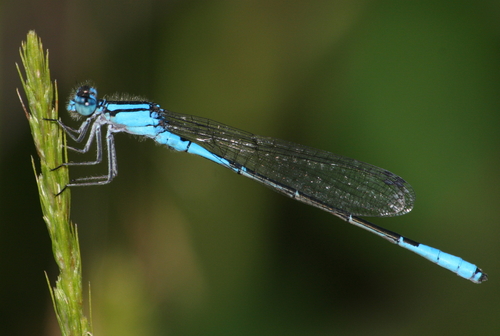
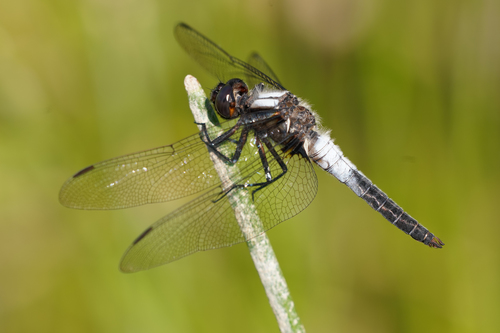
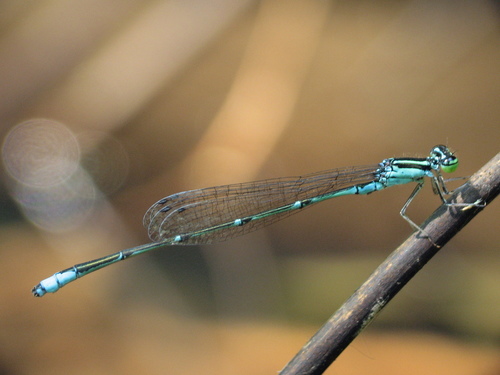
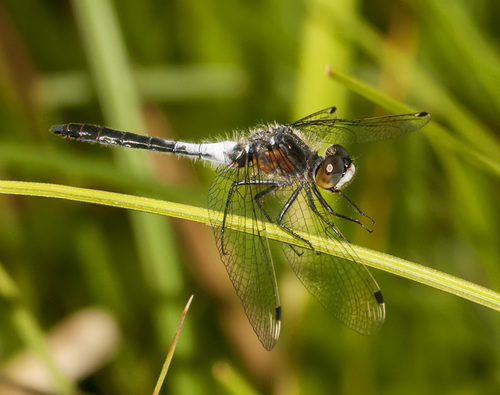
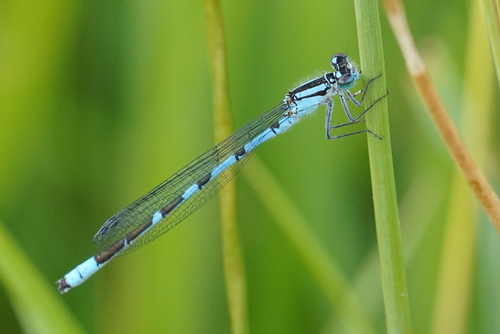



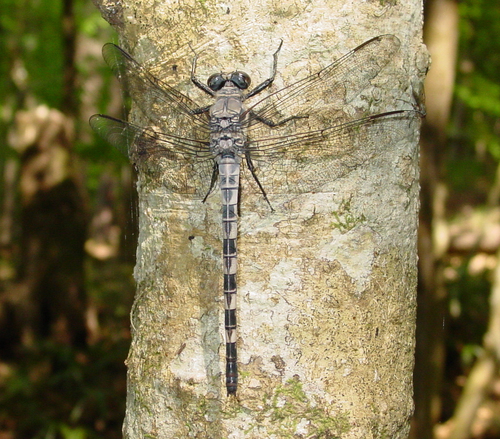
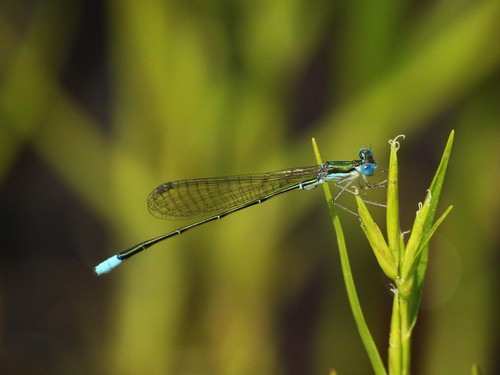
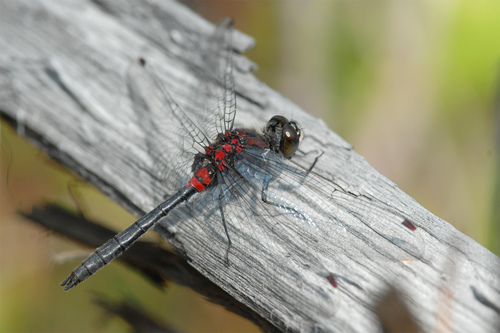
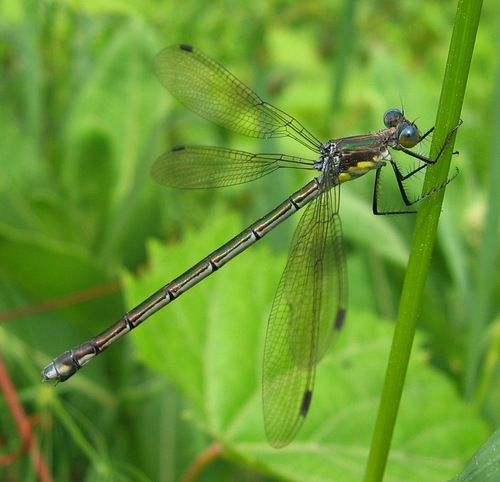
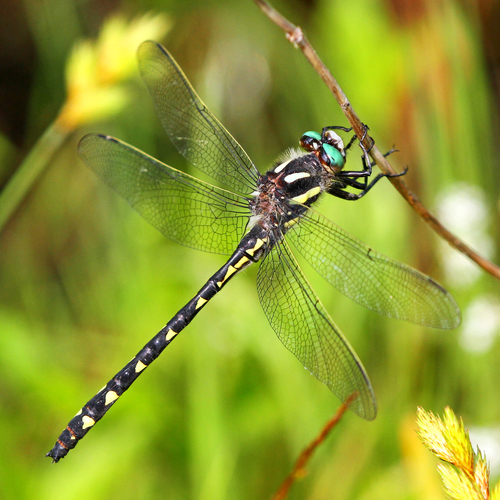
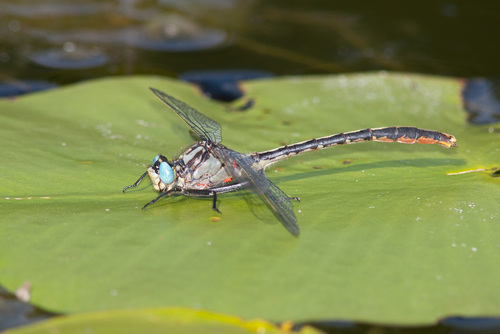
Find More
How to Find More
Adults show who visits; exuviae, tenerals, mating pairs, and oviposition show who is breeding. Repeat the same pond and creek routes across the whole flight season, and photograph the face, thorax, wings, abdomen, and terminal appendages whenever identification is close.
Fixed pond circuit
Walk the full pond margin slowly, including open sunny bank, emergent vegetation, shaded corners, and the wet meadow transition. Pause at recurring perches rather than continually flushing adults.
Sunny, low-wind days from late May through September, 10 AM–4 PM; repeat every 7–10 days so short flight periods are not missed.
Bluets, forktails, spreadwings, pondhawks, skimmers, meadowhawks, and small perchers that disappear between widely spaced visits.
Michigan Creek transect
Survey sunny riffles, shaded glides, gravel bars, seep entries, and quiet backwaters along the creek; approach from downstream and watch repeated patrol routes.
Late May through August on bright calm days, with separate morning and afternoon passes as light reaches different sections of the channel.
Jewelwings, dancers, stream bluets, clubtails, spiketails, and cruising darners associated with moving water rather than the pond.
Exuviae and emergence search
Inspect emergent stems, sedges, shrubs, bridge abutments, exposed roots, and vertical banks at the pond and creek edge, especially just above the waterline.
Dawn through mid-morning after warm nights from May through July; revisit after synchronized emergence weather.
Direct breeding evidence and species that are hard to catch as adults. Photograph each exuvia in place, then dorsal, side, underside, mask, and terminal views with scale.
Early-season patrol watch
Warm pond margins, creek openings, and south-facing woodland edges where newly emerged adults feed before returning to water.
Mid-May through mid-June, late morning to mid-afternoon, especially the first sunny days after a cool or rainy stretch.
Baskettails, early clubtails, spring darners, and first-flight damselflies that are already gone by the survey's stronger midsummer coverage.
Late-season meadowhawk and darner pass
Pond edge, wet meadow, shrub openings, and sheltered sunny forest edge; scan high patrols with binoculars and low perches at knee height.
Late August through October on warm afternoons, including mild days after the first cool nights.
Meadowhawks, mosaic darners, spreadwings, and migratory darners that peak after many summer insects have declined.
Net, photograph, and release
Use a light aerial net only where close approach fails, especially over meadow paths and along low pond-margin perches. Keep individuals shaded and handle wings minimally.
Calm bright conditions when diagnostic colors are visible; process one individual at a time and release it where captured.
Close identifications among bluets, spreadwings, meadowhawks, and female or immature individuals. Photograph face, thoracic stripes, wing bases, abdomen pattern, and terminal appendages.