Green World
The Plants
266 wild or established plant species on 30 acres. The confirmed flora spans oak-hickory upland, northern-hardwood and hemlock slope, creek and pond margins, and old-field edge. Together these plants provide canopy, understory, fruit, nectar, bank structure, and larval hosts; southern-edge woody plants remain habitat-filtered search targets rather than presumed residents.
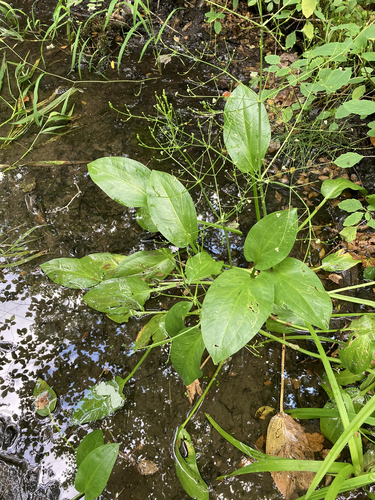
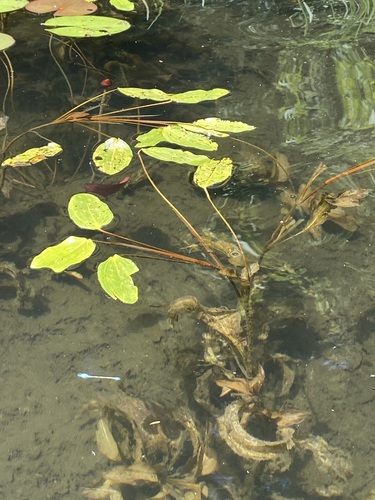
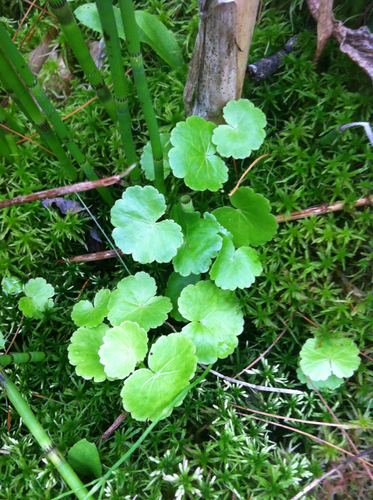
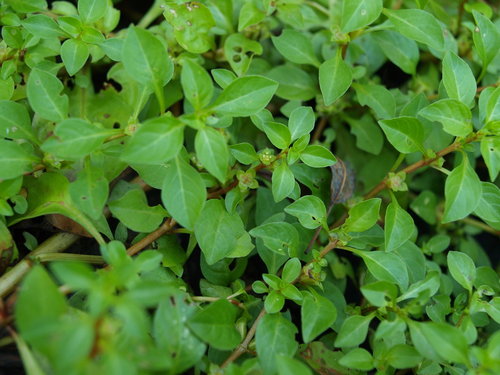
A provisional American Water-pennywort identification adds a moisture-loving groundcover to the wet-margin search on August 22; a confirmed repeat would establish occurrence, not abundance or biological rarity. The latest moth records also make known white and northern red oaks, American beech, and broad-leaved pondweed especially useful places to look for host-linked sign. Sedges, willows, aquatics, late composites, ferns and allies, and bryophytes still need identification-ready passes. Salix remains at one species and Carex at two. Those are survey gaps, not ecological absences.
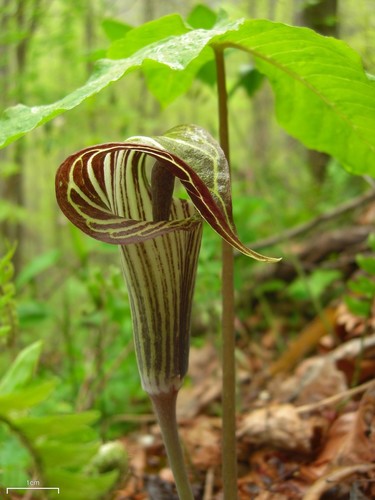
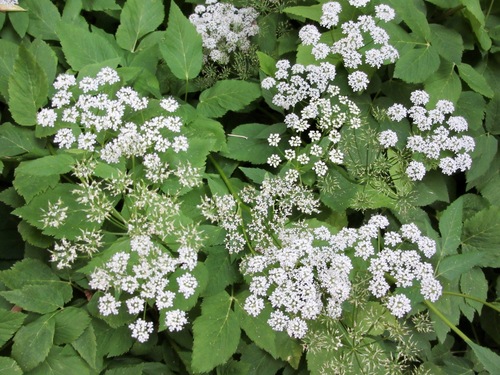
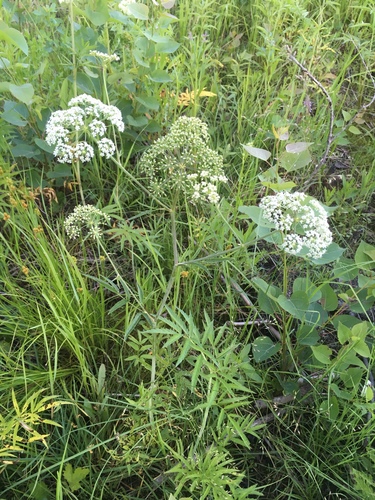
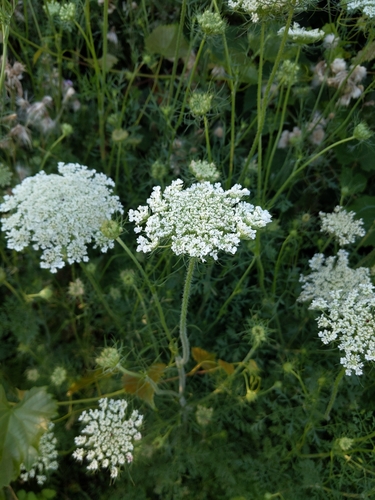
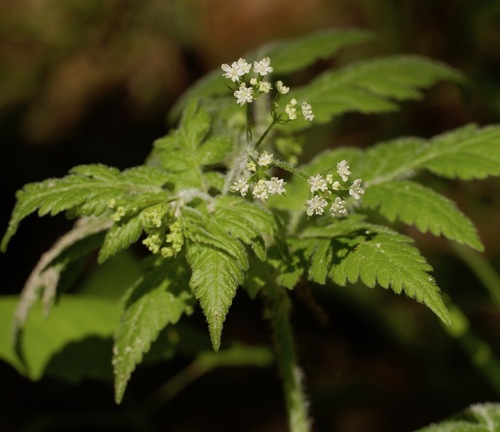
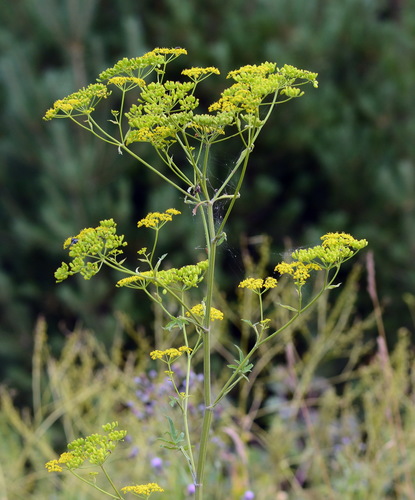
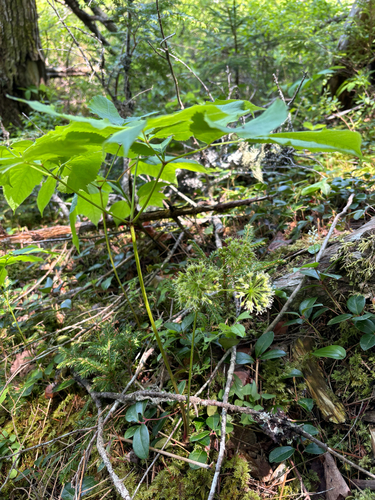
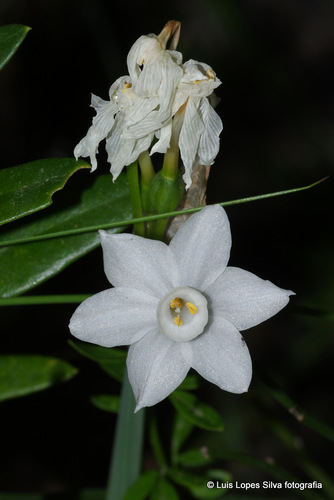
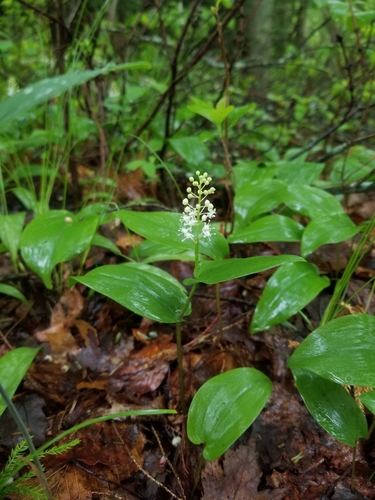
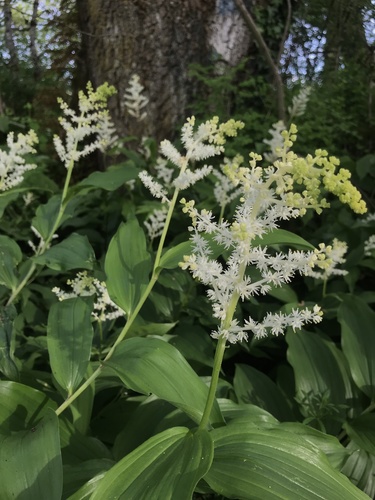
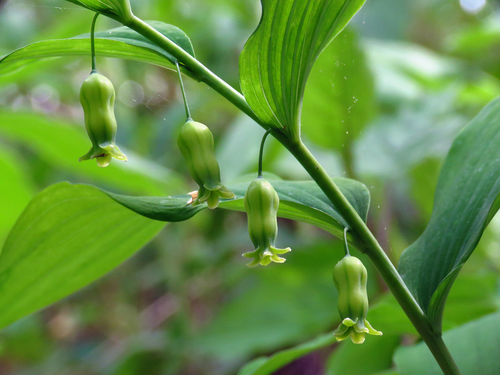
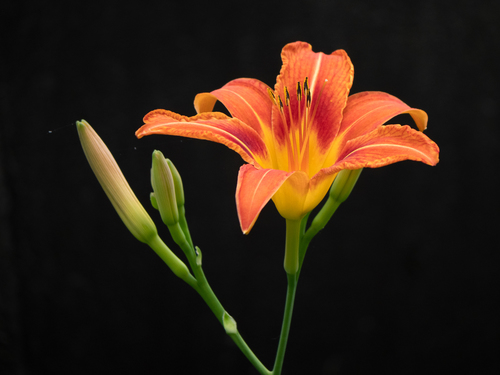
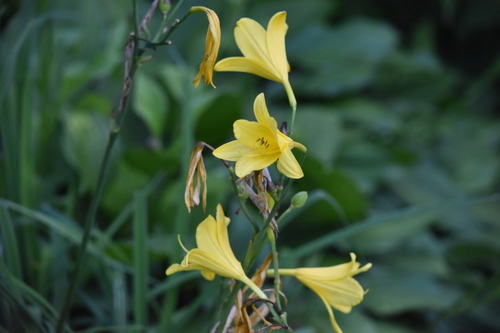
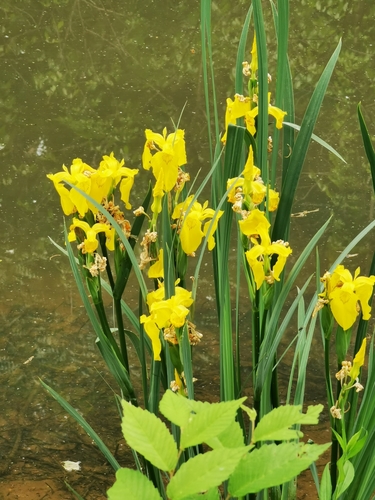
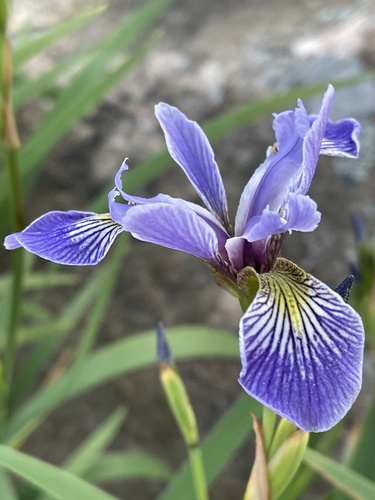
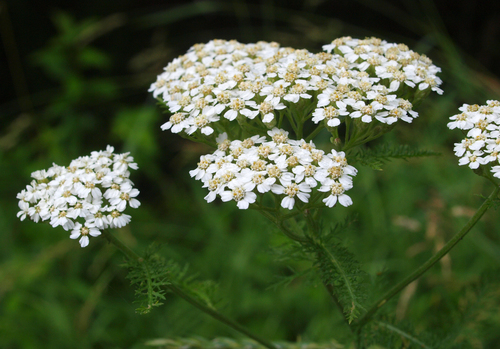
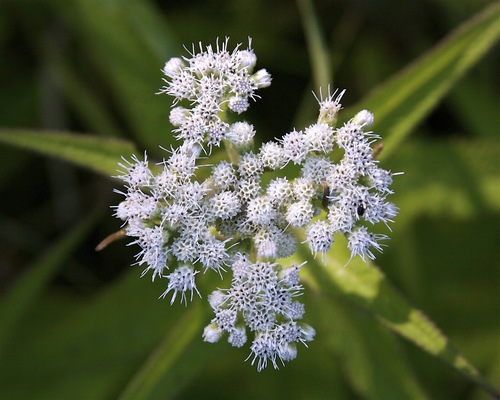
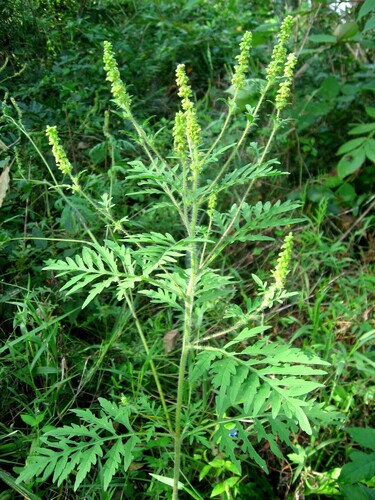
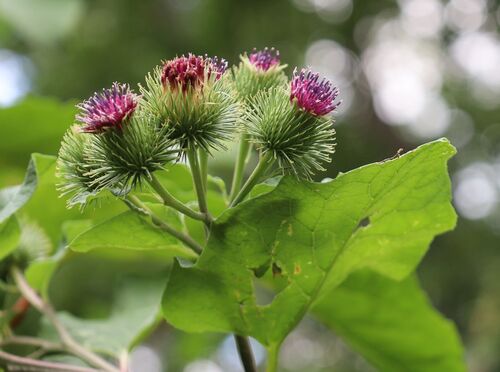
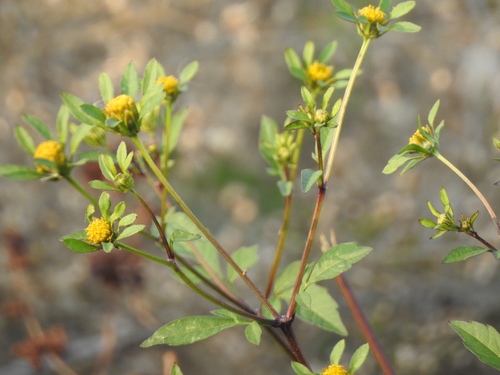
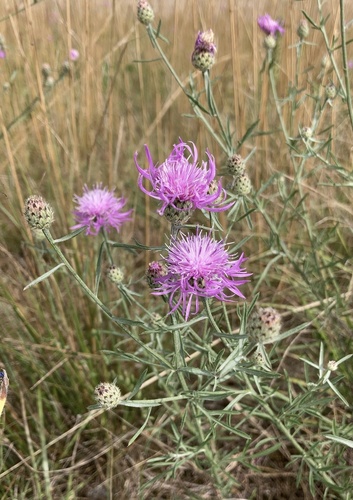
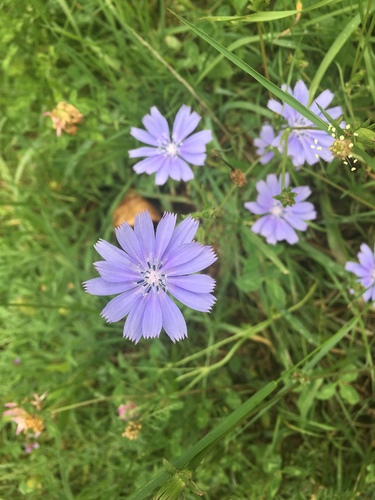
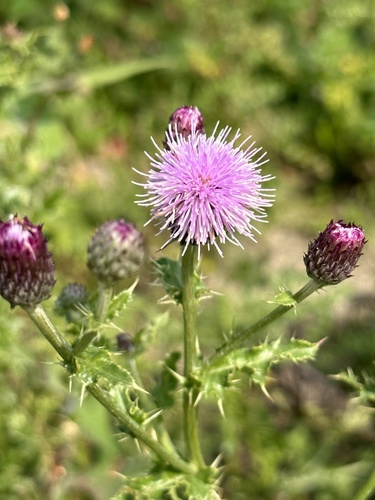
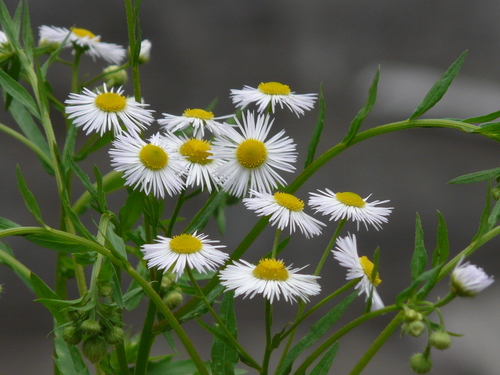
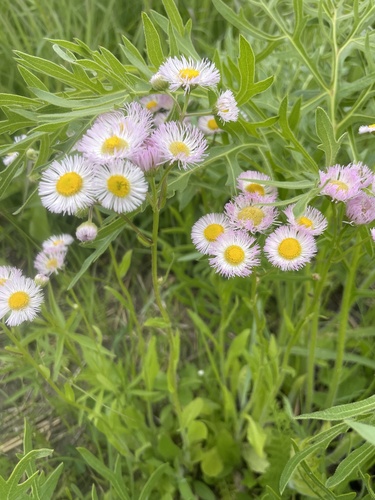
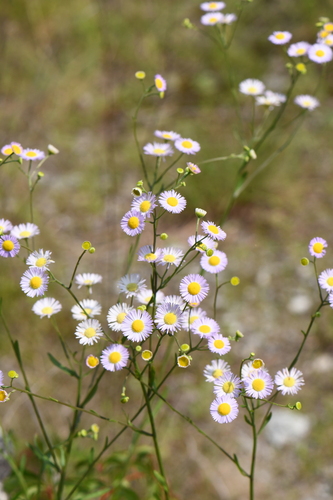
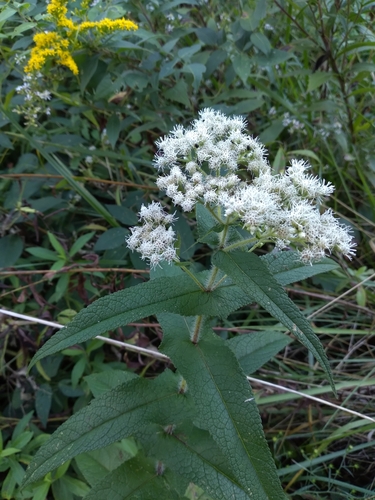
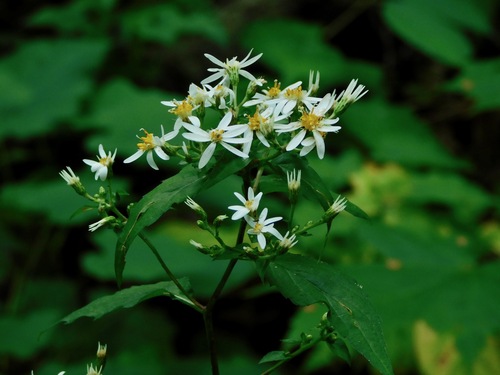
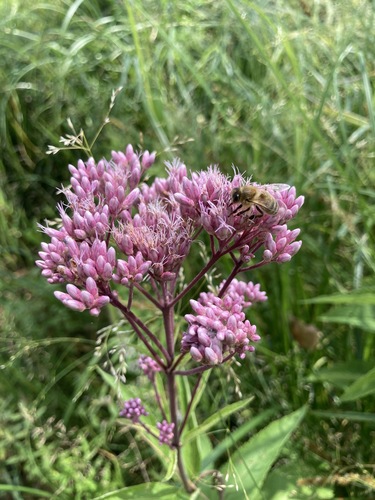
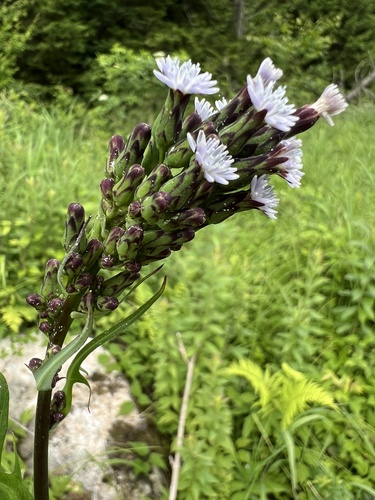
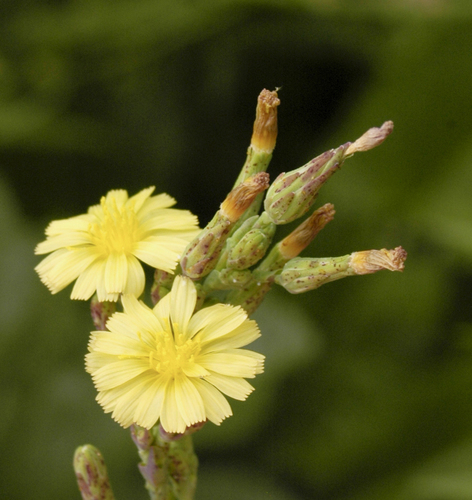
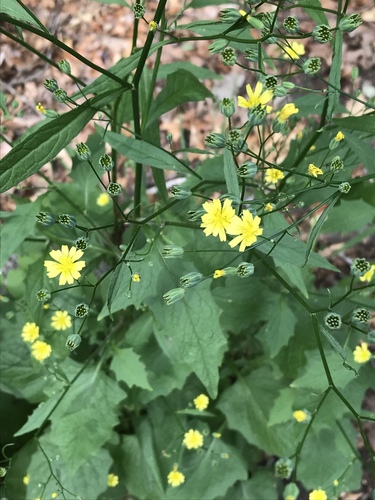
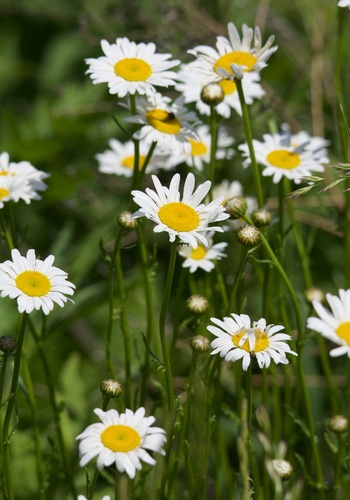
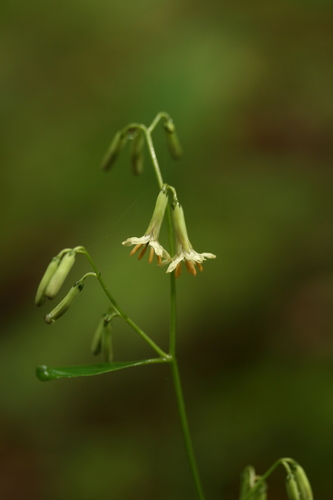
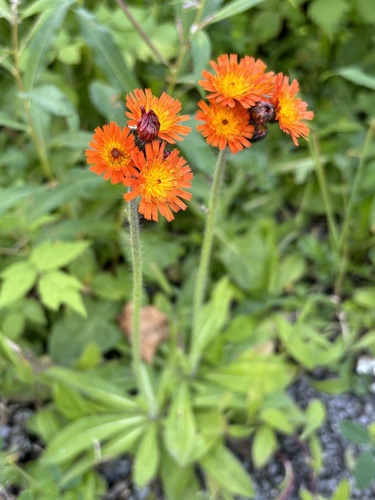
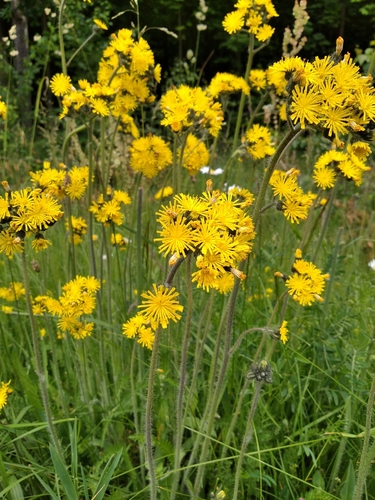
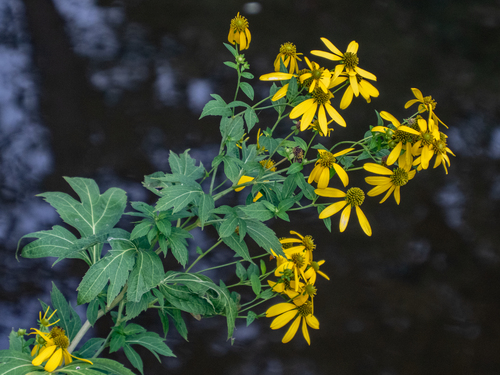
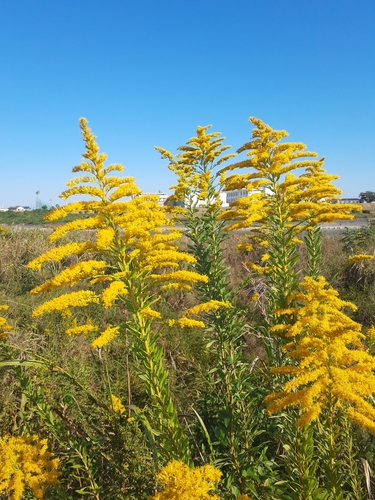
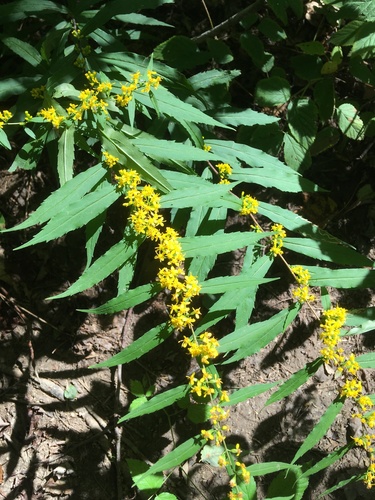
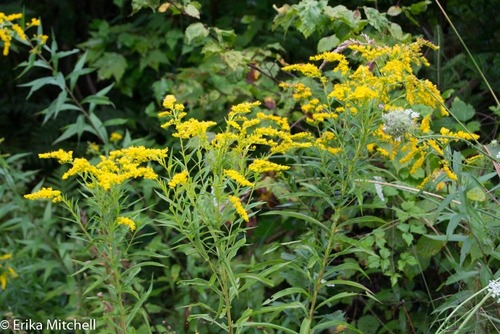
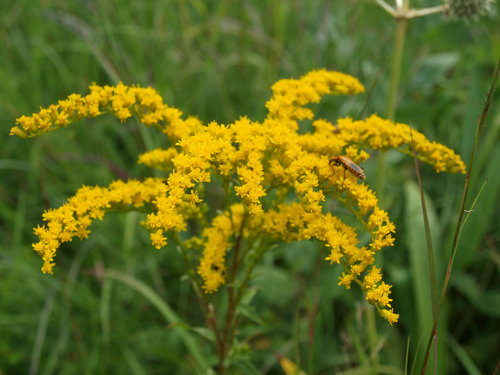
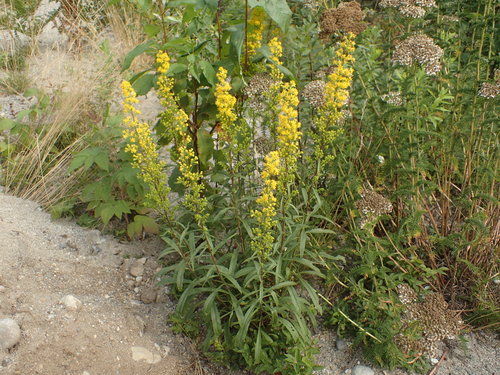
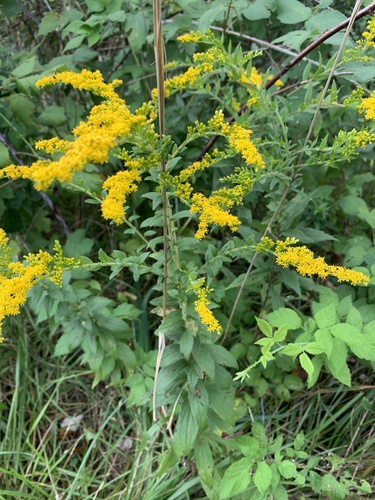
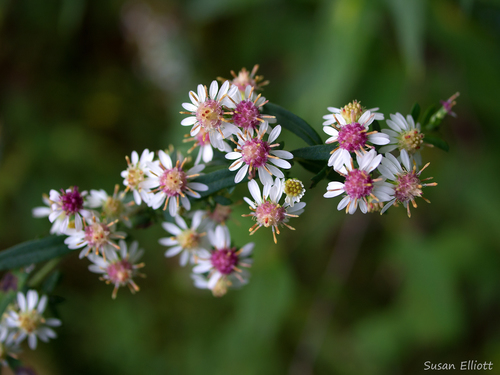
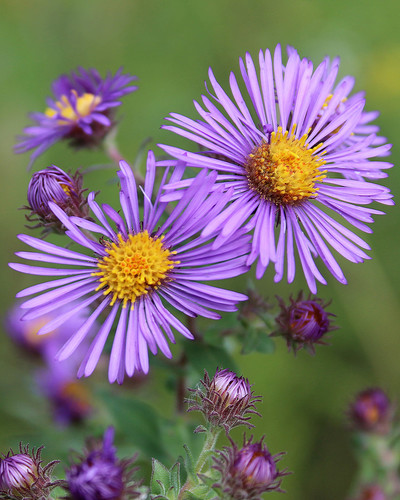
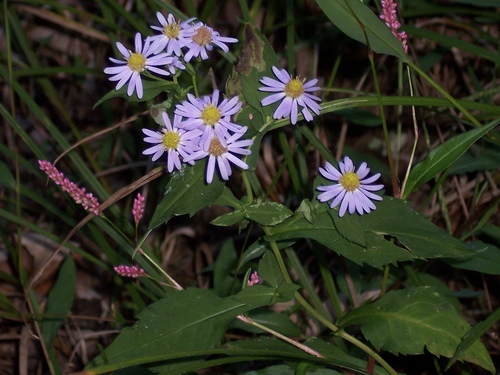
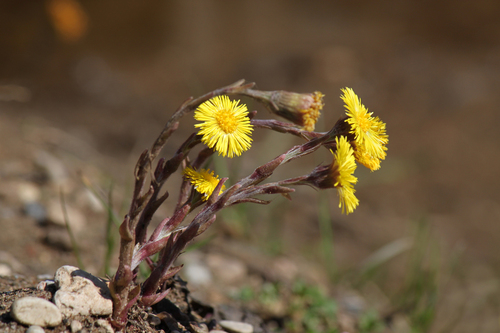
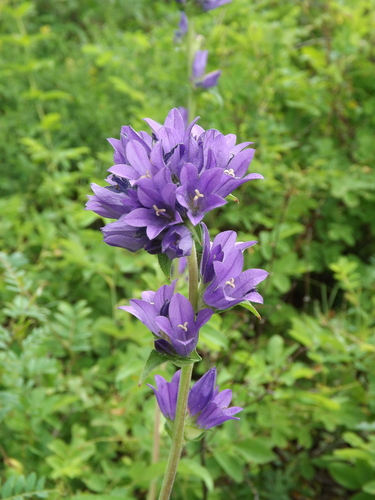
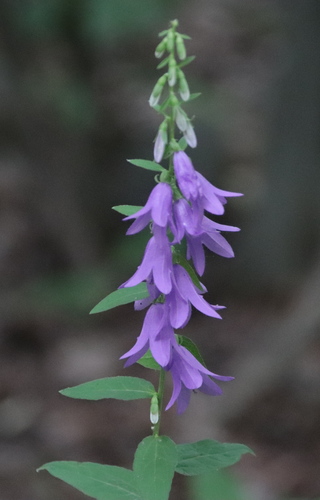
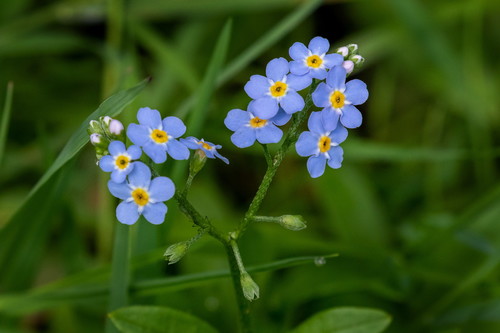
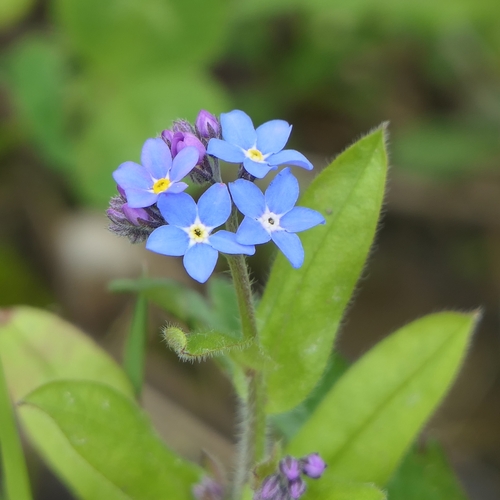
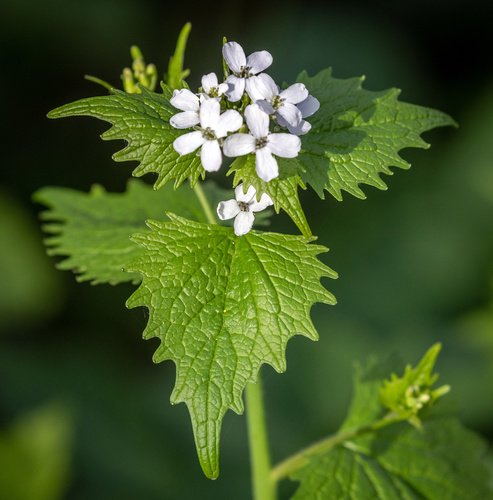
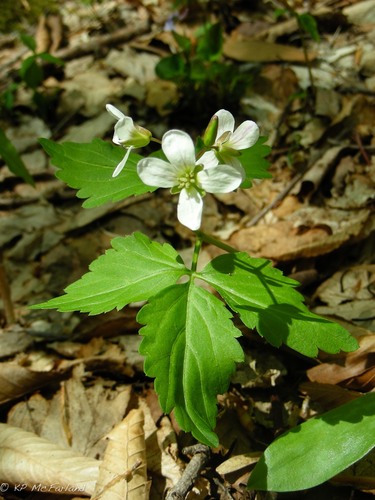
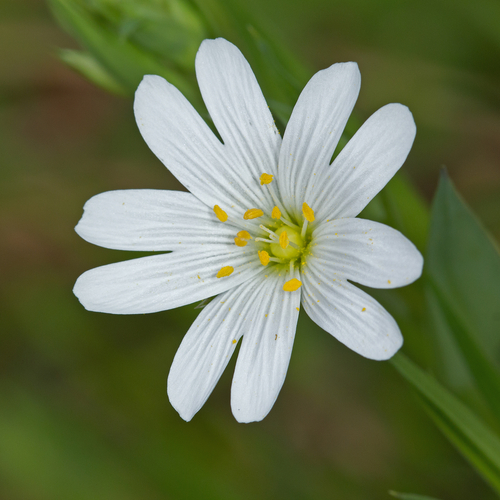
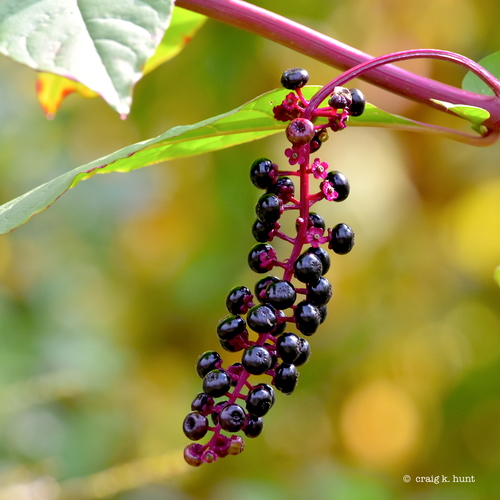
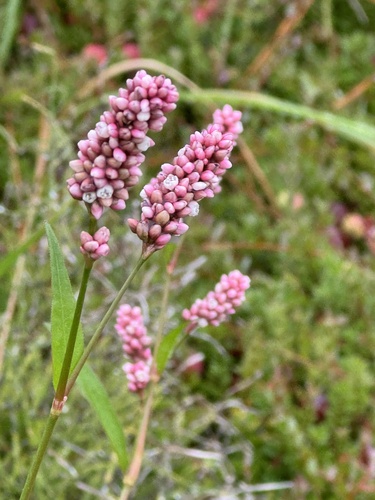
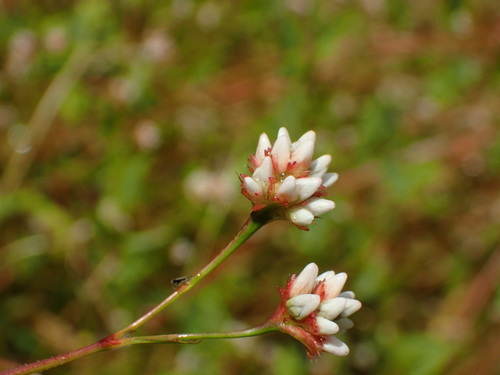
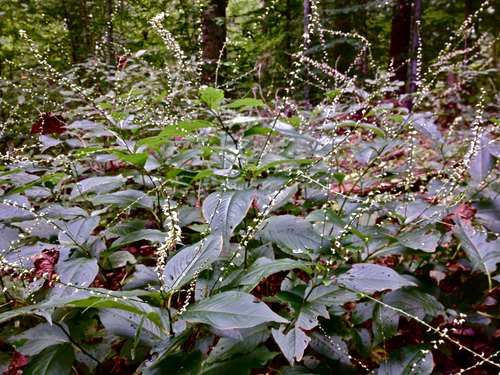
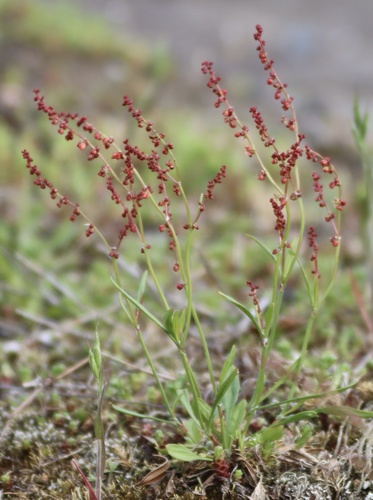
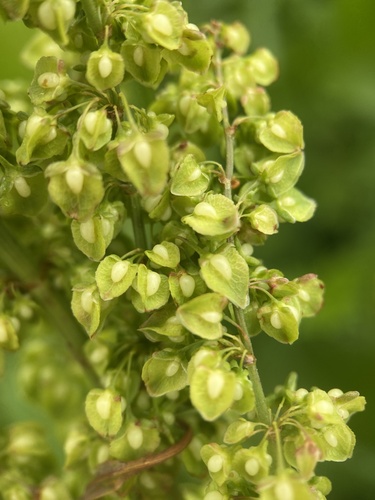
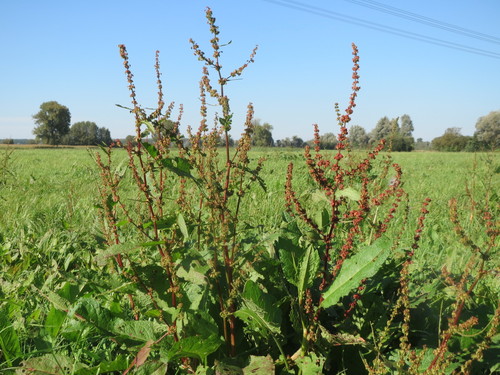
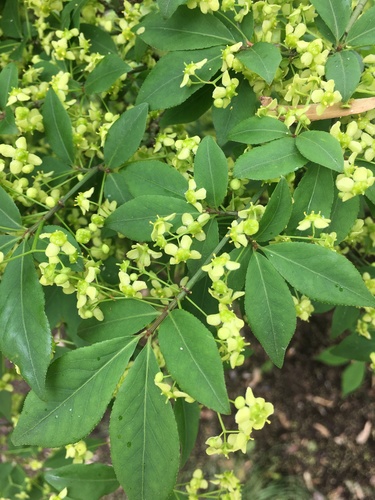
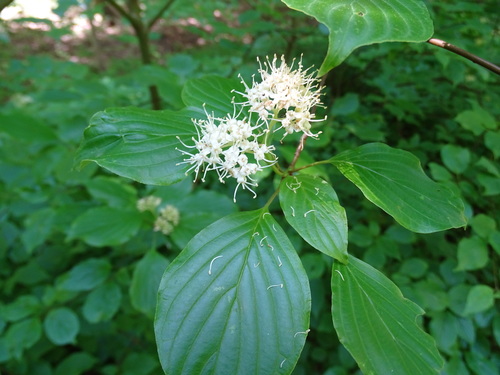
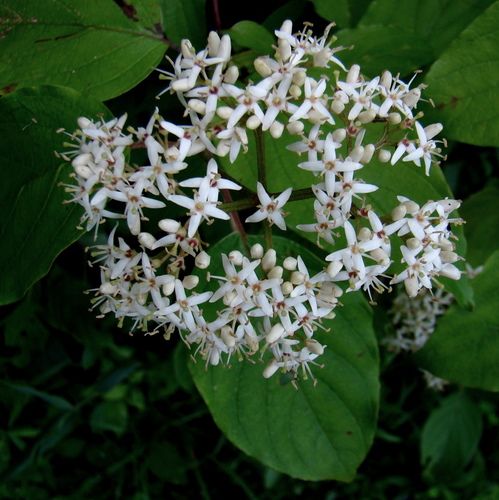
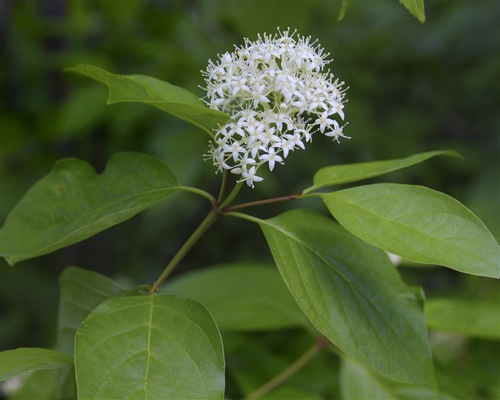
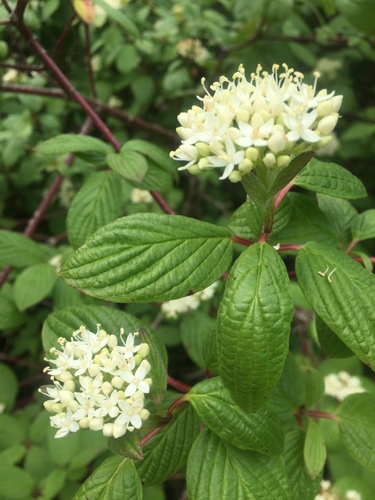
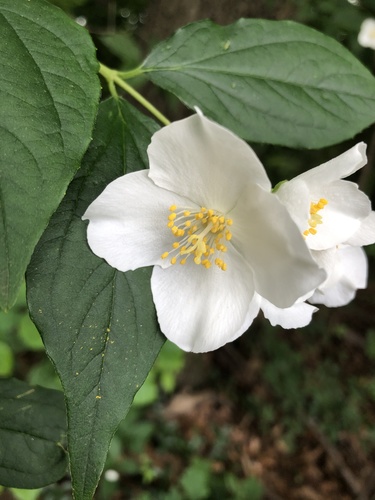
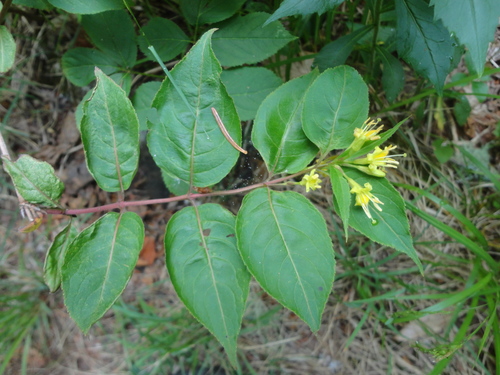
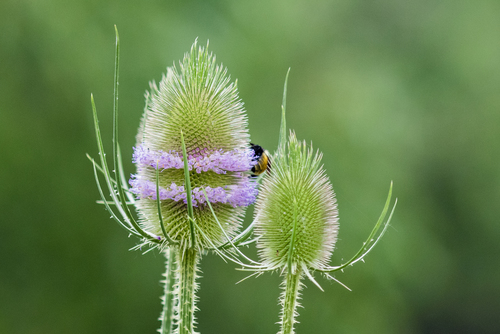
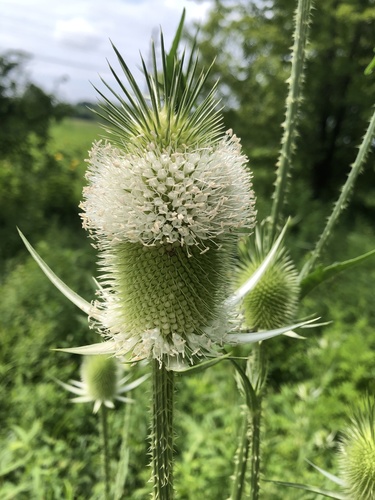
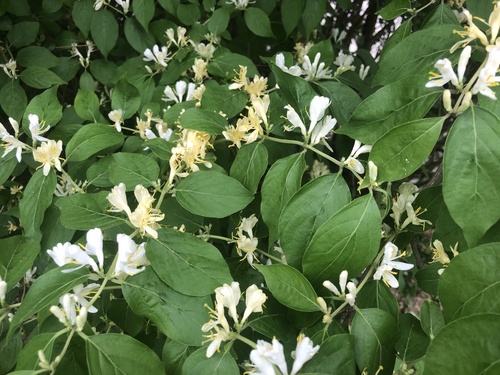
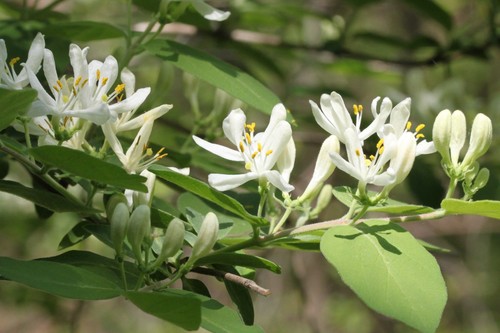
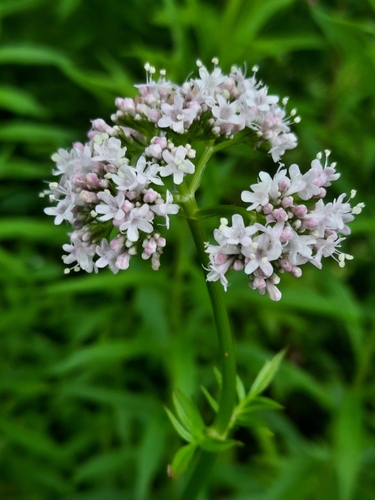
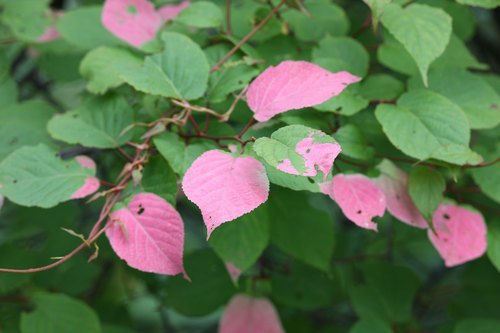
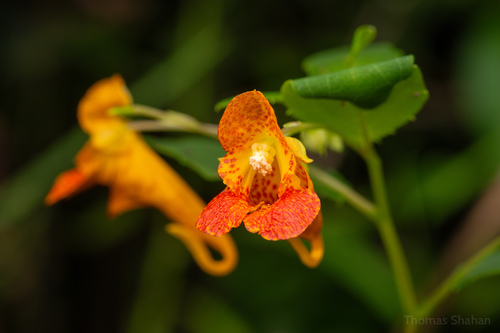
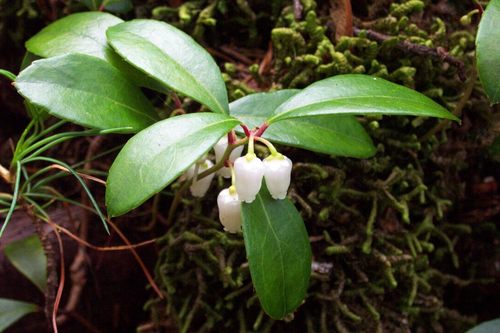
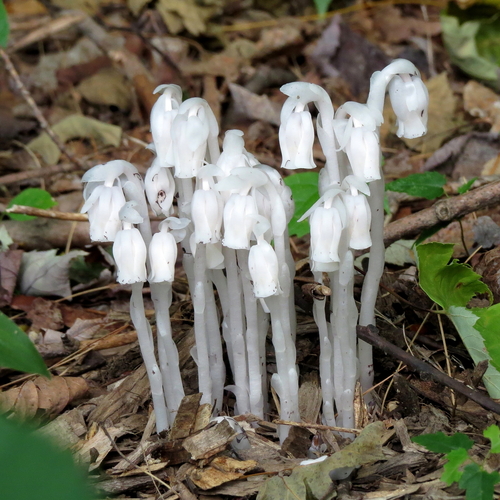
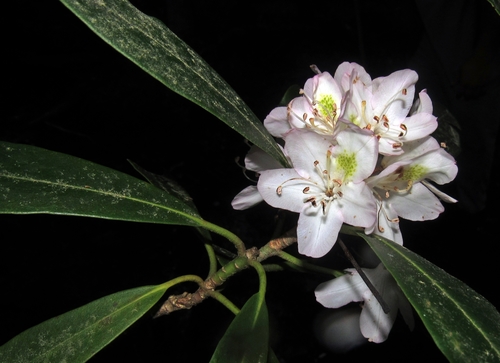
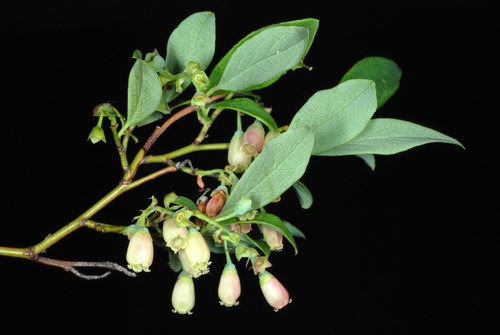
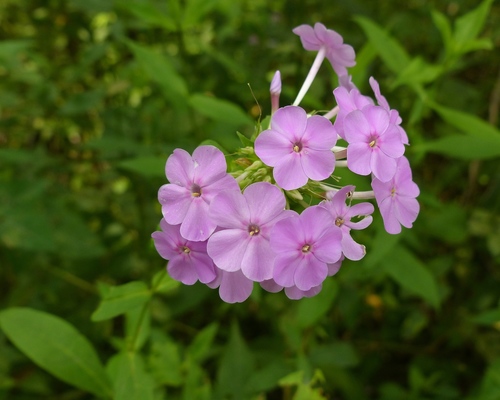
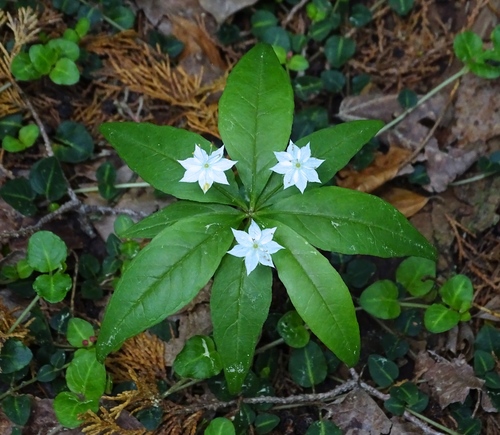
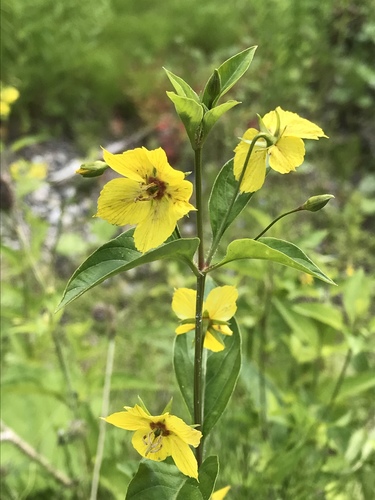
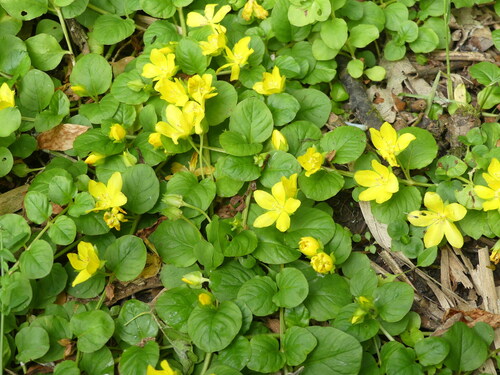
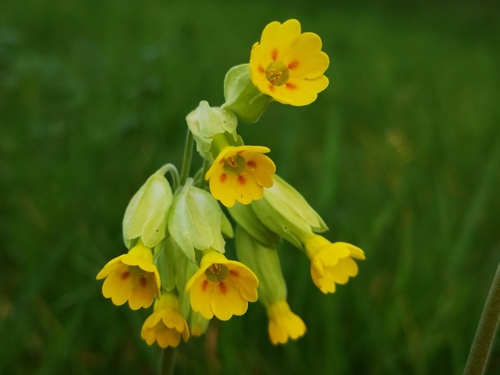
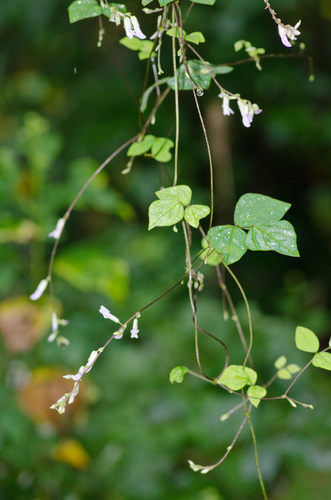
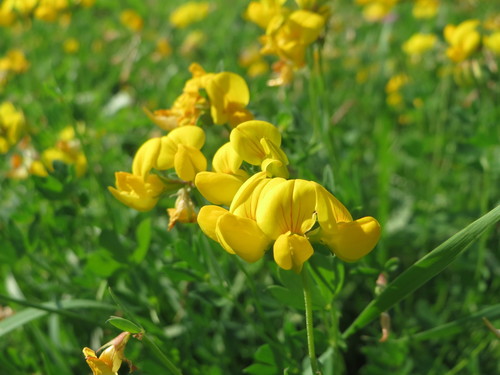
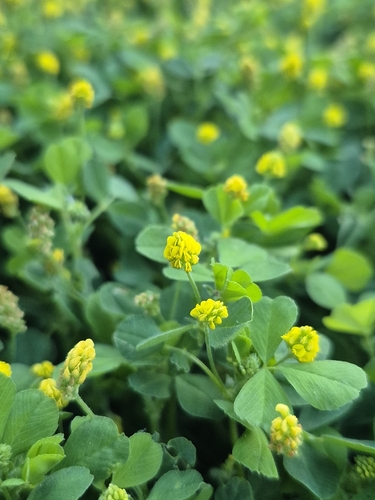
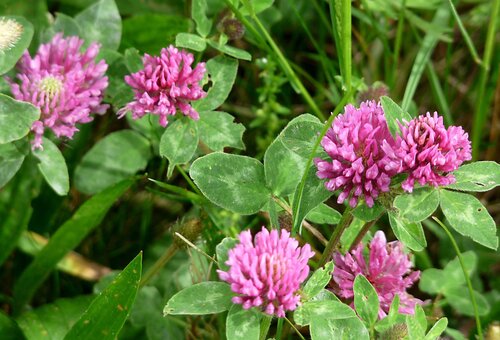
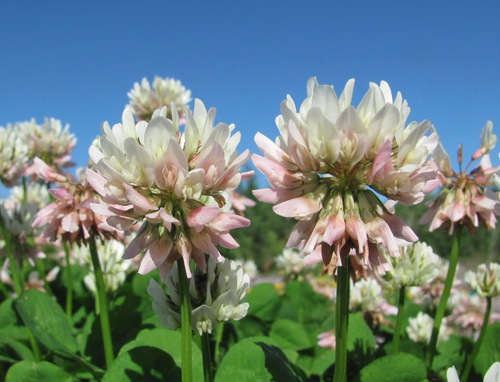
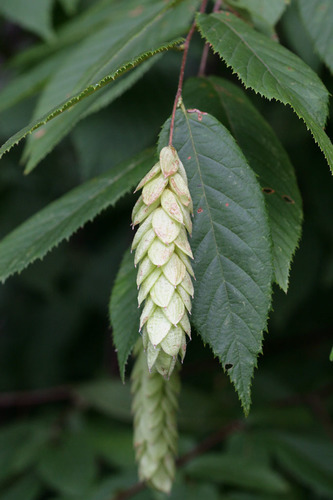
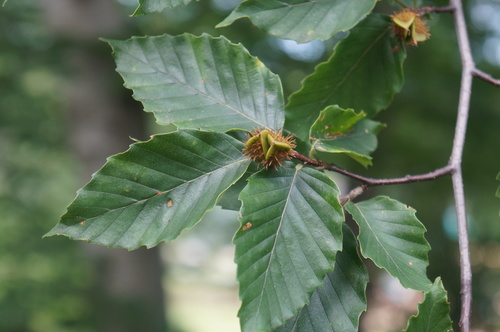
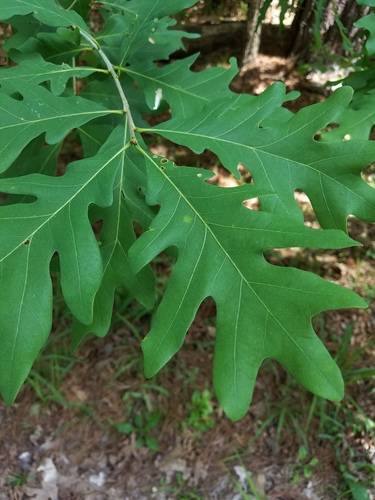
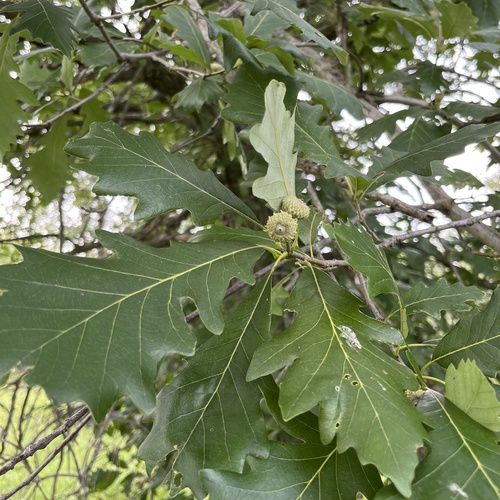
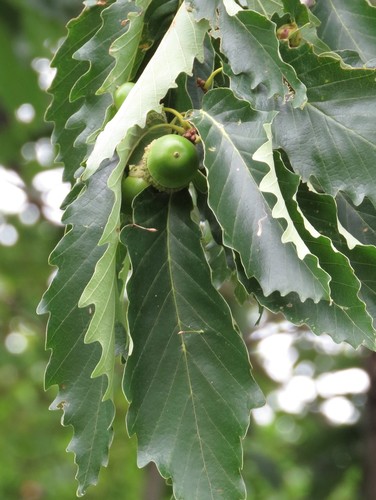
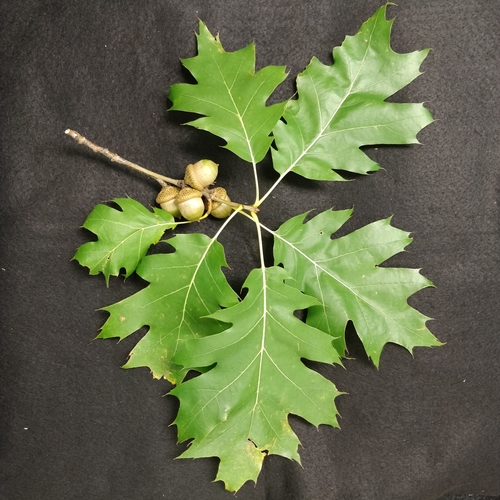
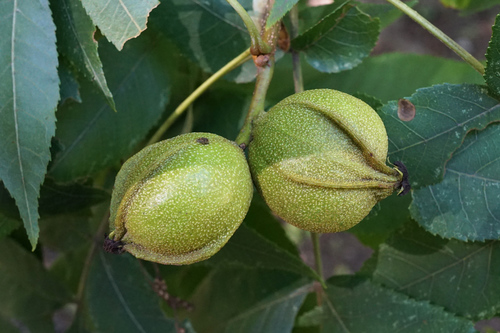
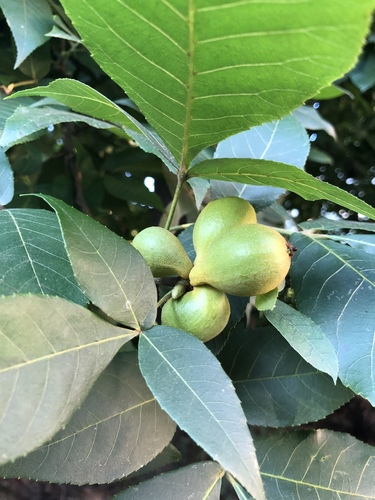
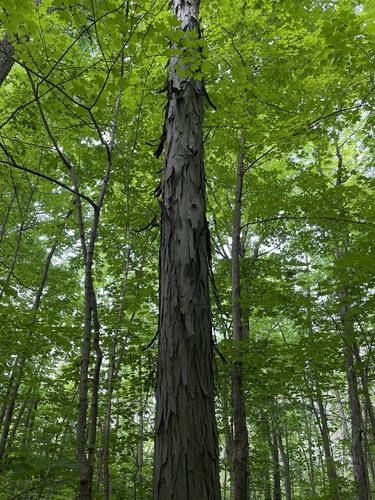
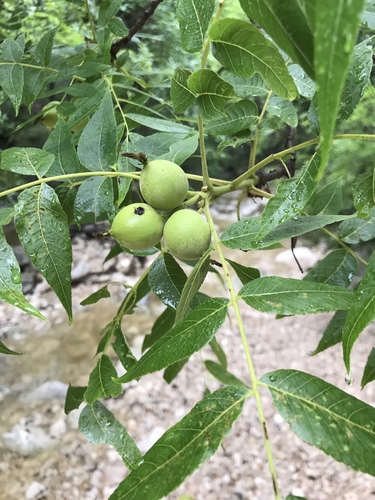
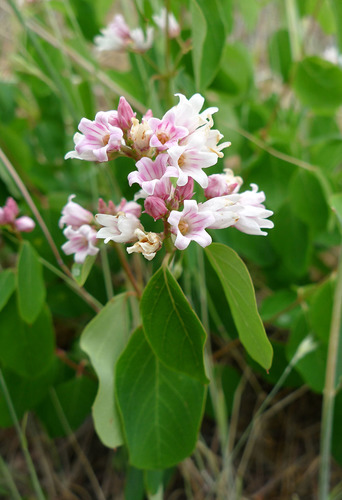
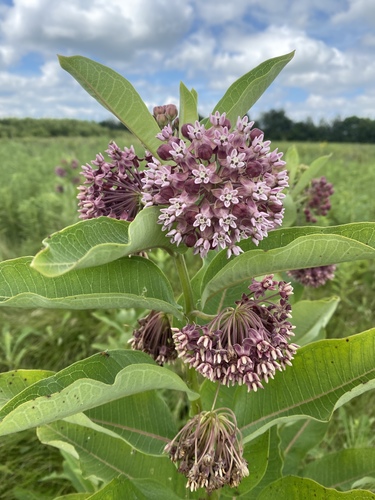
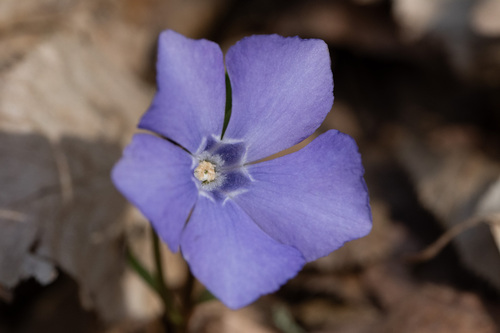
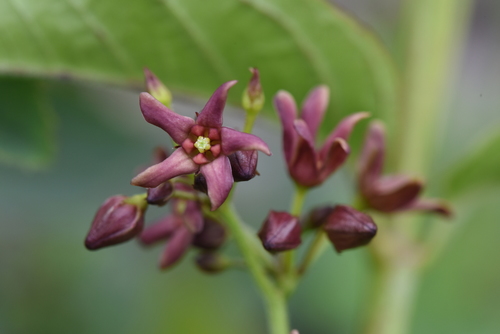
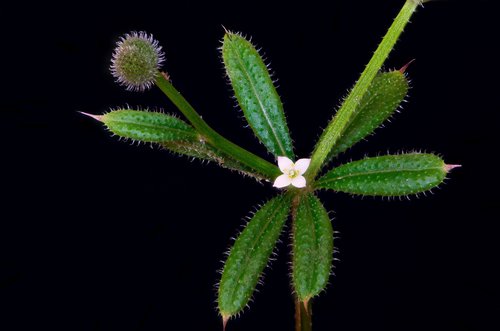
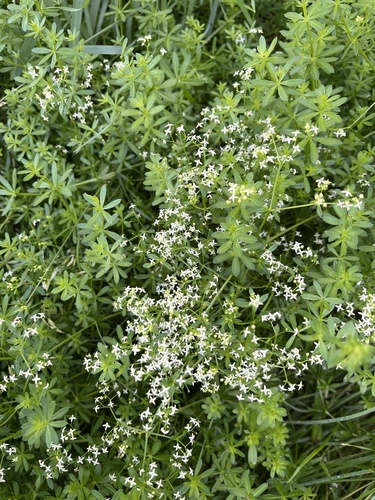
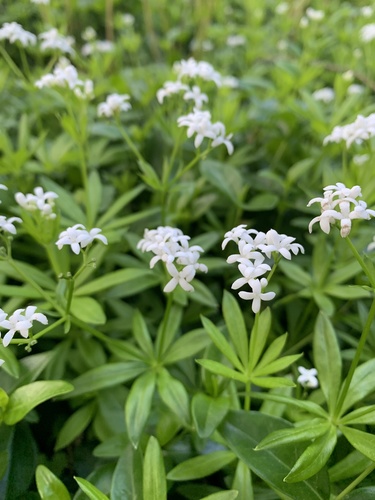
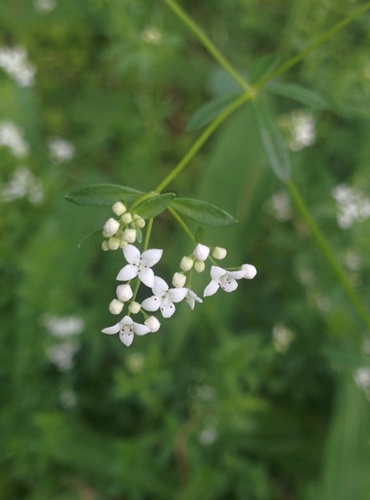
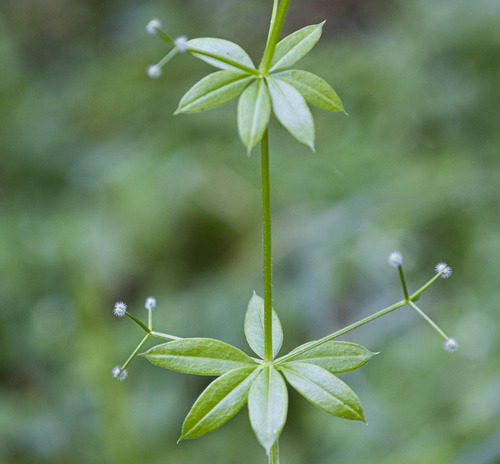
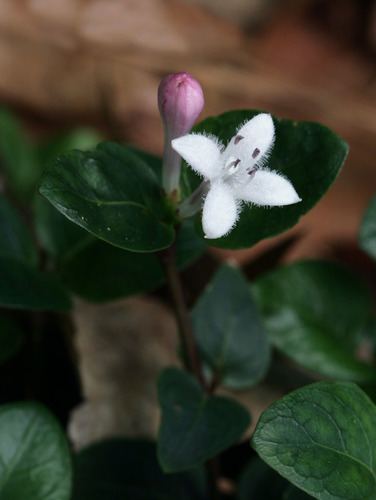
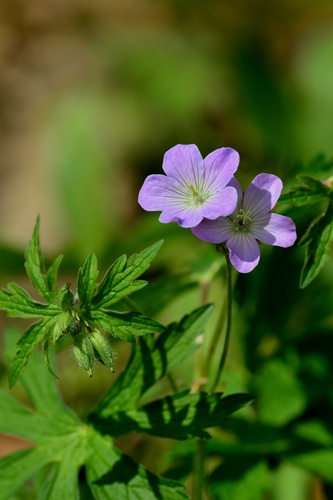
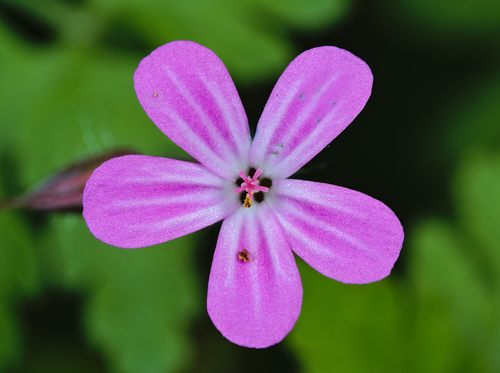
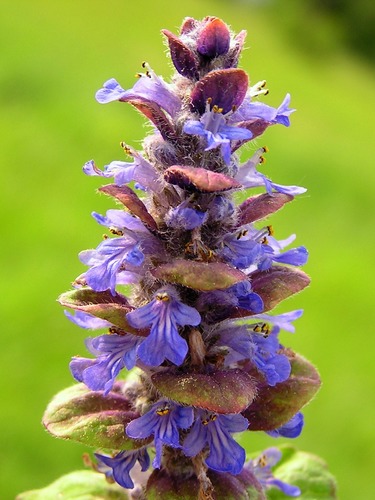
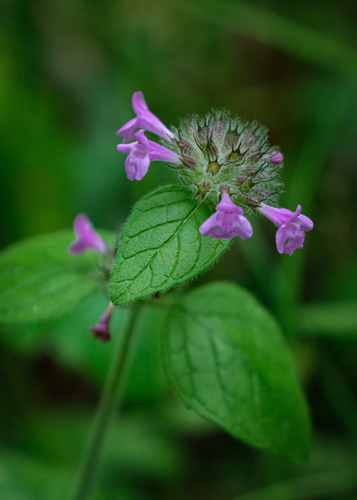
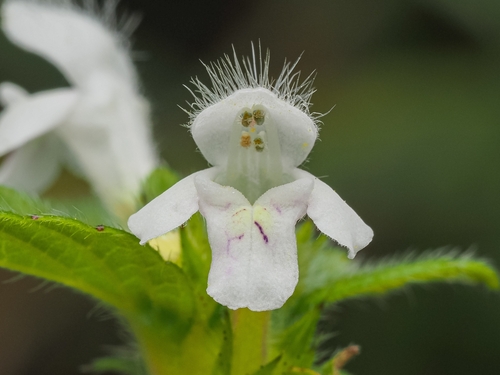
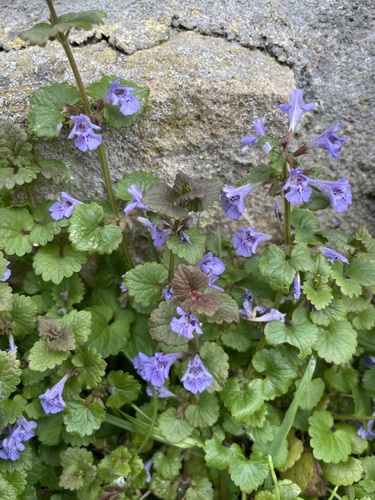
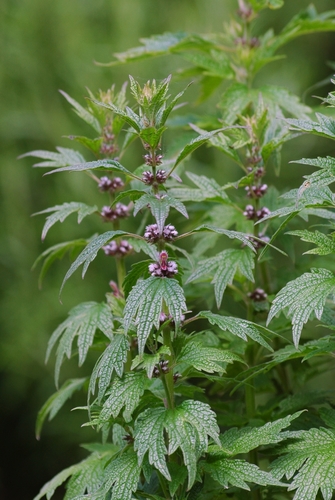
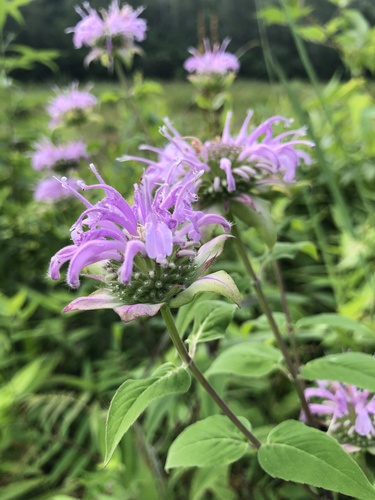
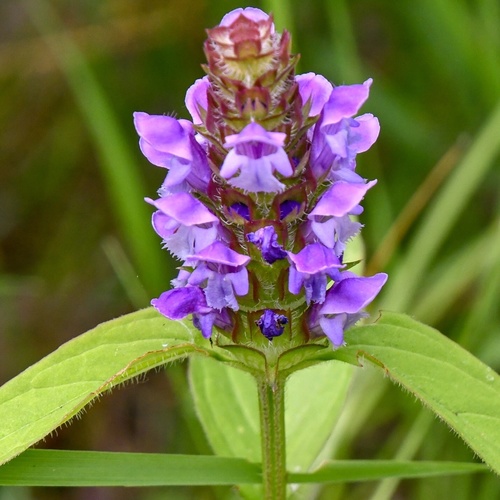
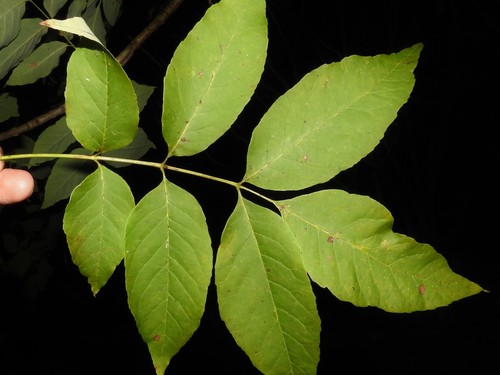
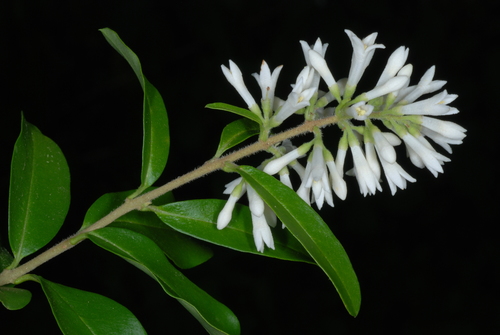
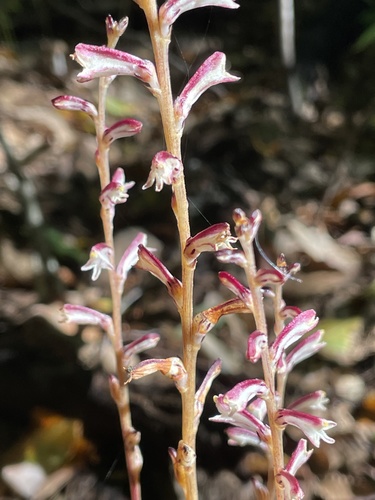
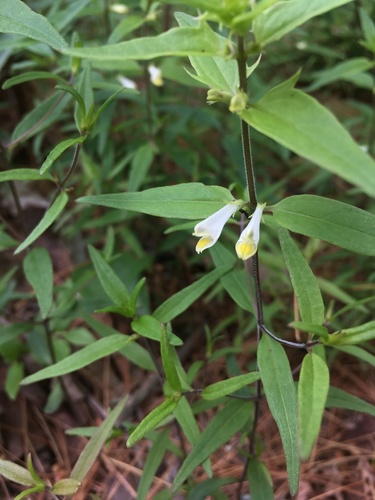
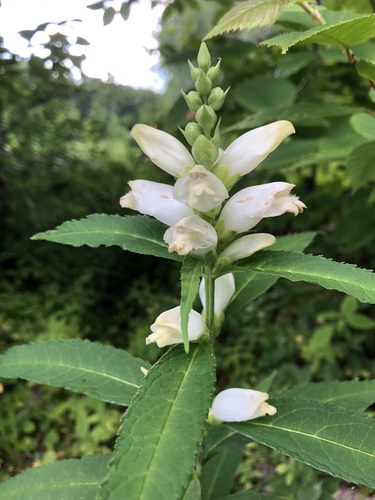
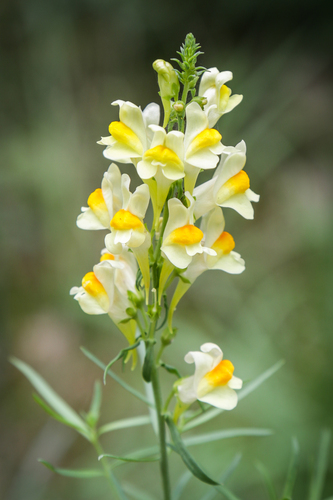
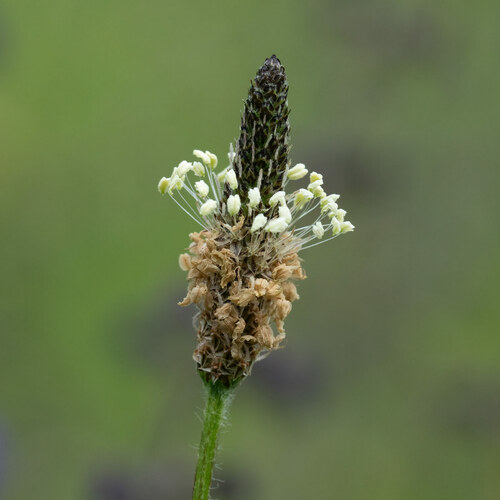
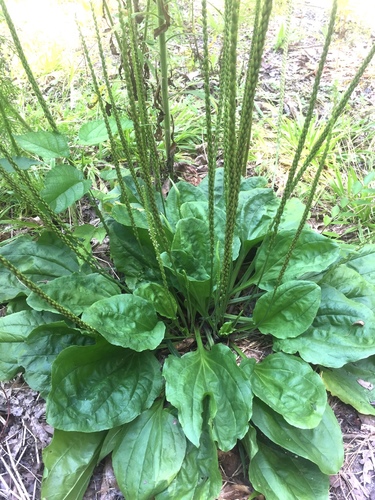
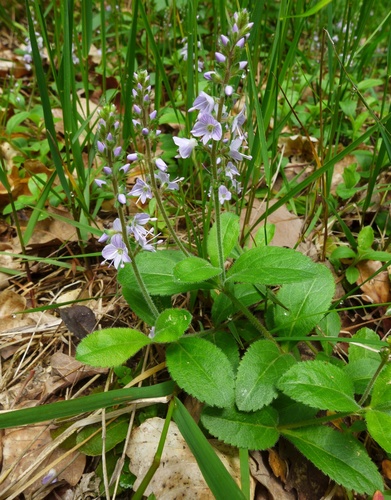
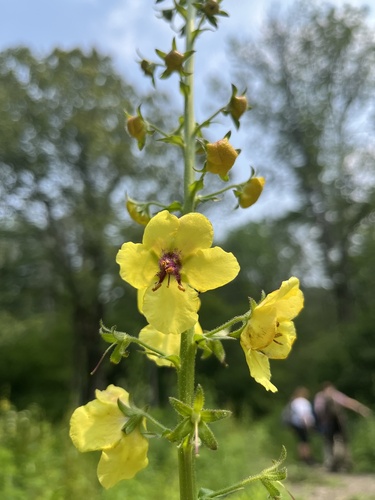
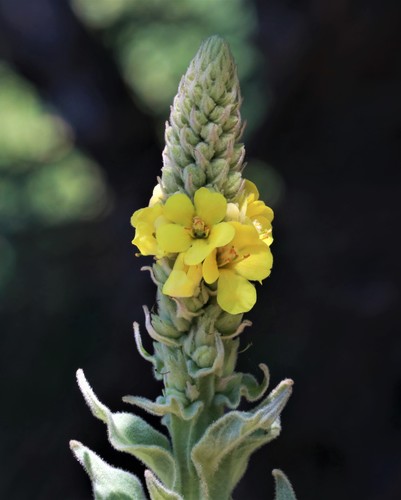
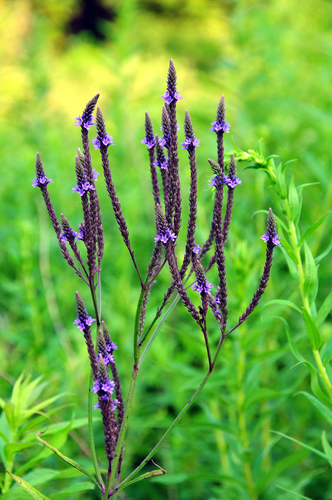
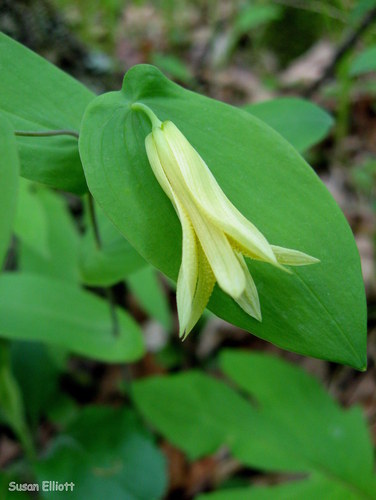
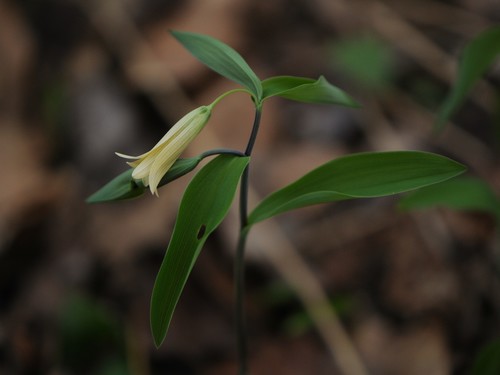
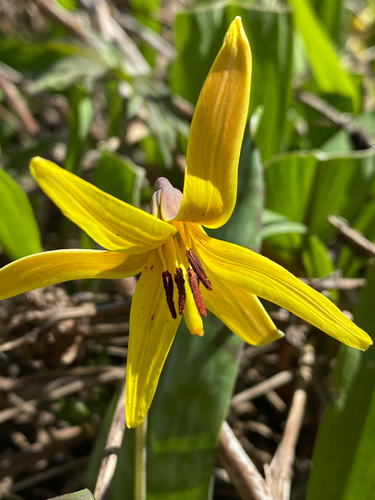
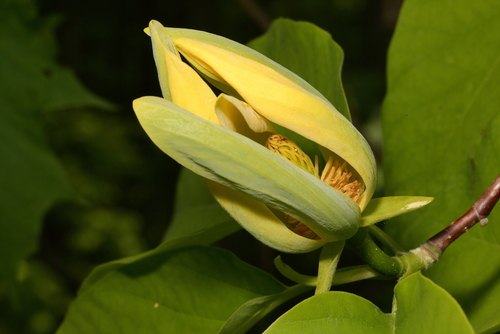
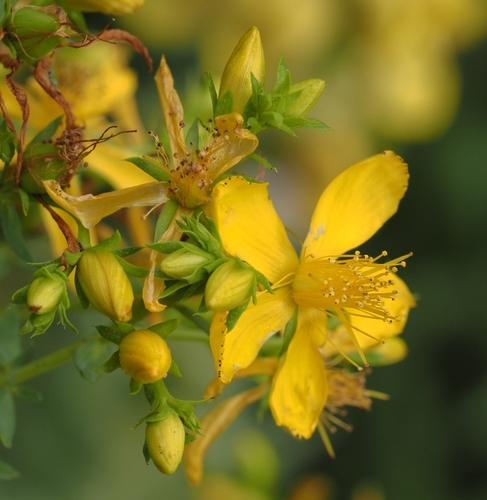
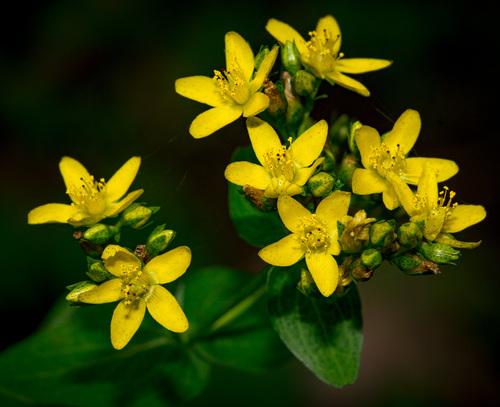
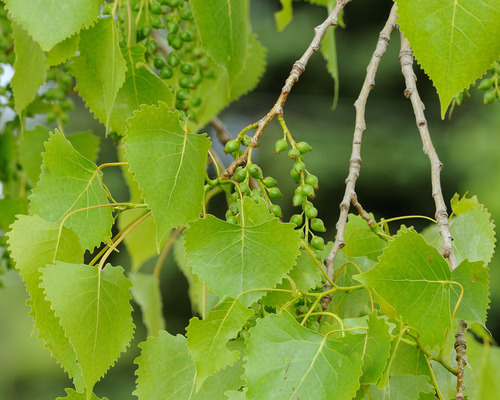
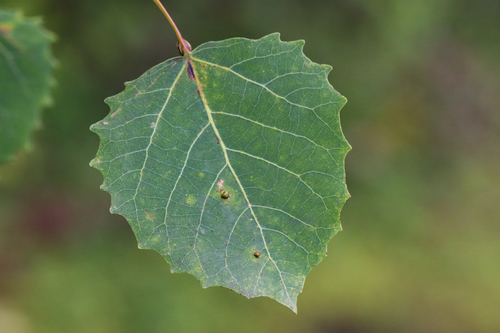
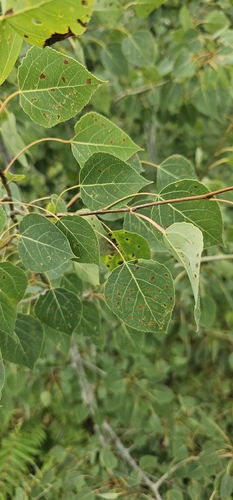
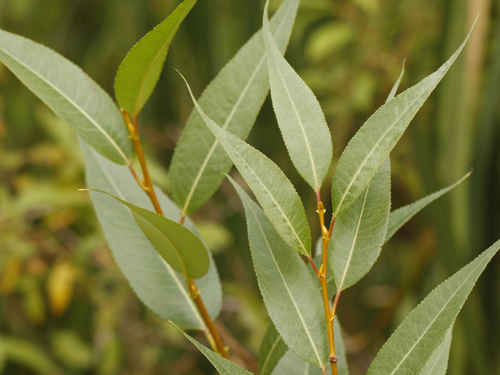
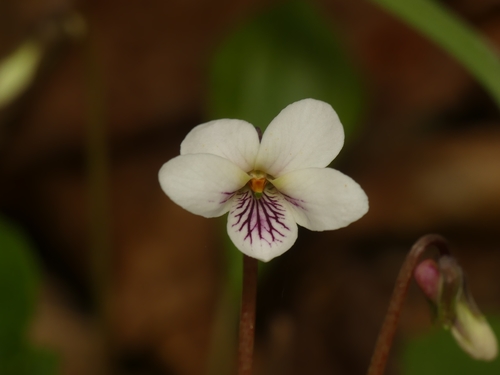
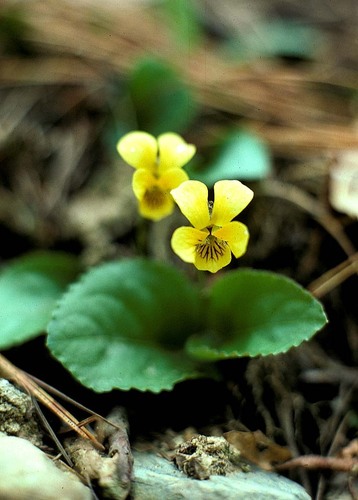
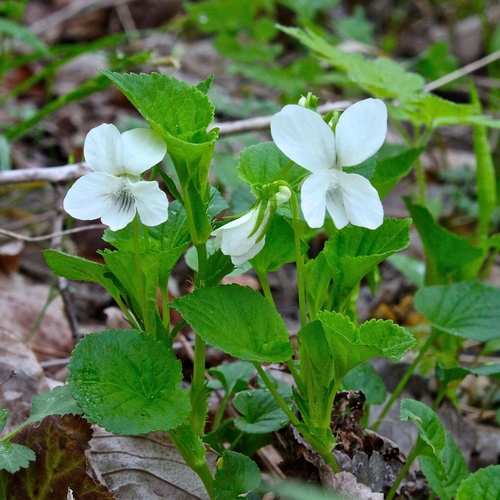
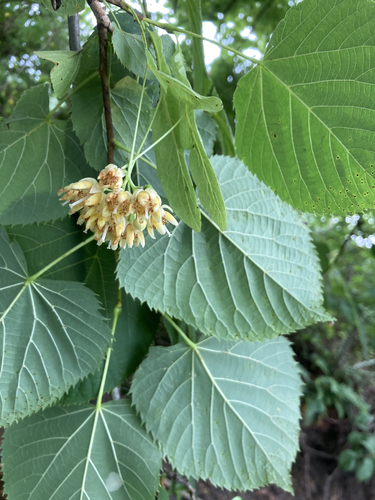
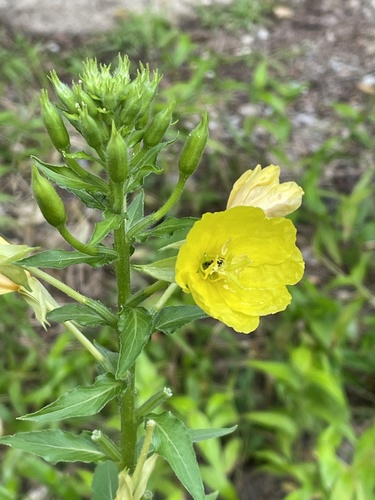
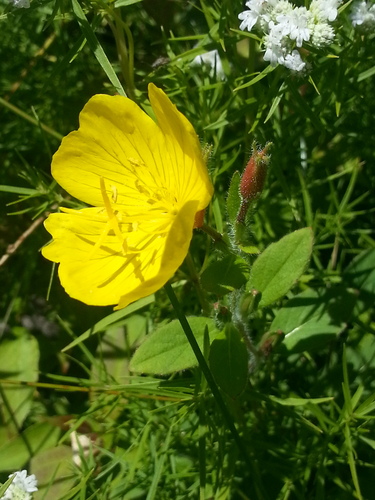
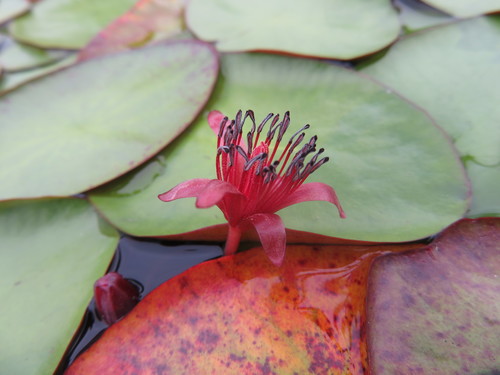
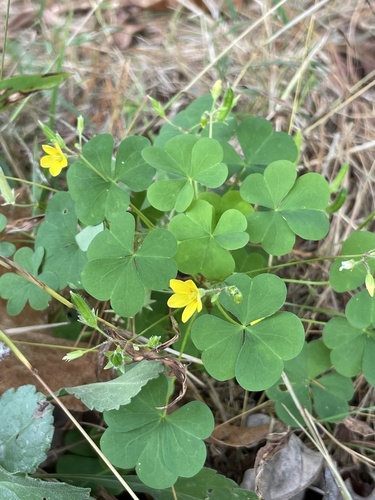
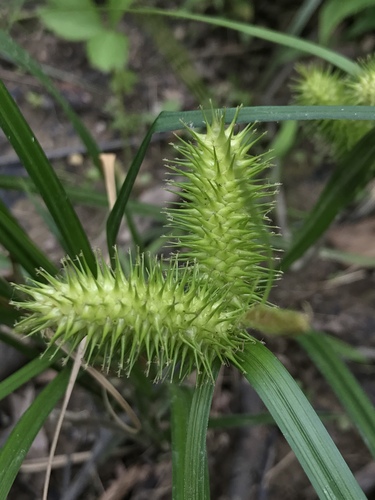
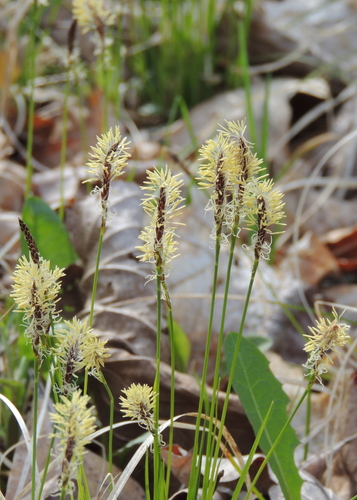
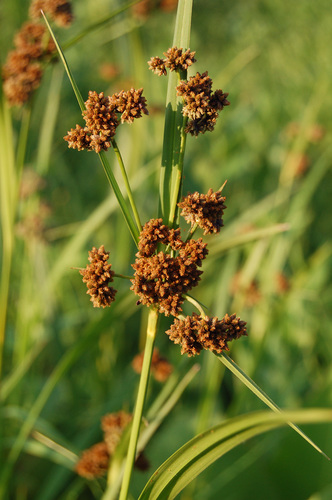
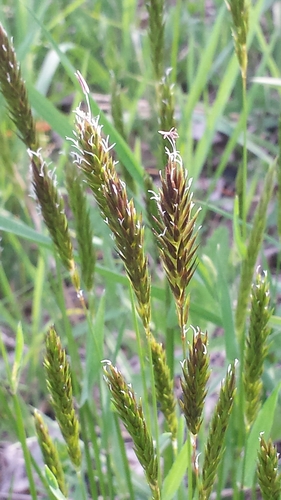
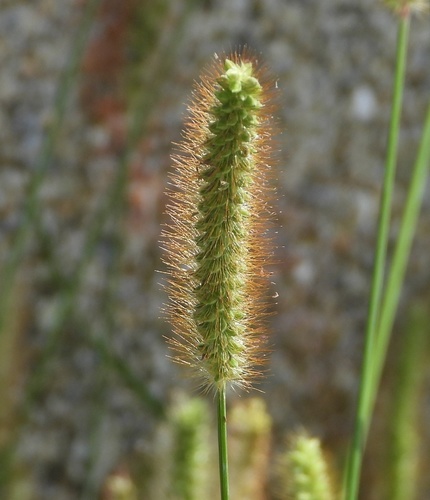
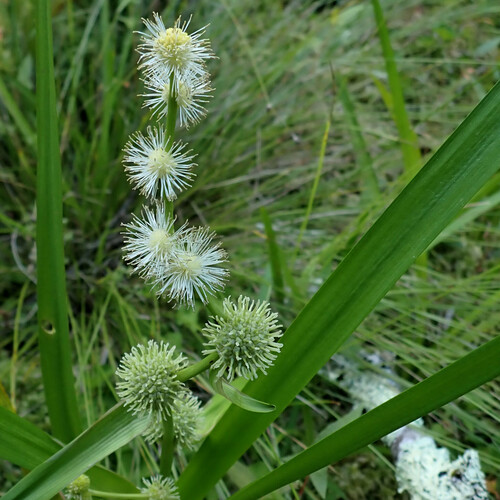
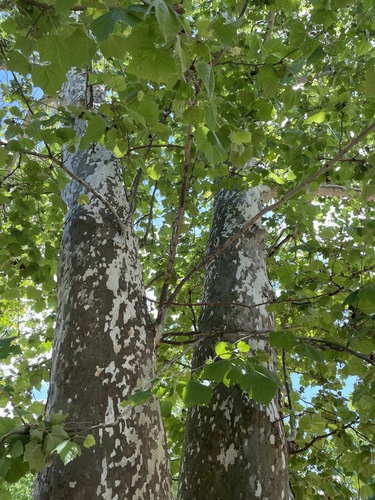
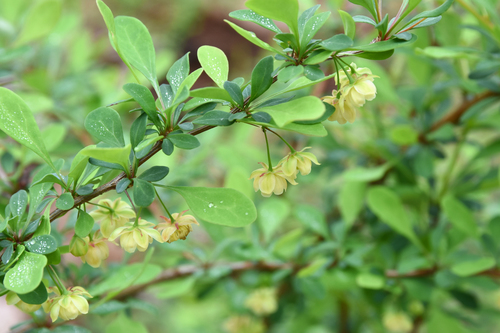
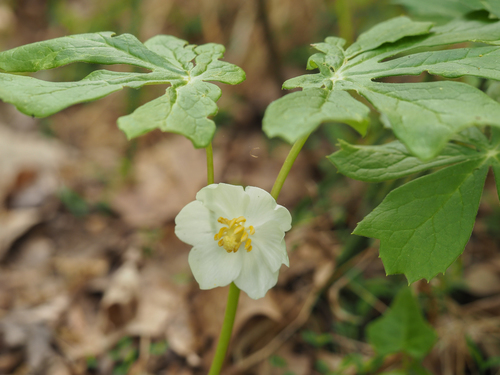
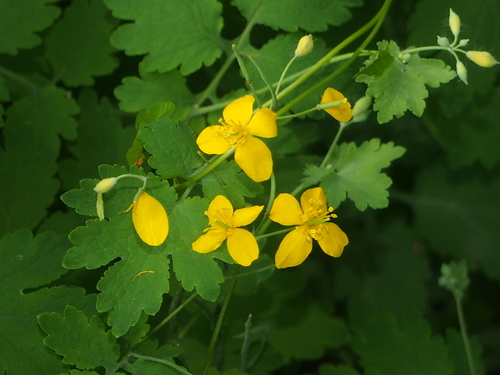
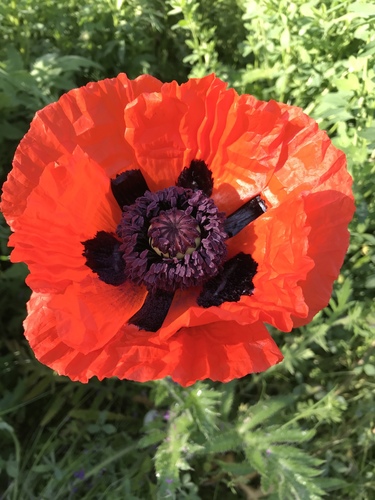
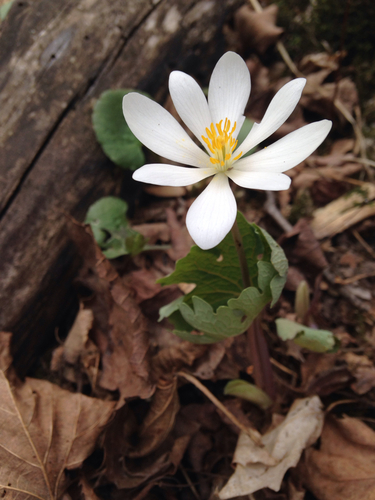
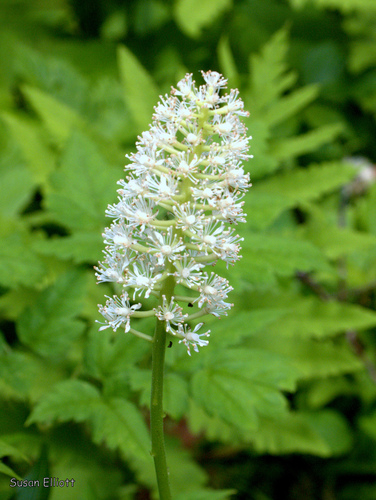
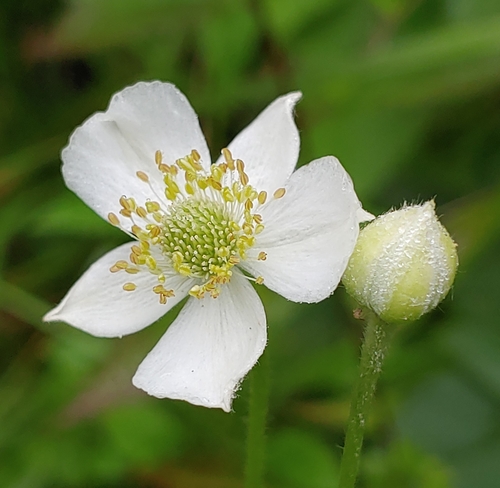
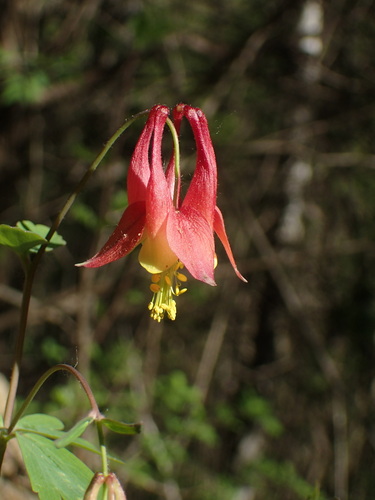
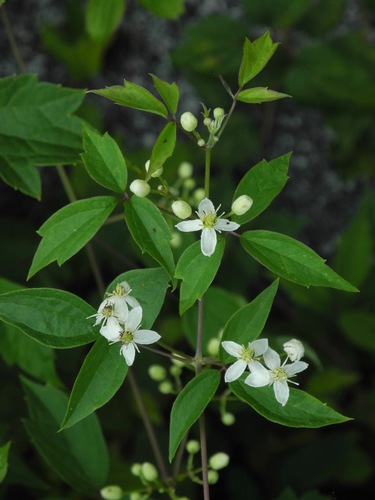
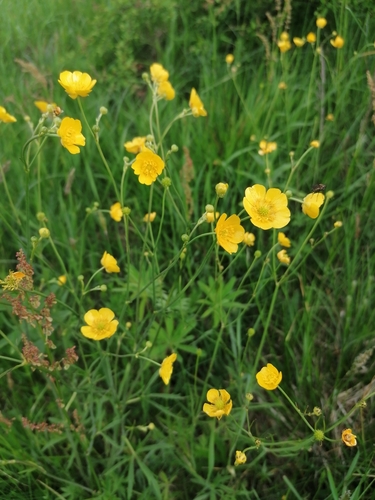
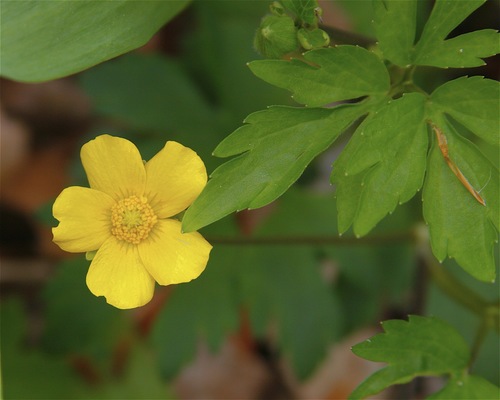
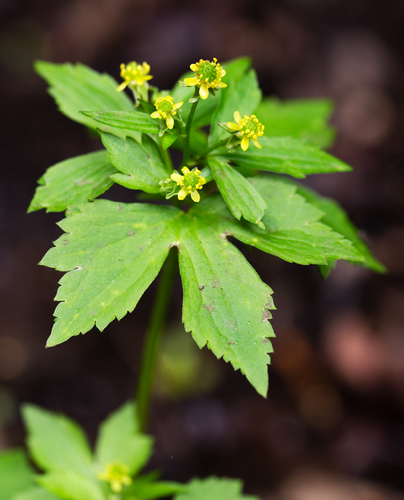
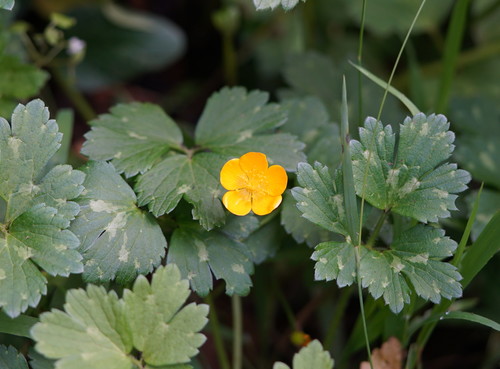
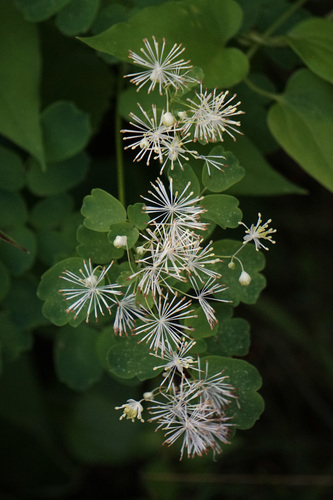
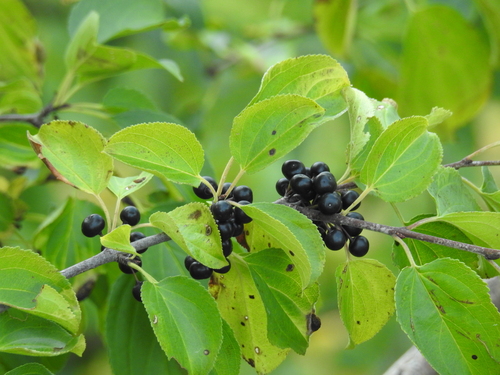
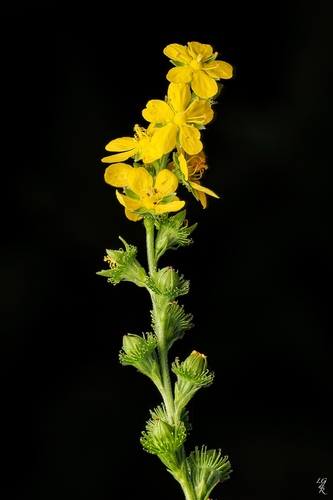
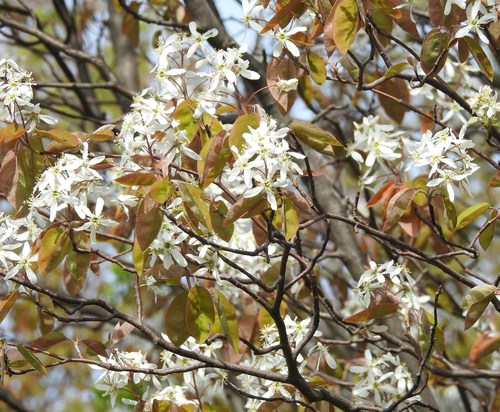
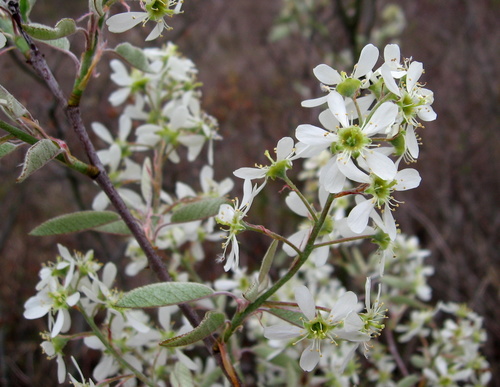
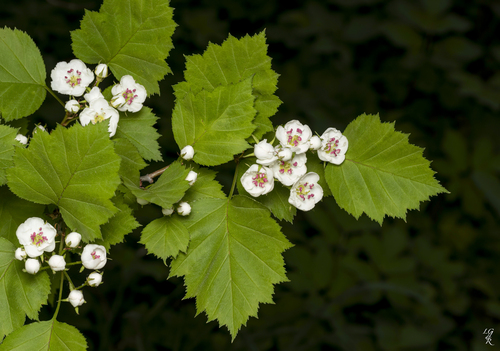
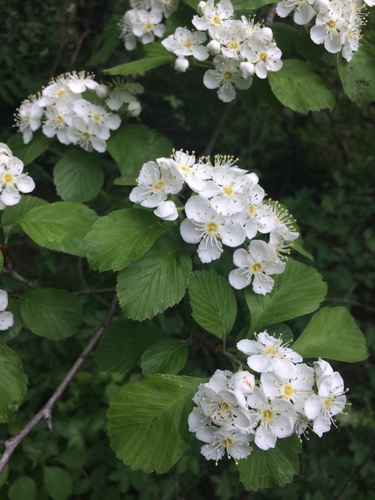
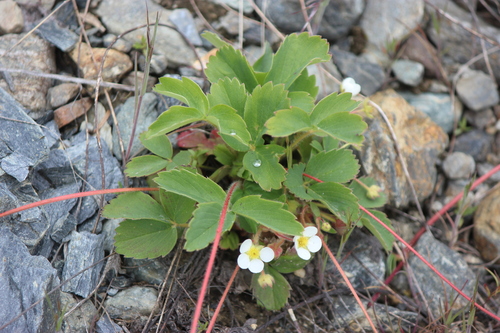
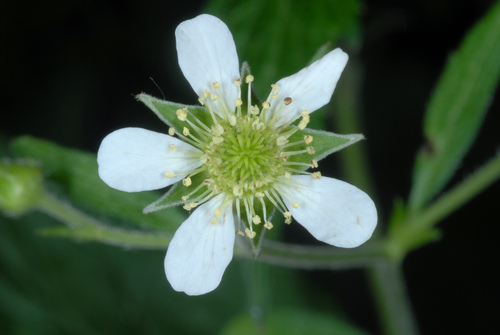
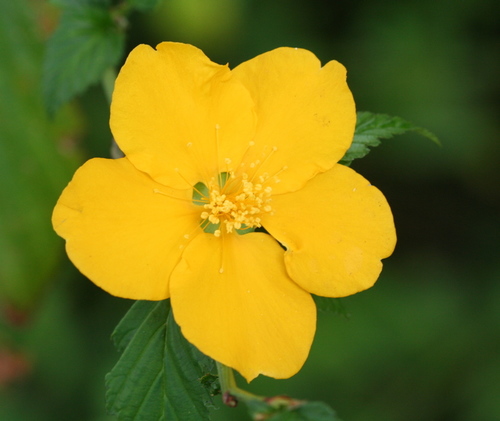
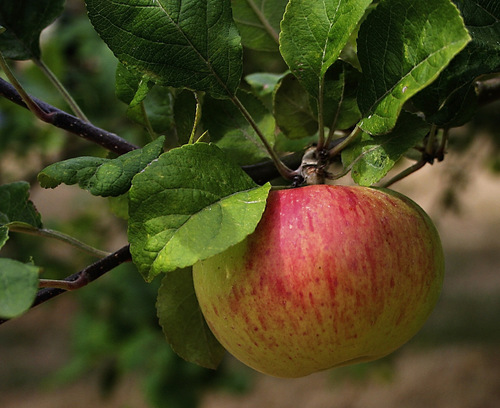
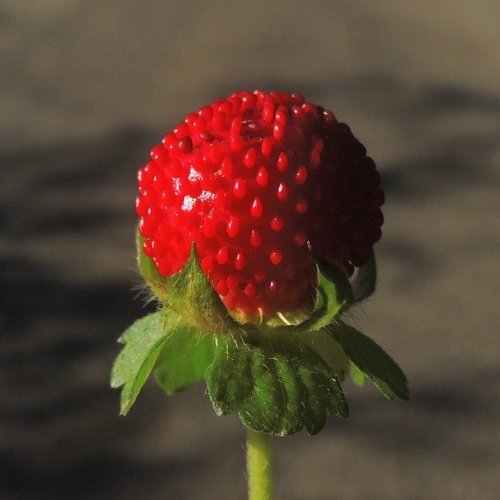
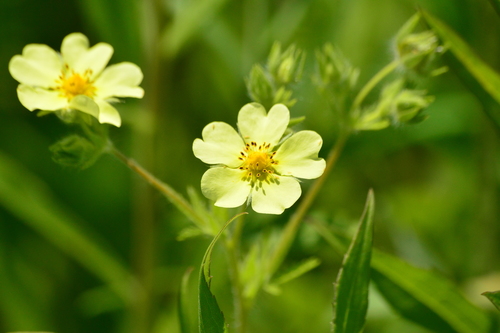
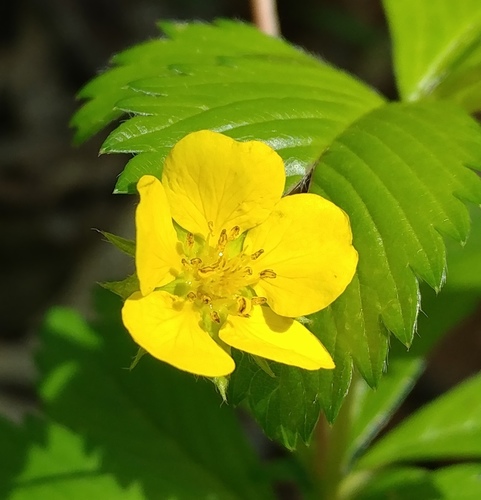
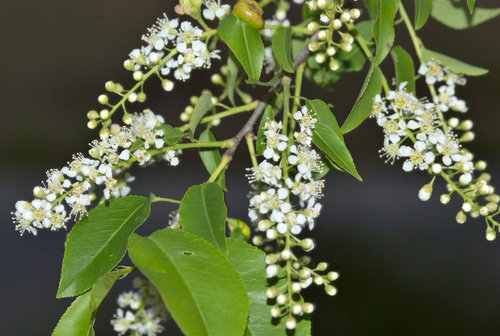
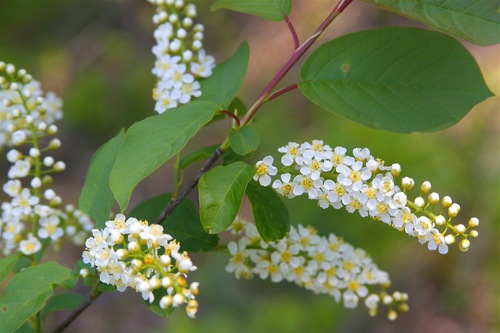
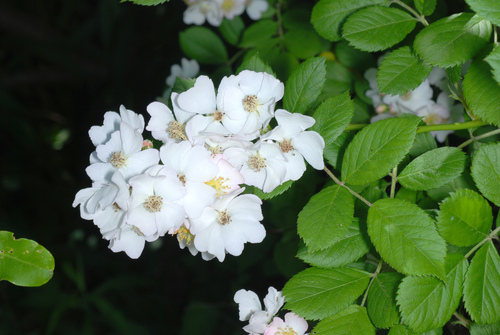
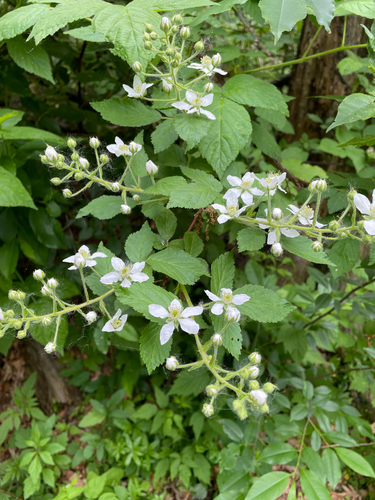
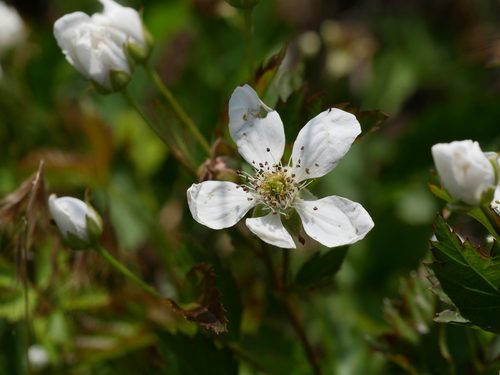
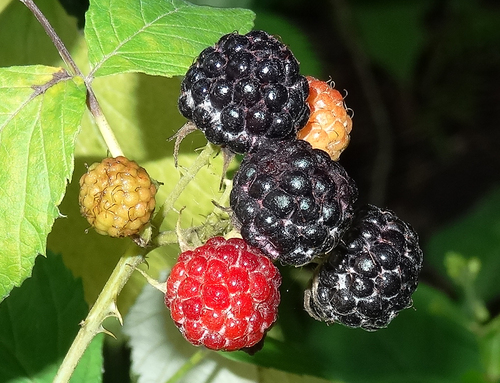
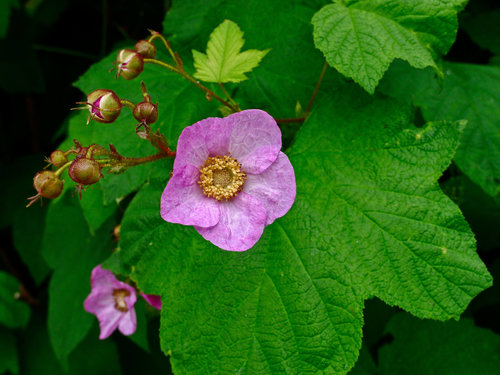
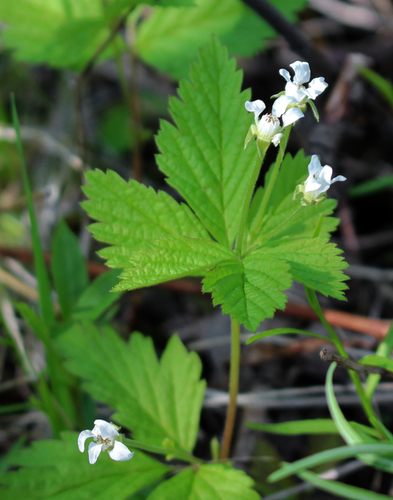
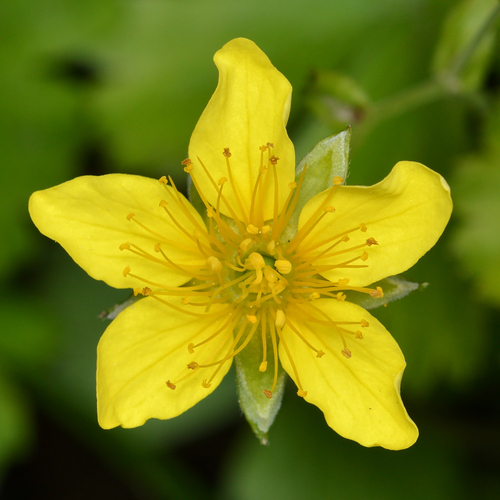
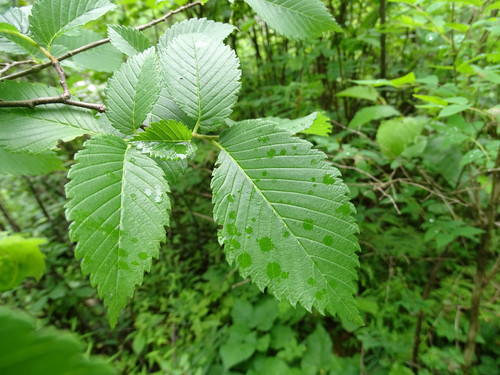
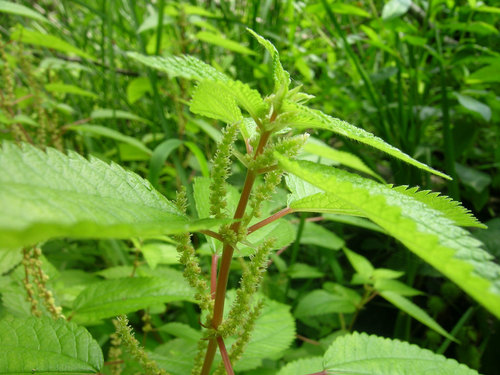
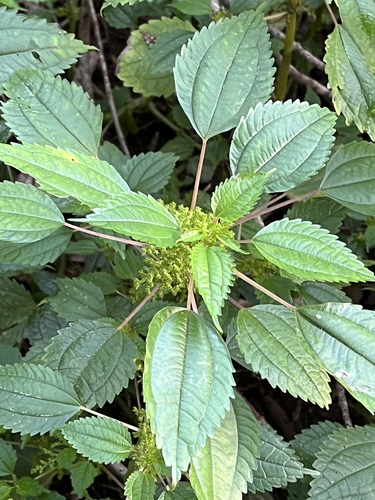
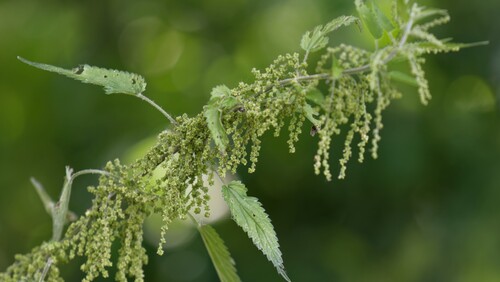
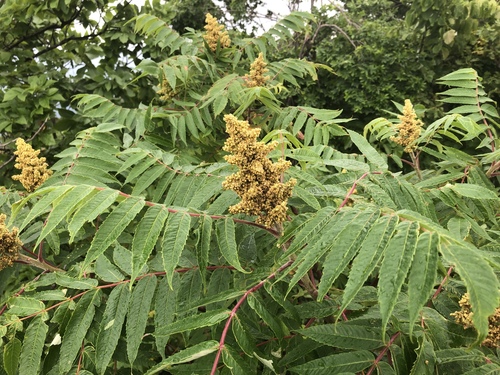
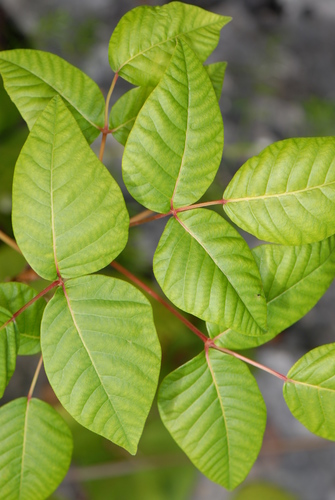
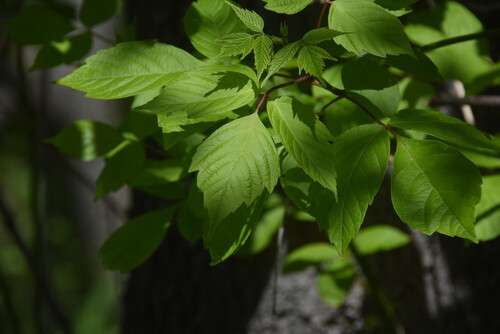
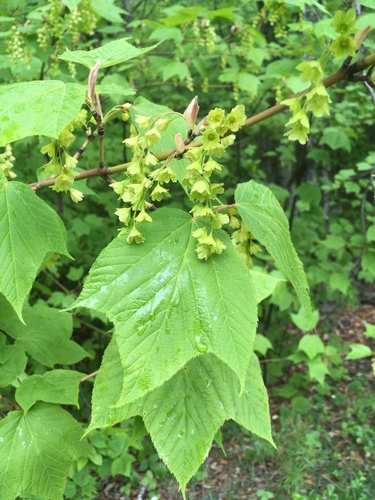
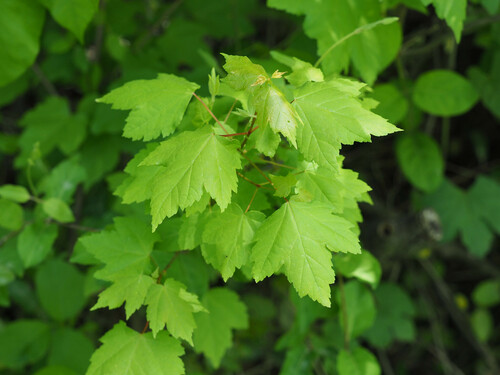
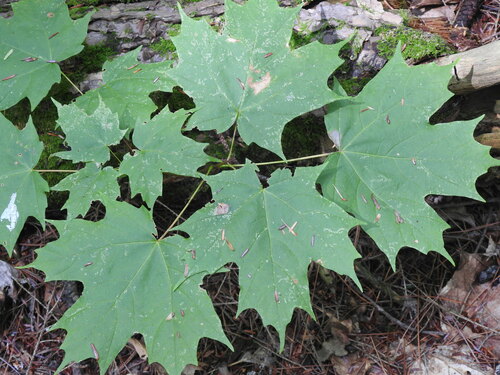
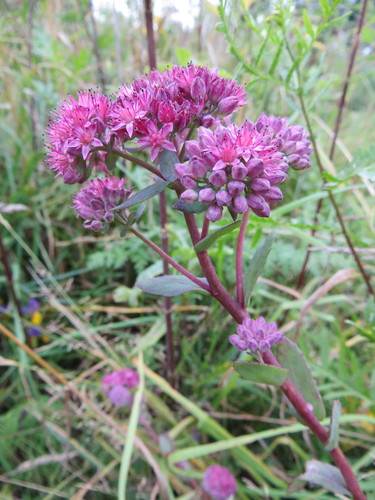
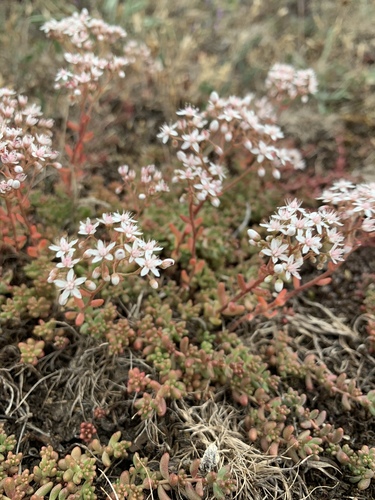
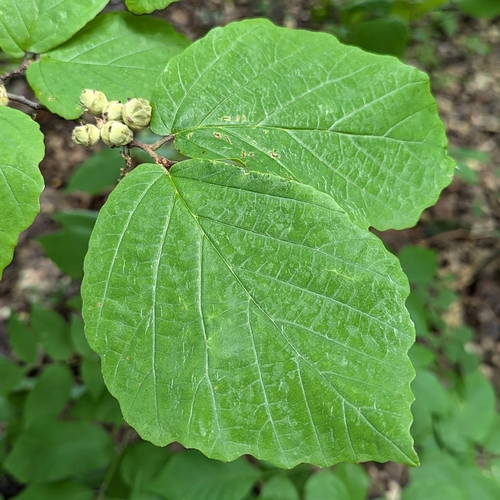
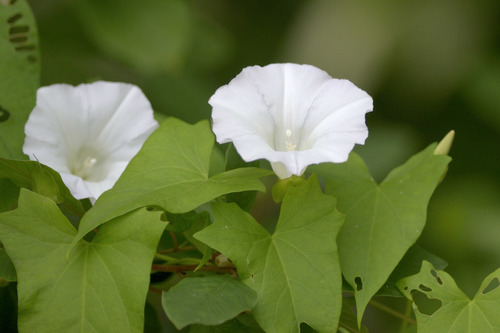
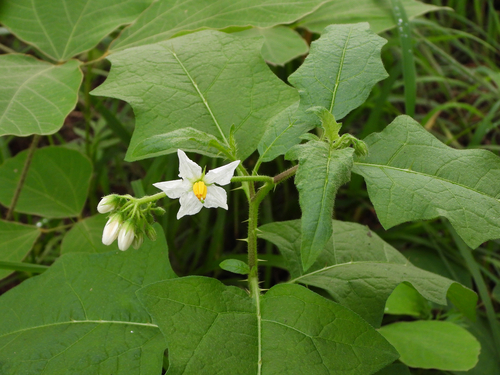
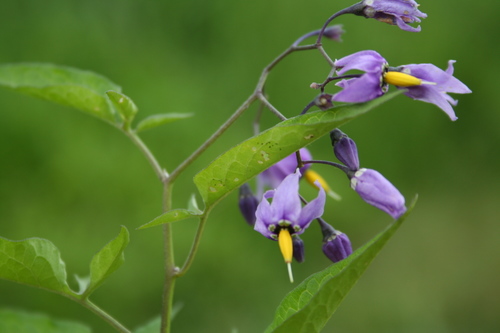
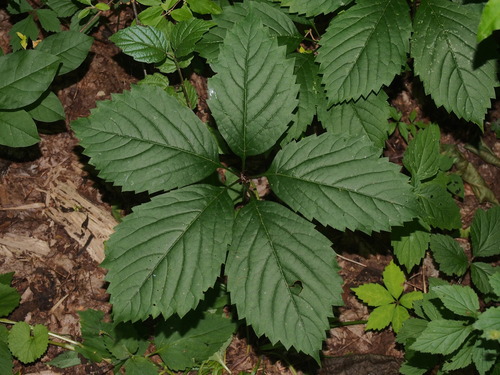
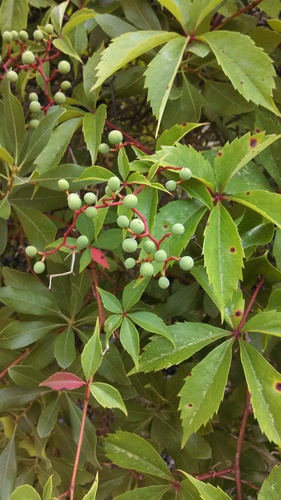
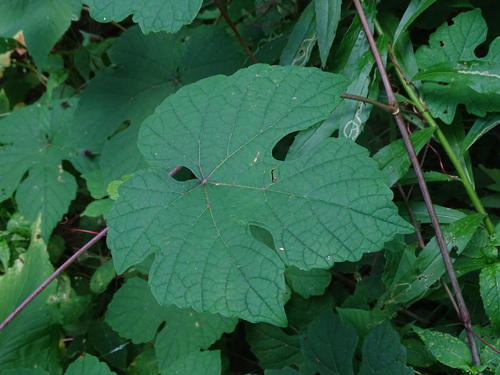
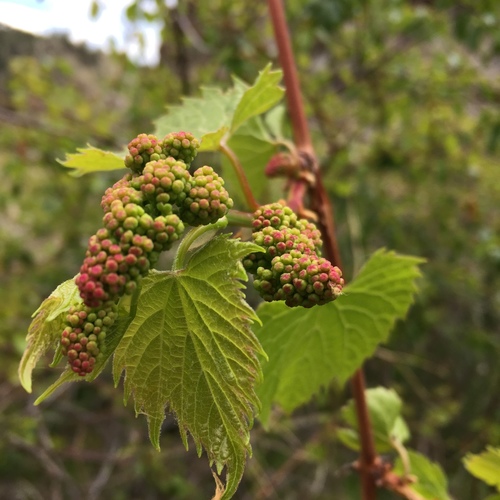
Angiosperms · 234 species
Flowering seed plants — the largest group on Earth, encompassing all broadleaf trees, shrubs, wildflowers, and grasses. Seeds are enclosed inside a fruit or ovary.
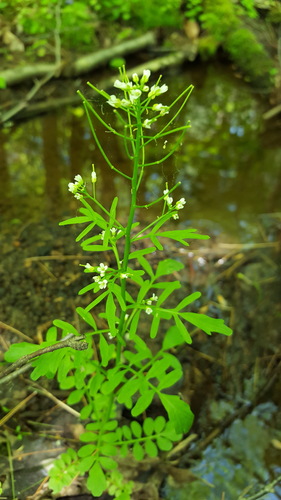
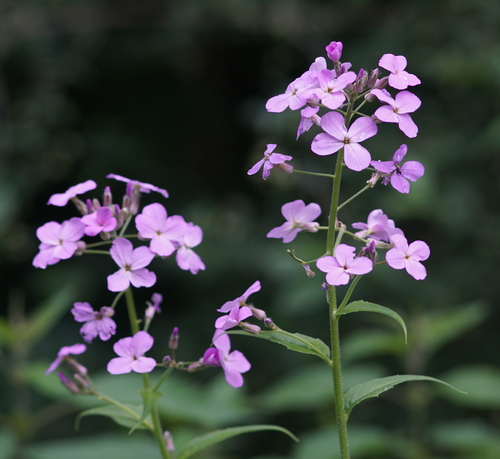
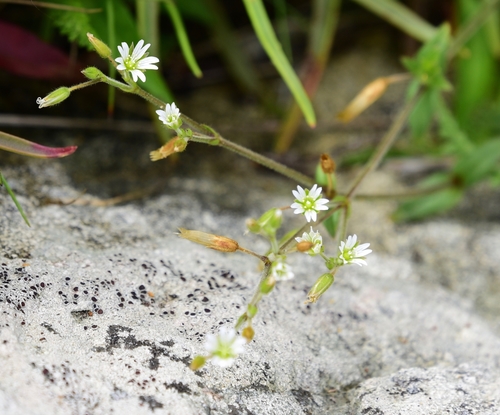
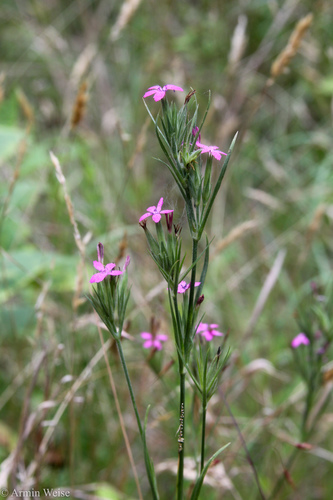
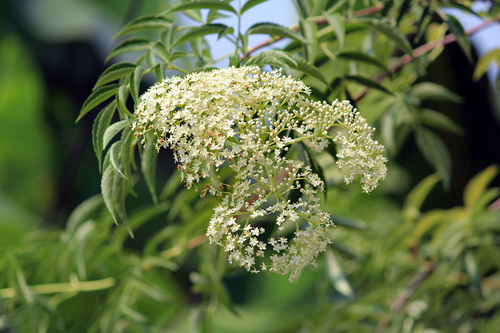
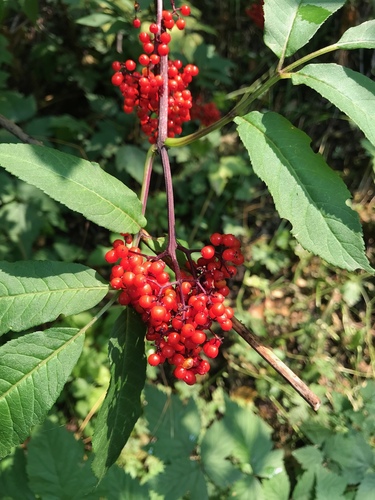
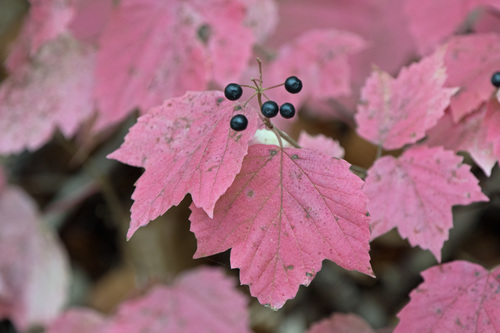
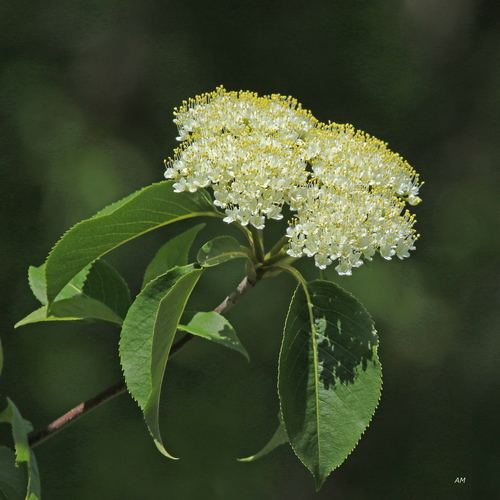
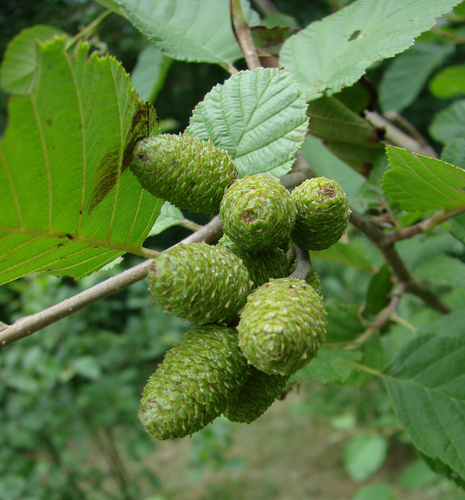
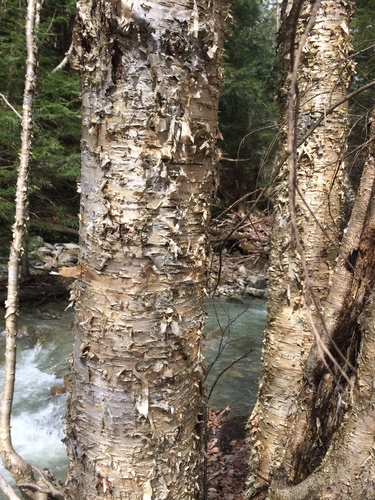
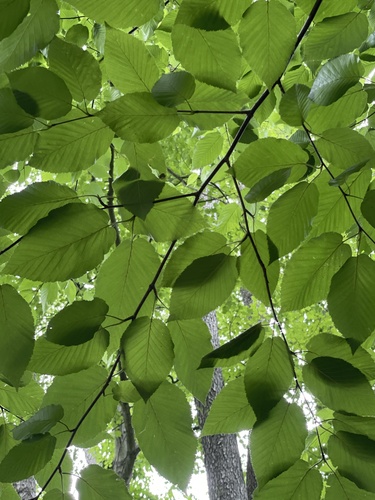
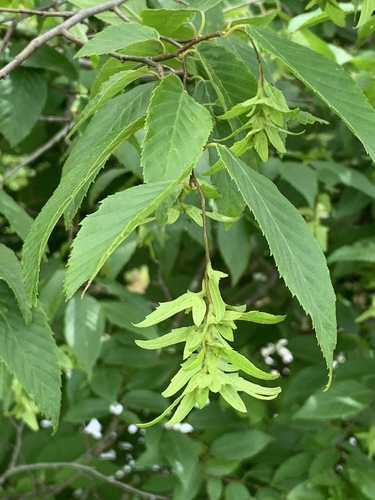



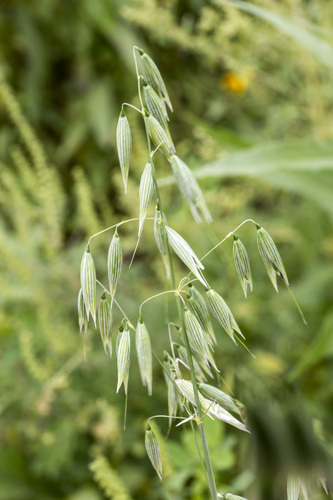
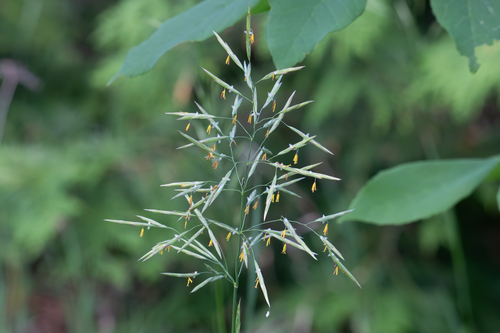
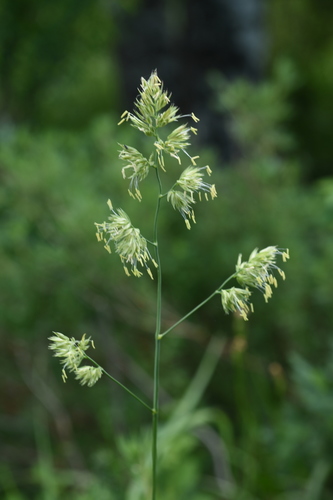
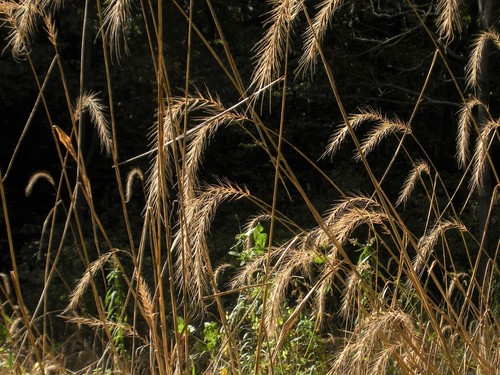
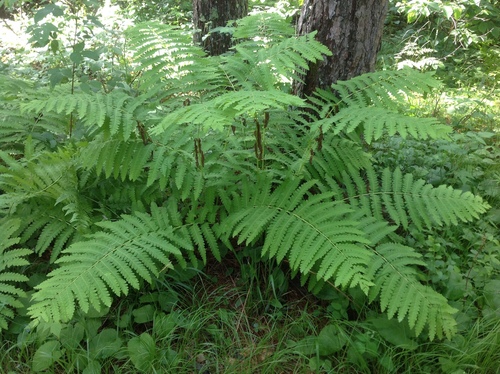
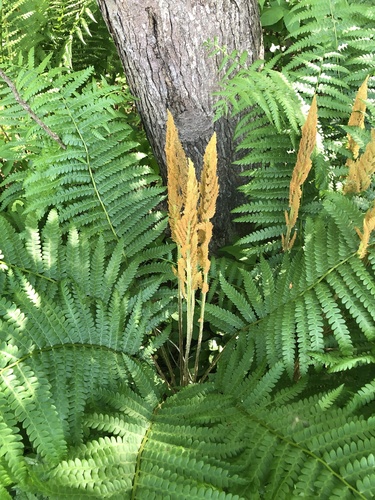
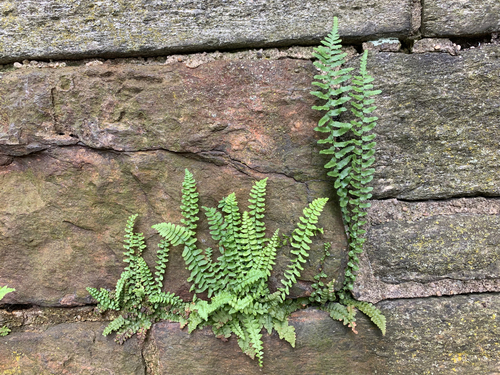
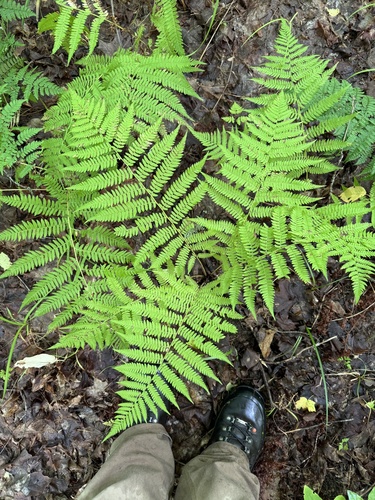
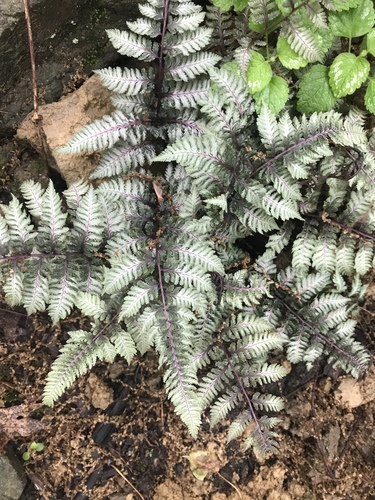
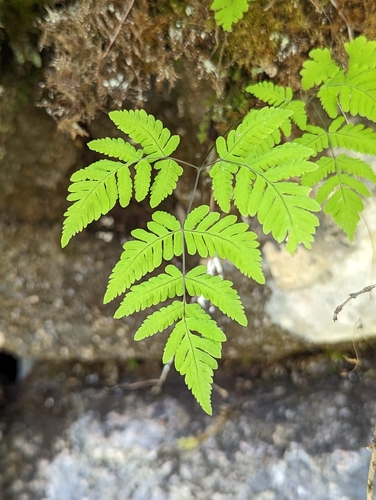
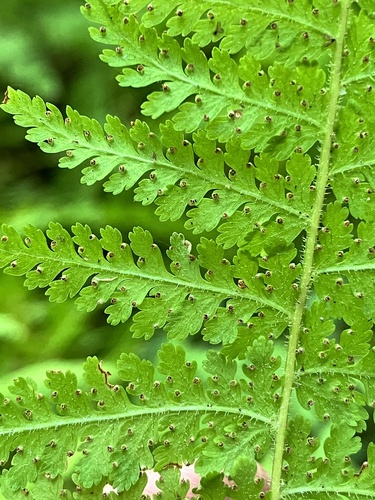
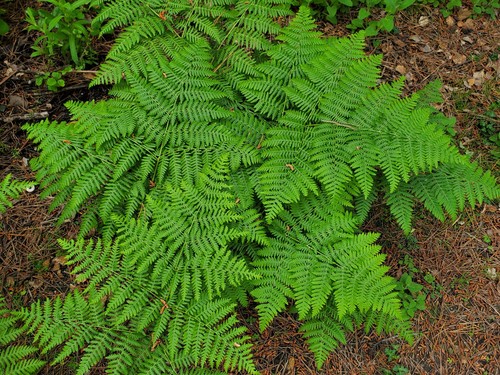
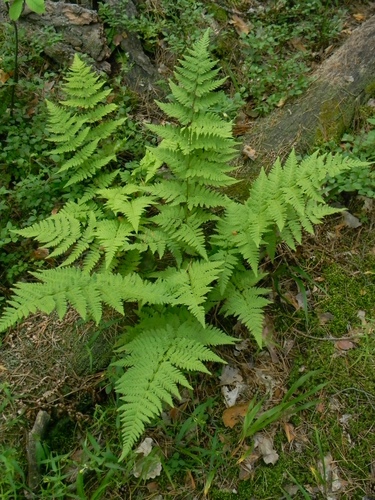
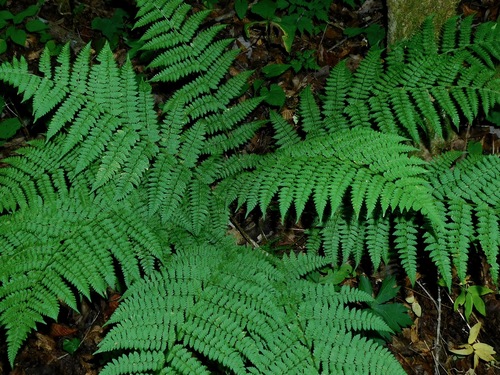
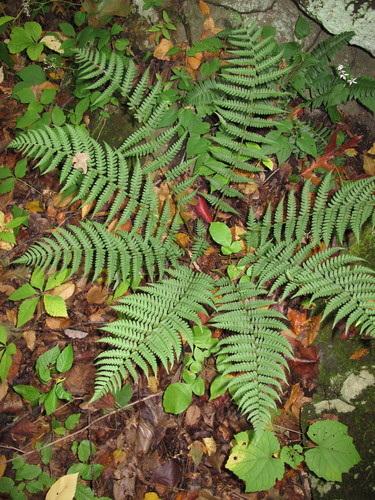
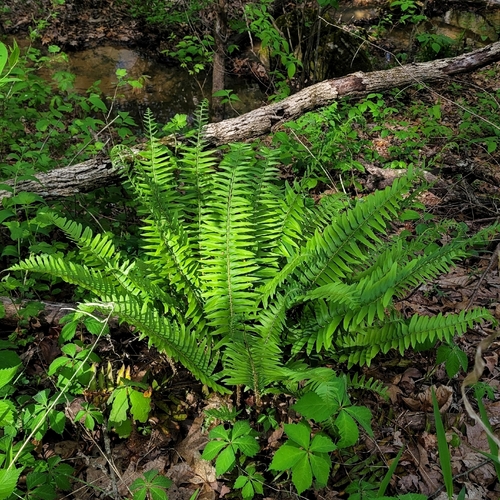
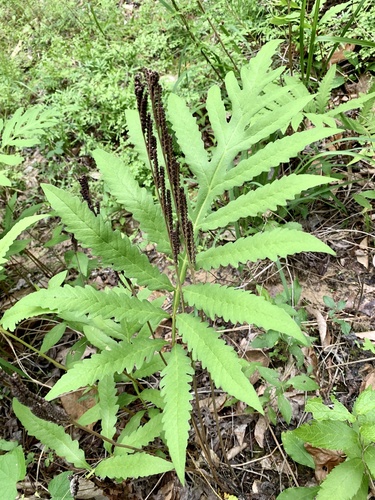
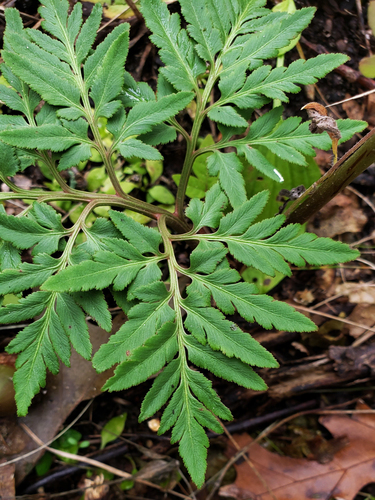
Seedless Vascular Plants · 16 species
Plants with vascular tissue (xylem and phloem) that reproduce by spores rather than seeds. Ferns and horsetails.
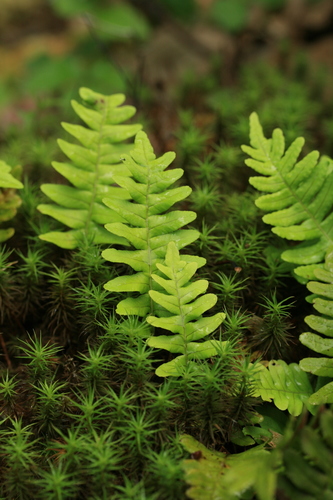
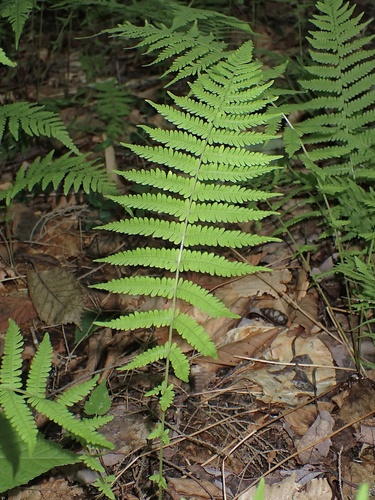
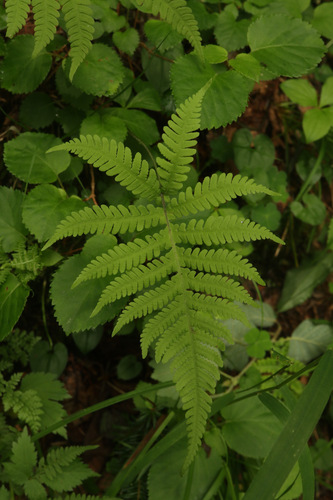
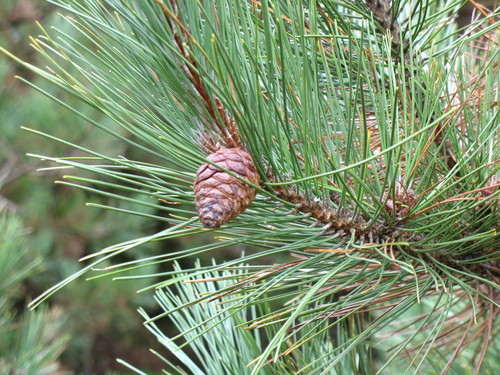
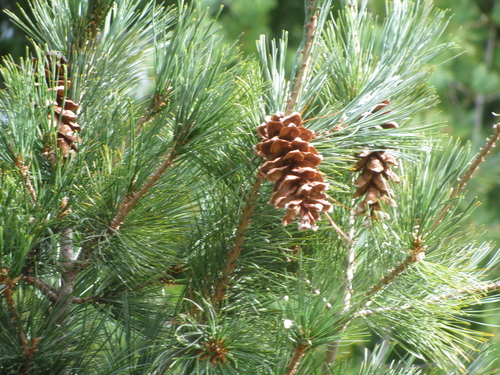
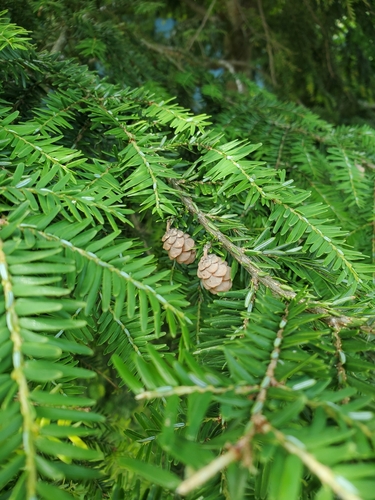
Gymnosperms · 4 species
Non-flowering seed plants with "naked" seeds not enclosed in an ovary. Conifers — pines, hemlocks, redcedar.
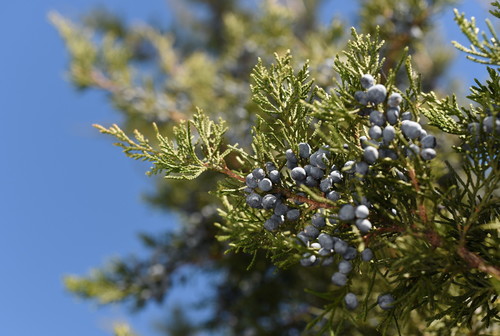
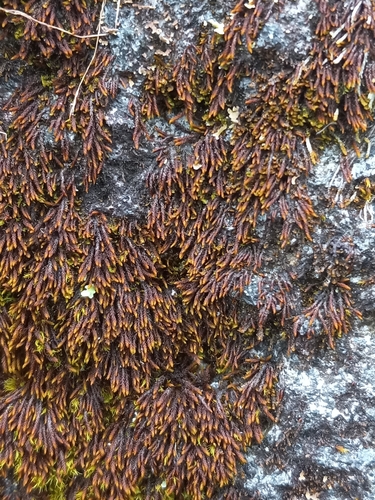
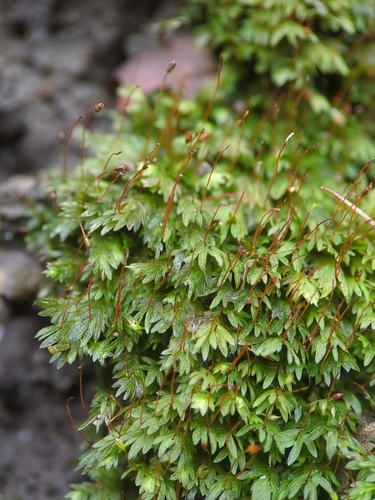
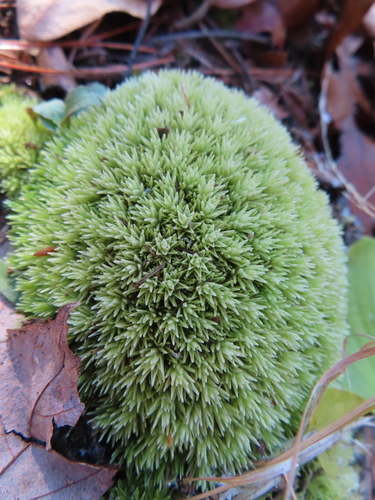
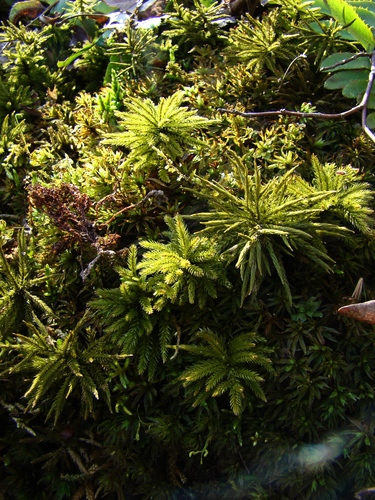
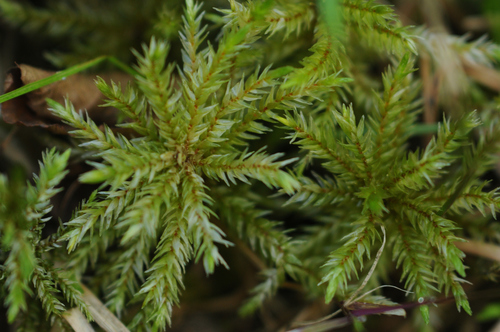
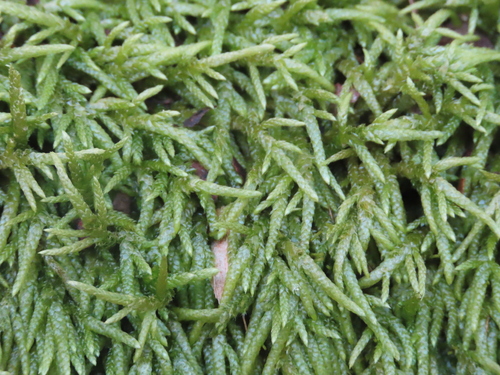
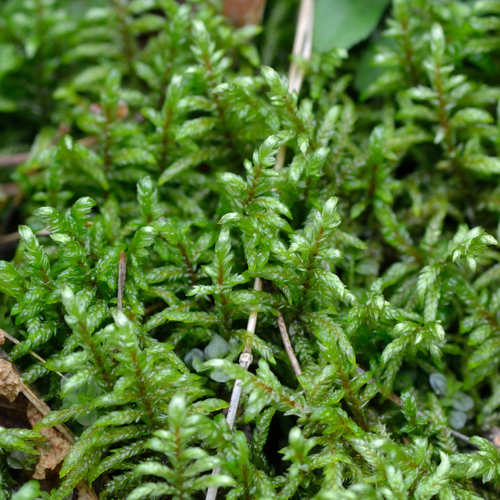
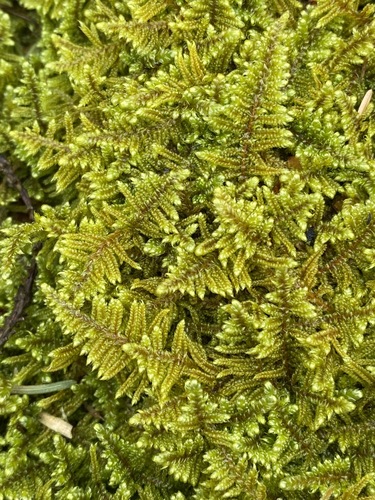
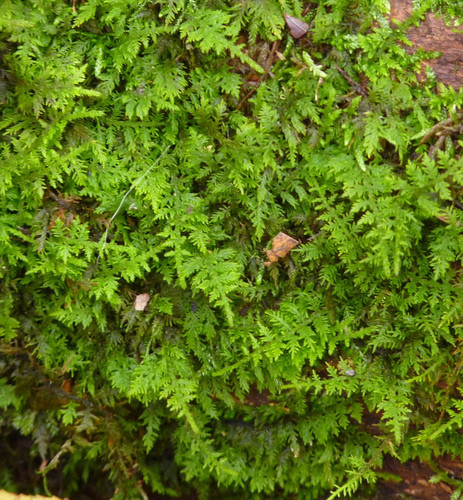
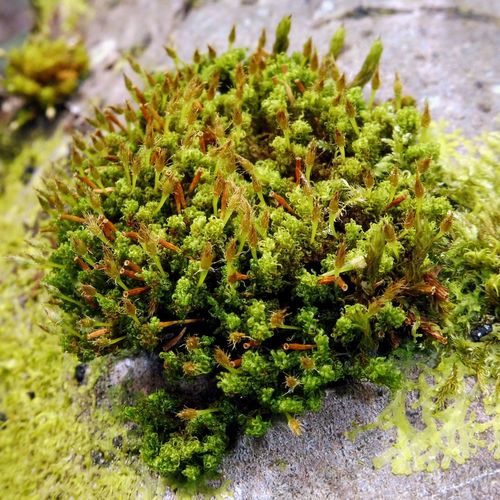
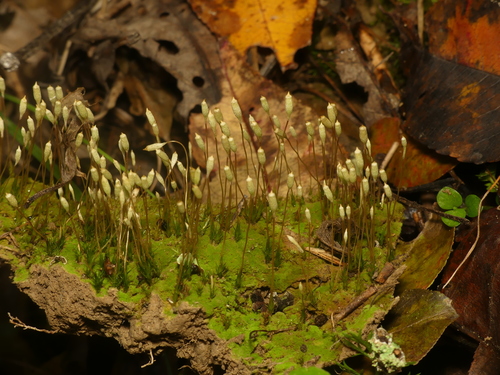
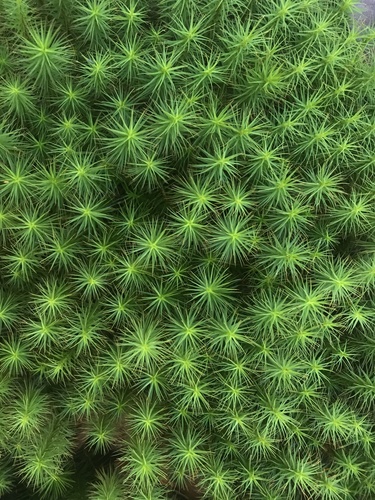
Bryophytes · 12 species
Non-vascular plants — mosses, liverworts, hornworts. No true roots or vascular tissue; absorb water by osmosis and reproduce by spores.
What's Unrecorded?
Plant Gap List
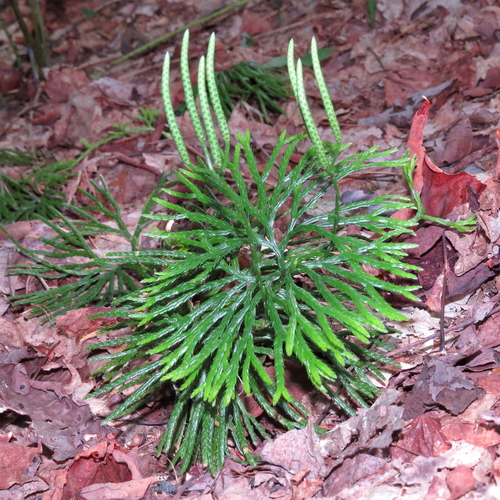
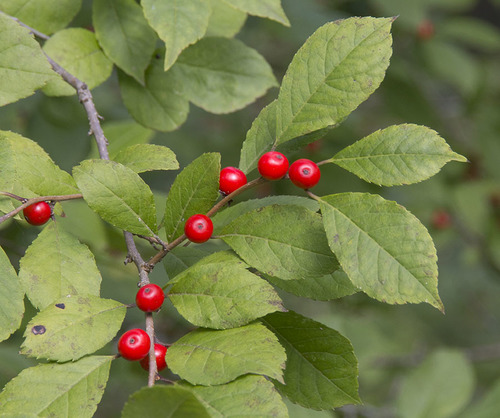
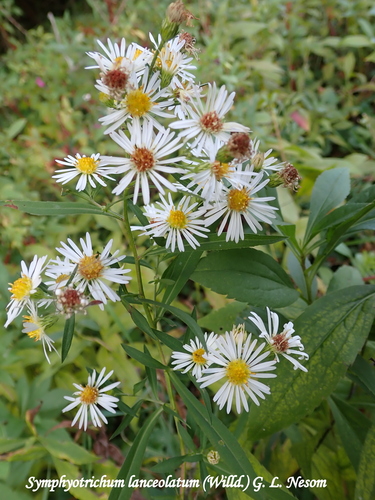
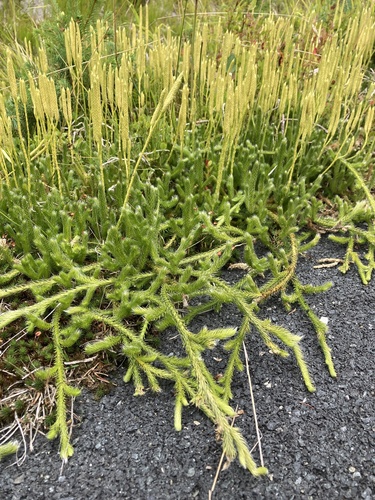
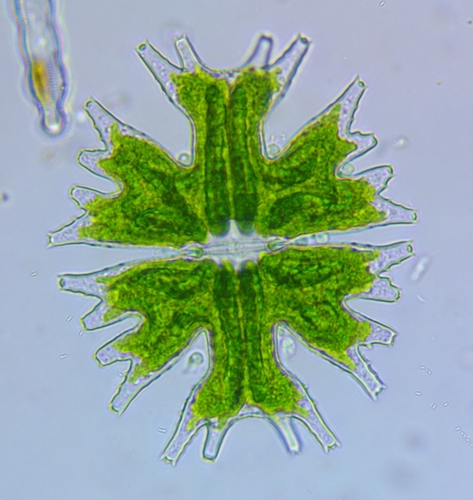
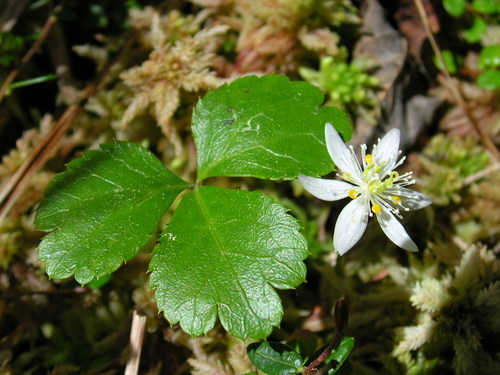
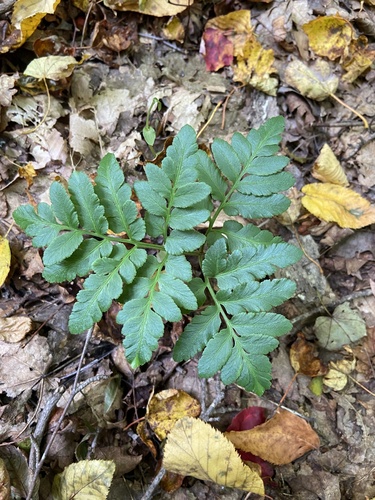
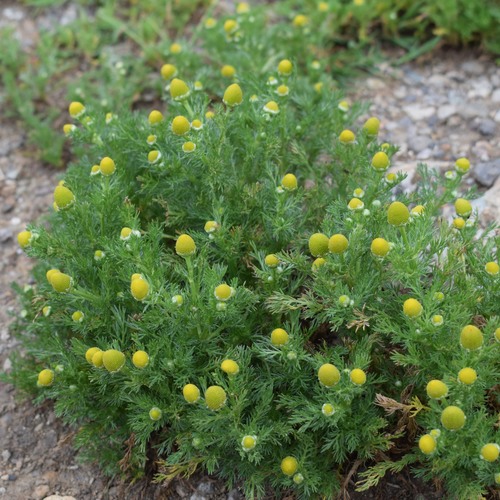
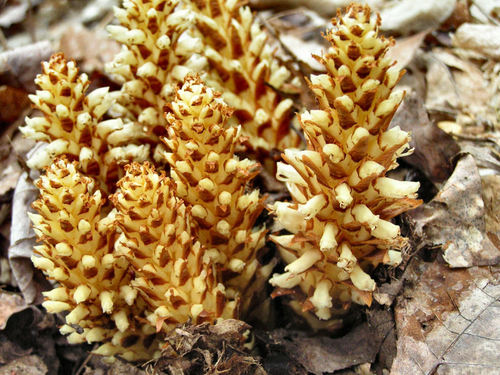
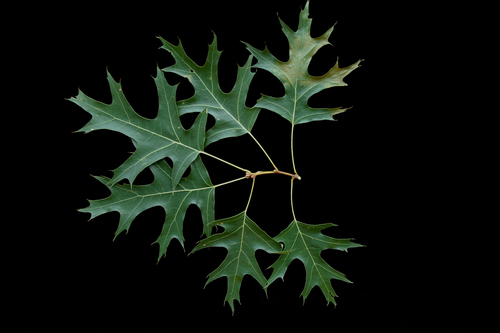
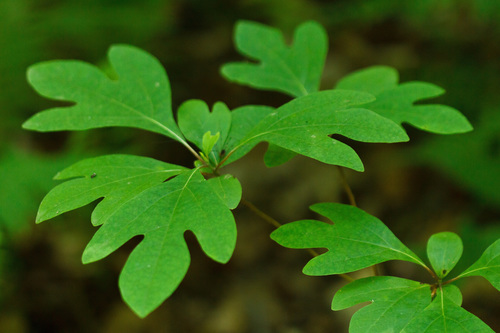
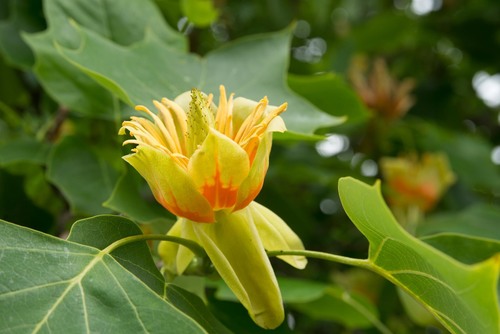
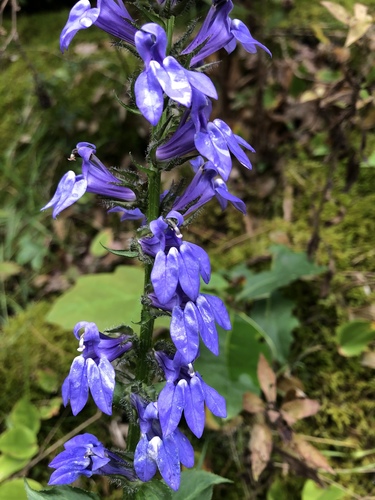
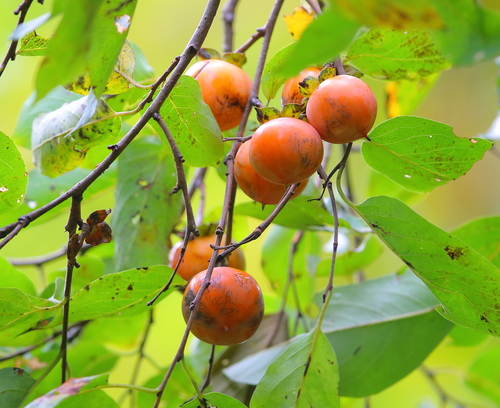
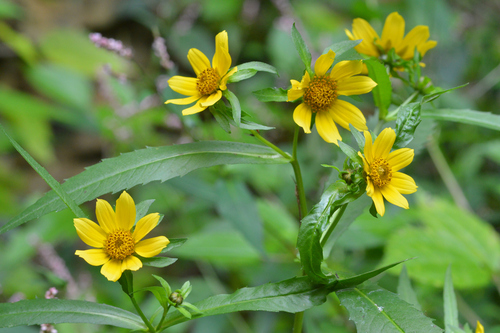
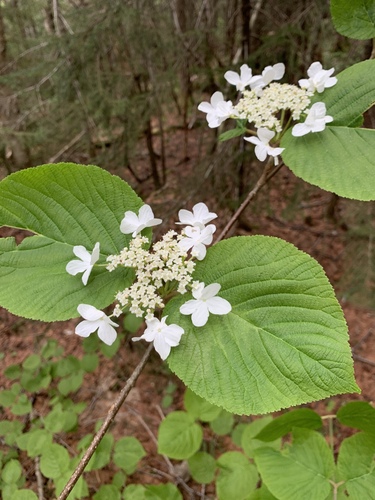
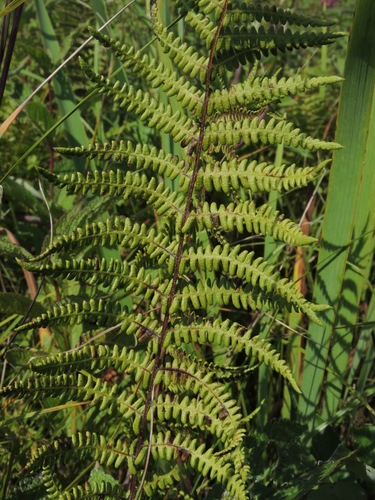
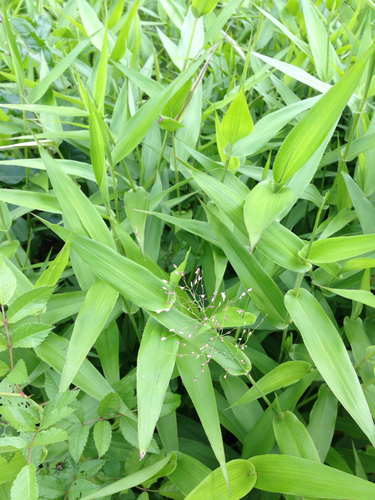
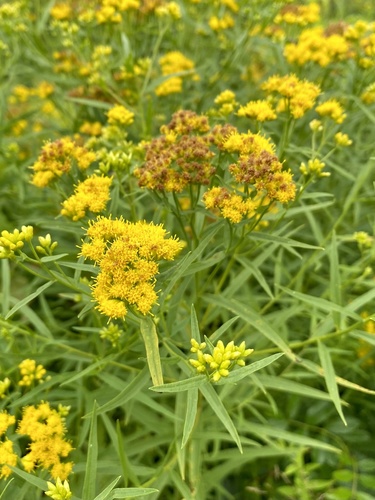
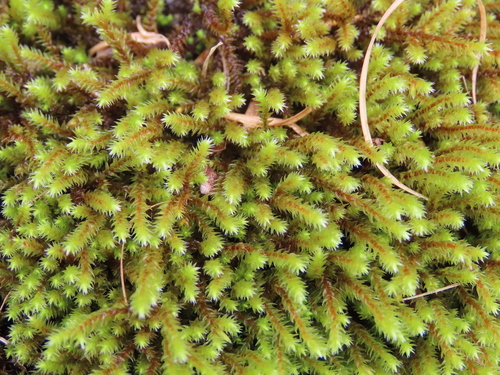
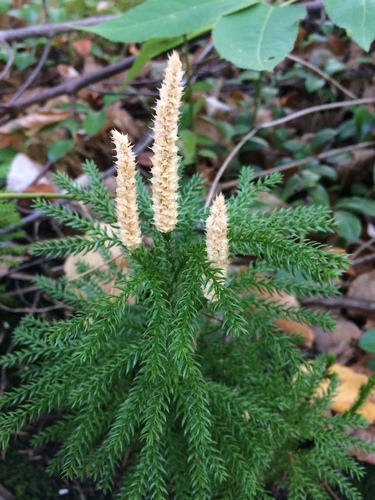
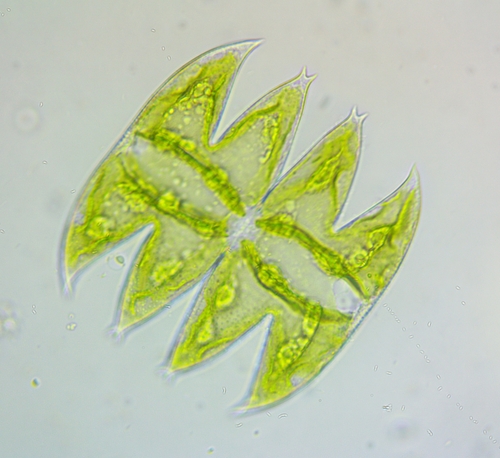
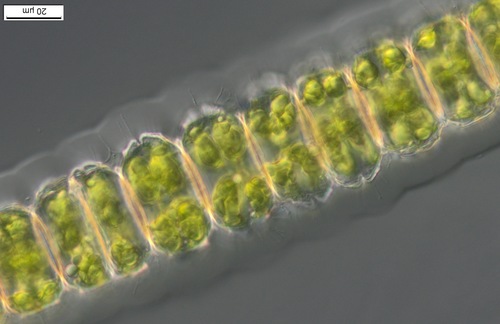
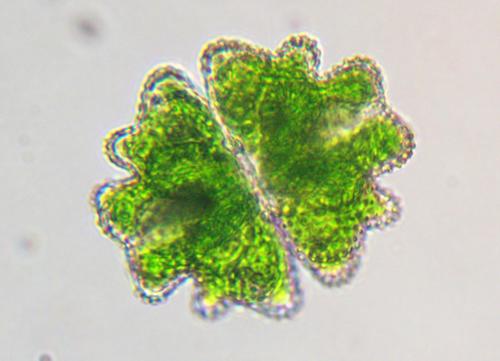
Plants confirmed within ~50 miles but not yet documented at Kingfisher Hollow. Treat this as a field checklist filtered by habitat: spring rich woods, seep and pond edge, acidic upland, creek corridor, and sunny old-field margins.
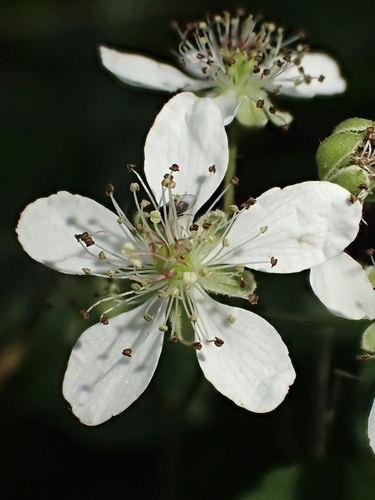
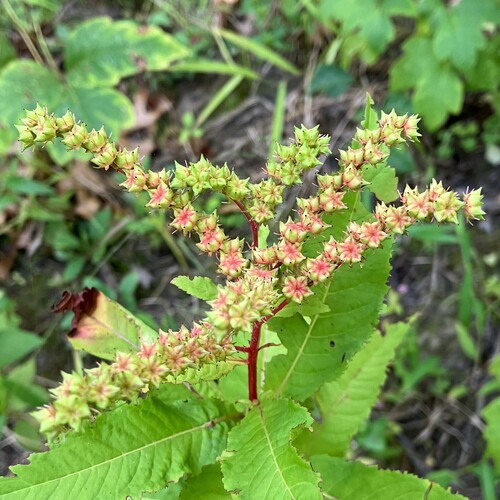
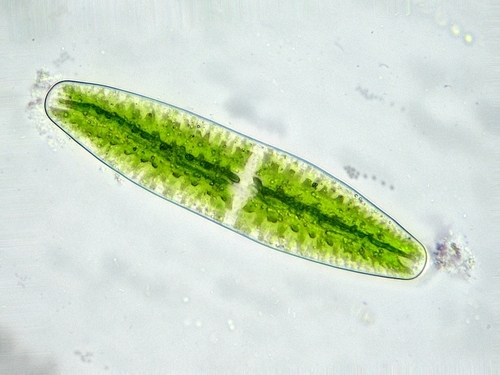
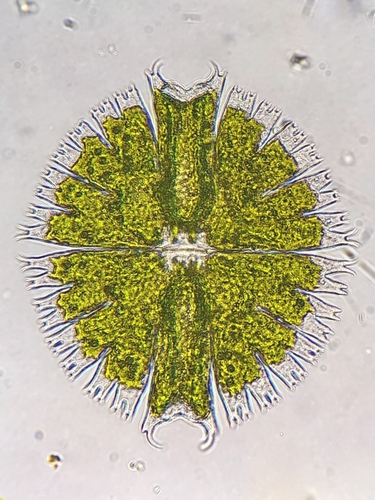
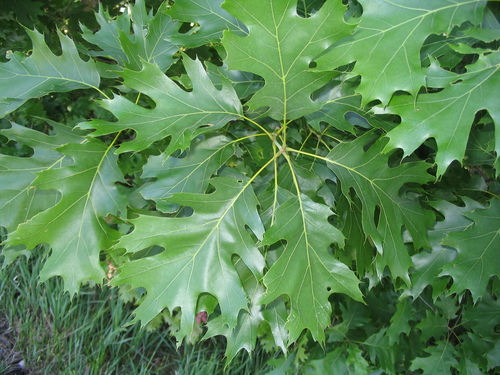
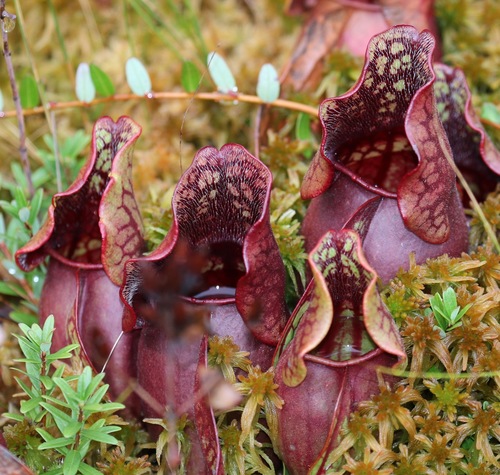
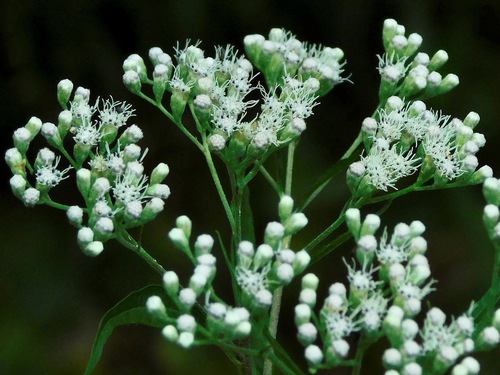
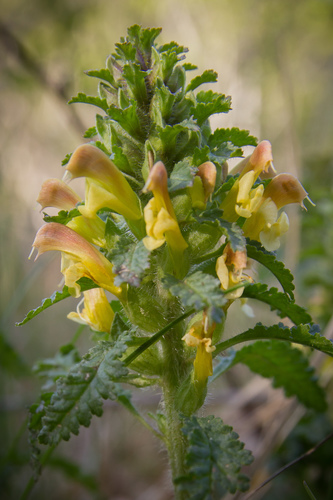
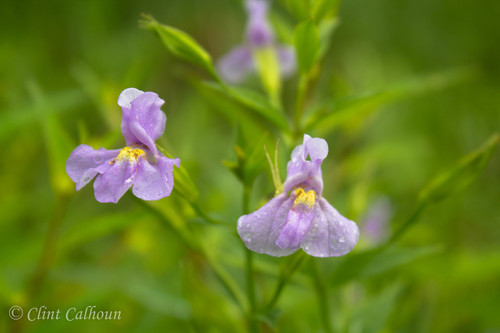
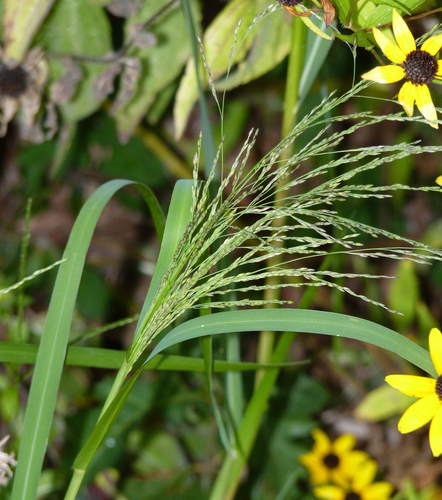
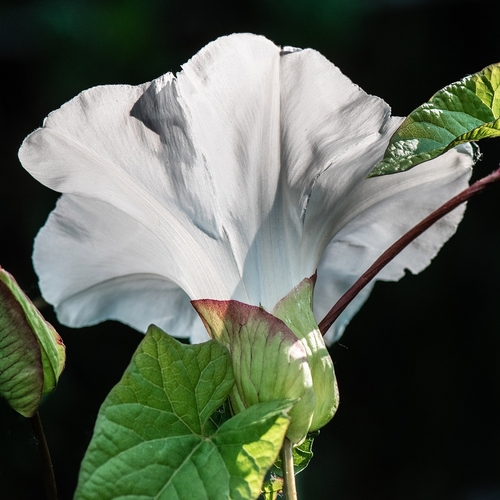
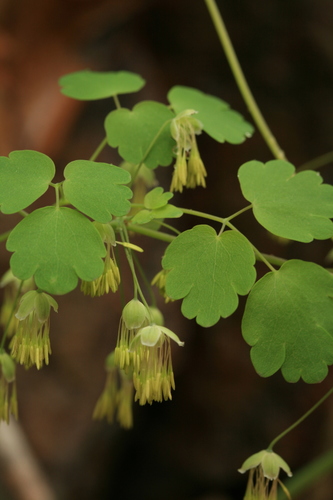
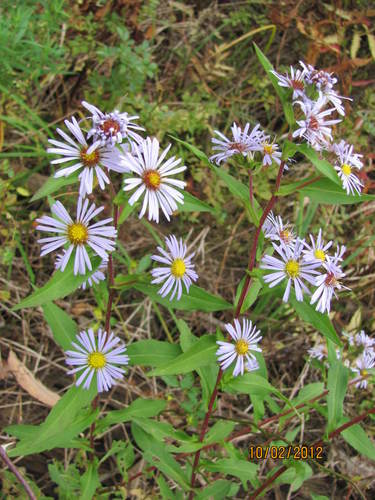
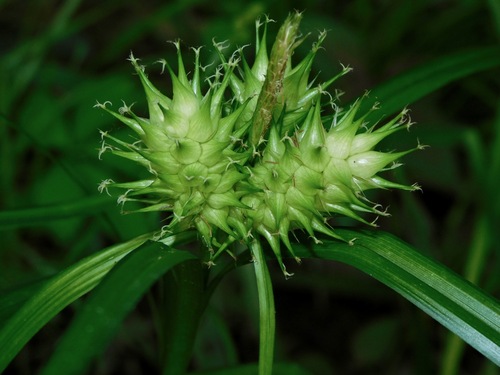
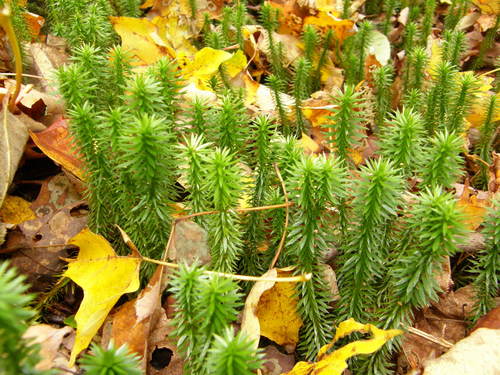
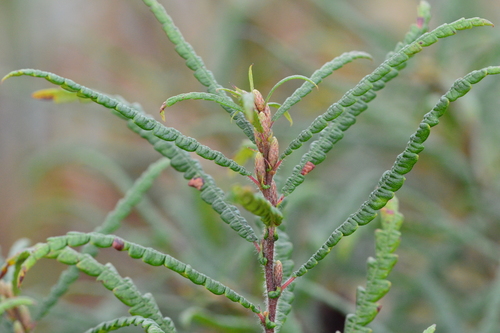
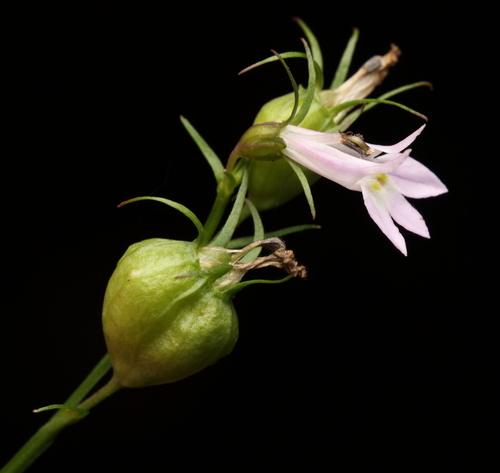
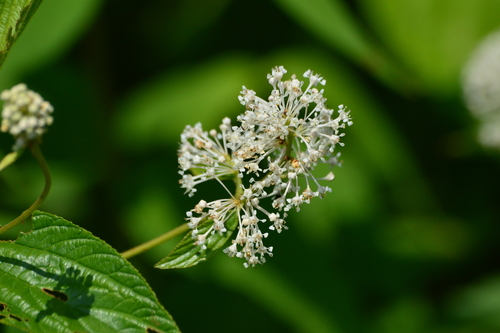
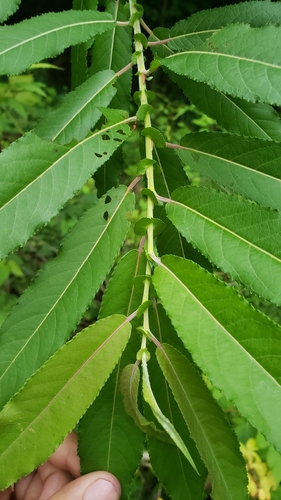
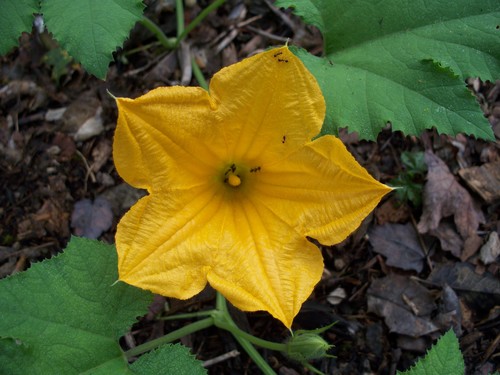
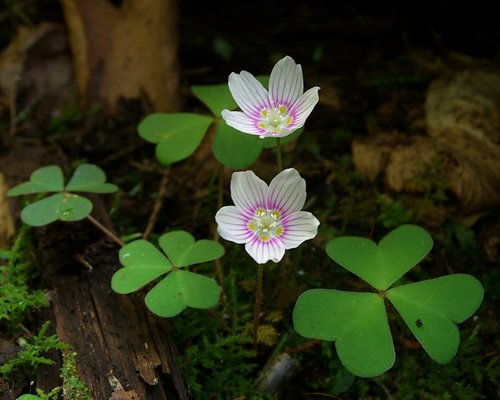
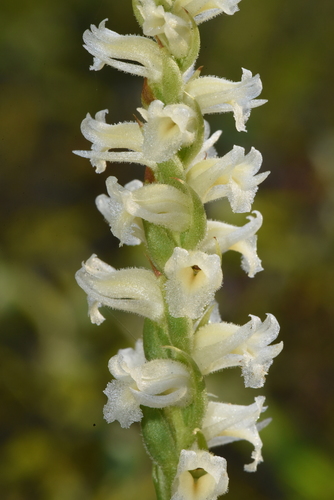
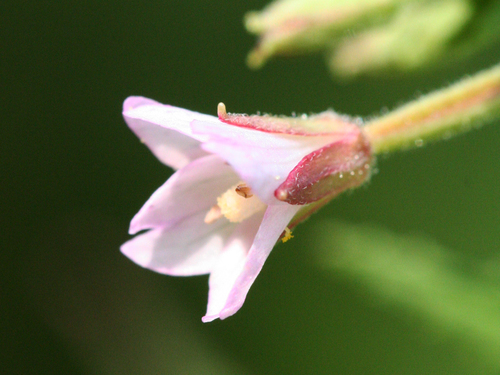
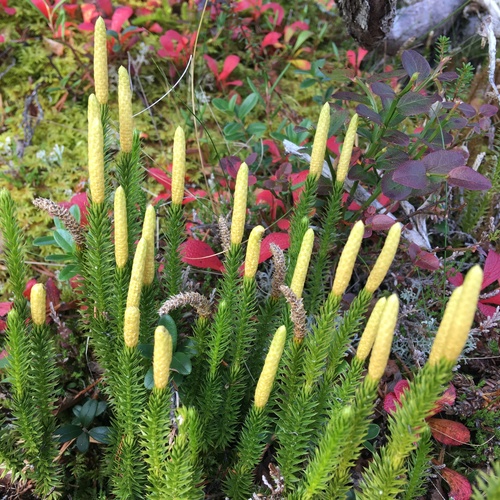
266 of 2758 plant species documented within ~50 miles have been recorded here. This list uses iNaturalist wild records only, excluding observations marked cultivated and taxa listed as introduced in New York. The ~50-mile regional pool includes many habitat types the property doesn't have, so the raw completeness figure understates how thoroughly the property flora is known. The 50 species below are ranked by how often they turn up in county records this month — all plausible finds on a careful walk.

Find More
How to Find More
266 wild/established species, with sedges, willows, grasses, aquatics, late-season composites, and cryptogams still under-sampled. These passes target the gaps when each group is actually identifiable.
Spring ephemeral walk
Mesic slope forest above the creek, especially rich toe-of-slope benches and seep margins with deep, moist leaf litter.
Late March–late April, mid-morning, before the maple-beech canopy leafs out; time it to the first Sanguinaria and Erythronium bloom.
Trillium, Claytonia, Dicentra cucullaria, Cardamine, Anemone, and several Viola — photograph leaf and flower together.
Sedge survey
Active floodplain and gravel bars along the creek, plus wet seeps and the shrub-wetland transition; revisit drier upland edges.
Mid-June through July when perigynia are mature, any time of day.
Streamside Carex (lurida, crinita, stipata, vulpinoidea) and upland sedges; also Scirpus, Glyceria, Sparganium. Two Carex confirmed against 108 in the regional pool — still the property's biggest botanical gap.
Willow inventory
Creek banks, point bars, and the riparian shrub fringe alongside Alnus and Cornus.
April for catkins (sex and bloom timing), then June–July for mature leaves; midday for good underside lighting.
Salix — one species confirmed (shining willow) against ~26 in the pool; likely eriocephala, sericea, nigra, discolor still unrecorded. Note leaf shape, underside, stipules, catkin timing.
Late-composite pass
Sunny upland edges, the old-field/shrub transition, and the open floodplain margin.
Late August into September at peak bloom, midday — Solidago and aster ID needs open flower heads.
Additional Solidago and asters beyond those recorded, plus Eutrochium variants. Photograph basal and stem leaves separately.
Lichen & bryophyte transect
Shaded streamside boulders, splash-zone bedrock, decaying floodplain logs, and the bases of mature slope-forest trees.
Late autumn through early spring, or any damp overcast day when thalli are hydrated; low-angle light.
Crustose and foliose lichens and additional bryophytes and liverworts — a near-blank group with only a few mosses recorded.
Vine & bramble pass
Forest edges, fence lines, blowdown gaps, and the shrub-wetland transition where light reaches the understory.
July for Rubus fruit and Vitis leaves; September for ripe vine fruit and seed.
Celastrus (native vs. invasive), more Vitis and Parthenocissus, Toxicodendron, Menispermum, and unrecorded Rubus by armature and leaflet.