Warm-blooded
The Mammals
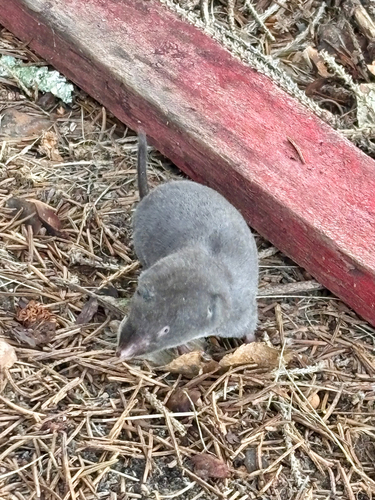
The mammal list is detection-limited. Trail cameras and incidental sign show the mid-sized corridor users well, while bats, shrews, voles, mice, moles, and semi-aquatic mammals need targeted methods. Warm-season nights suit bat acoustics over Michigan Creek; wet forest edges, culverts, and log crossings are better places to look for overlooked small mammals and sign of otter, skunk, or porcupine.
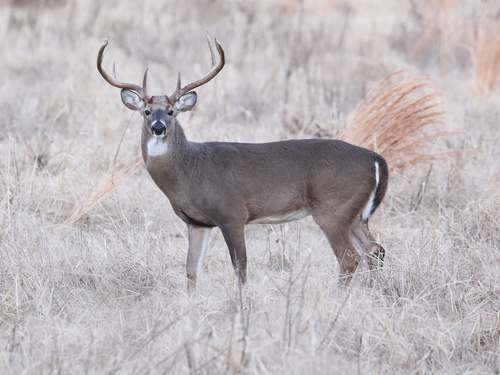
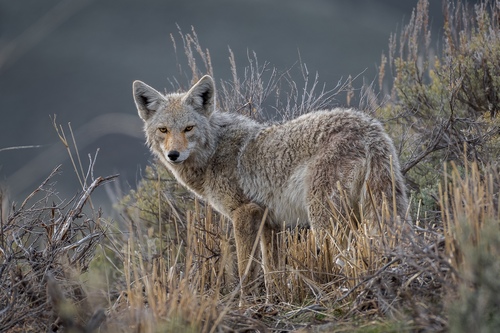
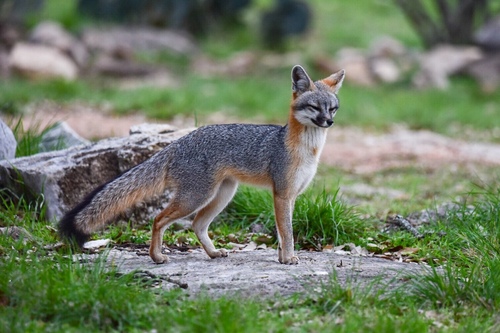
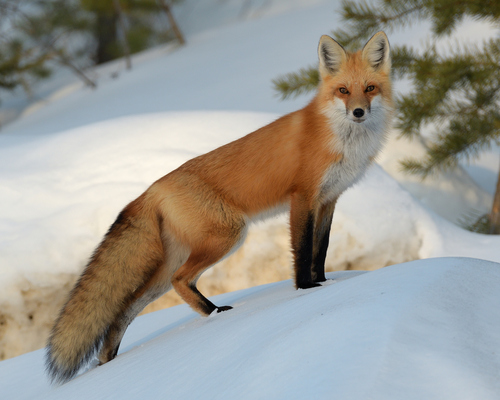
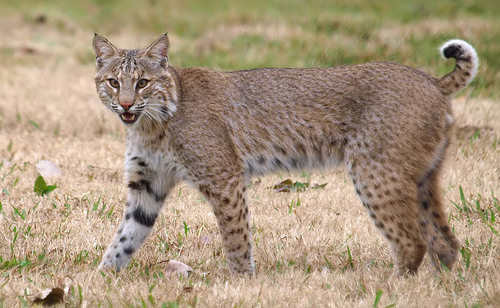
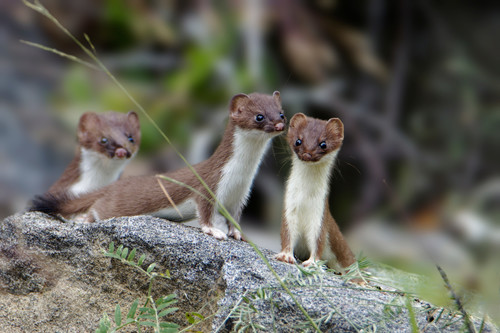
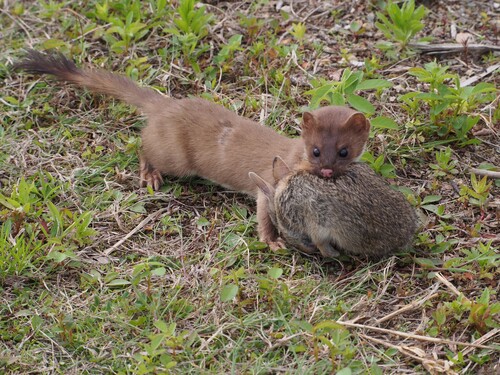
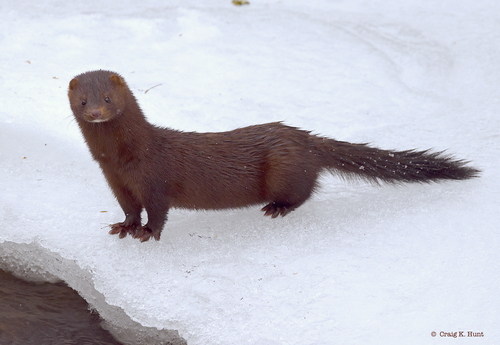
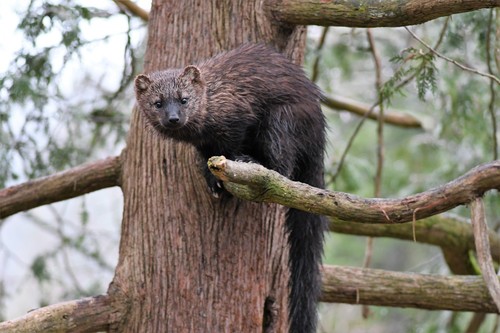
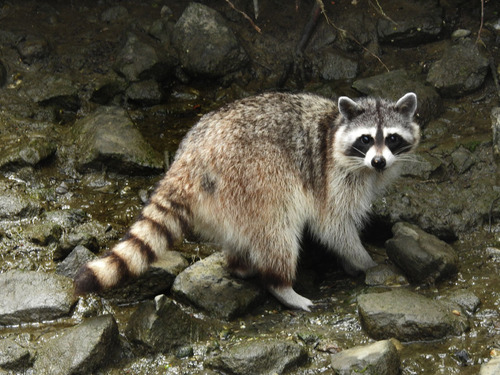
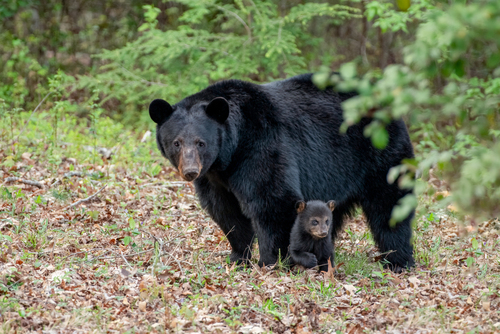
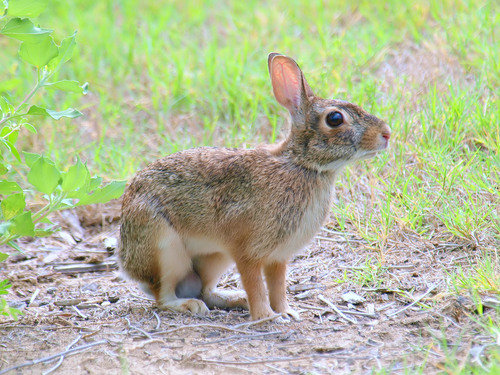
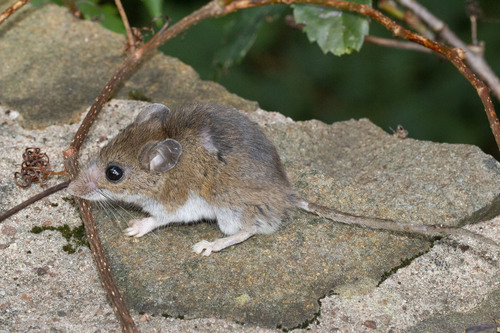
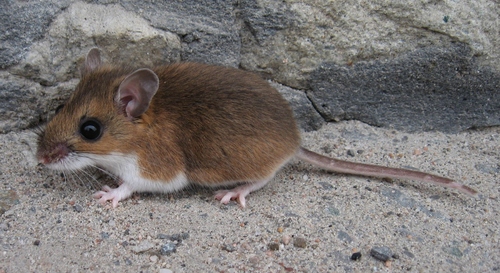
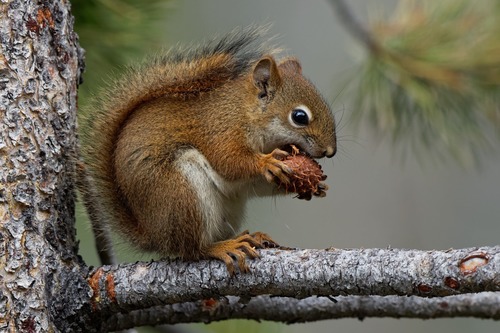
What stands out in 22 species is the carnivore set: ten species on 30 acres, including four mustelids (fisher, mink, long-tailed weasel, and ermine), both foxes, raccoon, black bear, coyote, and bobcat. The records fit Michigan Creek as a travel and foraging corridor: mink follows the water, while fisher, foxes, coyotes, bobcats, bears, and raccoons move through the forested valley. Eastern cottontail remains the newest addition, first recorded June 15. Eastern woodland jumping mouse adds an uncommon moist-forest record and remains sparsely documented across Tioga County.

Who's Missing?
Mammal Gap List
Mammals confirmed within ~50 miles but not yet recorded at Kingfisher Hollow. The useful targets are not the most photographed regional mammals; they're the ones that fit the creek corridor, wet margins, forest floor, and night sky.
22 of 44 mammal species documented within ~50 miles have been recorded here. The 1 species below have county or regional records for this time of year and pass a vetted local-fauna screen. Domestic animals, zoo-only taxa, and exotic pets are excluded.
Find More
How to Find More
22 species, with no bat yet confirmed. These methods target the guilds a trail camera misses: acoustic fliers over the creek, small mammals in leaf litter, and semi-aquatic mammals moving through culverts, riffles, and log crossings.
Acoustic bat survey
Over the open creek channel in a canopy gap where bats funnel and forage; an AudioMoth or Echo Meter on a tripod 1–2 m above the bank, mic down the channel.
Late May–early September, warm (>50°F) calm nights; record from 30 min before sunset through midnight, peak in the first two hours after dusk.
The property's first bats: Big Brown, Eastern Red, Little Brown, Tri-colored, Silver-haired, Hoary; possibly Northern Long-eared near big snags.
Sherman live trapping
A transect of 8–12 baited traps along the creek bank and wetland-edge transition, set at runways under root tangles, logs, and the slope base.
May–October; set at dusk, check at dawn, run 2–3 consecutive nights. Add bedding on cold nights.
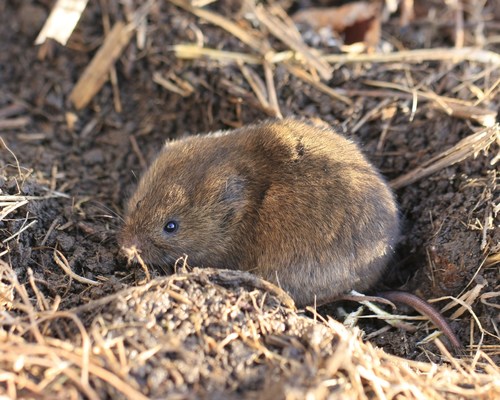
Small-mammal gaps: meadow, red-backed and woodland voles, meadow jumping mouse, and additional Peromyscus.
Pitfall array
Wet riparian margin and seep edges between wetland and slope forest; buried cups along a low drift-fence through saturated leaf litter.
May–October, run continuously 3–5 nights with daily morning checks; most productive in damp spells.
Shrews and moles that evade Sherman traps: masked, smoky and pygmy shrews, star-nosed and hairy-tailed moles.
Water-crossing camera
A narrow ford, culvert, or log spanning the creek, plus any latrine boulder or muddy bank slide; camera mounted low, aimed at the crossing.
Year-round, left 4–8 weeks. Winter adds snow-track confirmation; otter and mink work ice edges and open leads.
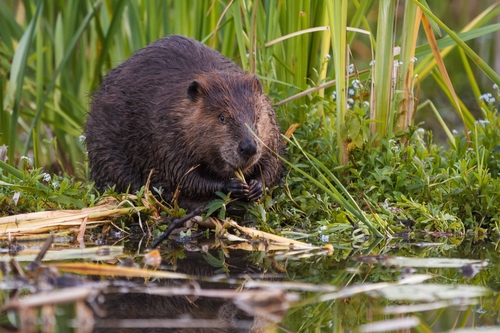
River Otter and Muskrat at slow-water sections; also documents mink and beaver activity.
Cavity-tree night camera
Large-diameter snags and cavity trees on the mesic slope; camera or nest box facing a suet station or cavity entrance 2–4 m up.
Year-round, peak autumn–winter; cameras run on motion through the night, 1–2 hours after full dark.
Southern (and possibly Northern) Flying Squirrel; also Northern Long-eared Bat roost emergence and porcupine.
Travel-corridor cameras
Stone walls, brush piles, and the forested corridor connecting to nearby Tioga State Forest; pinch points and slope-base game trails.
Year-round; winter snow improves track confirmation for weasels and skunk; 6–8 weeks per station.
Striped Skunk, Porcupine, Eastern Cottontail, possible Least Weasel and additional carnivore corridor records.